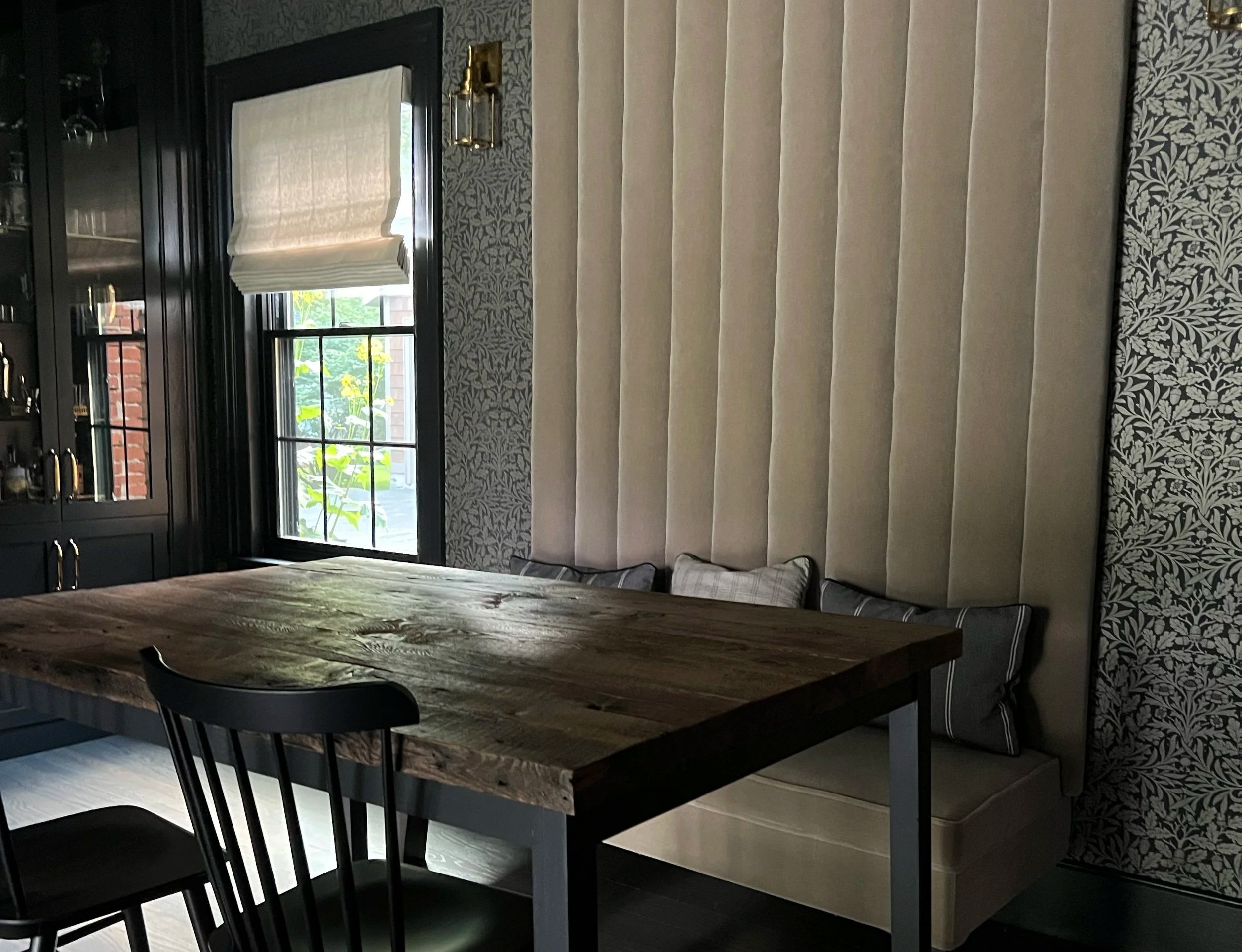
Preparing for a Restorative Renovation
Renovating a historic home isn’t for the faint of heart but it is one of the most rewarding journeys in construction.
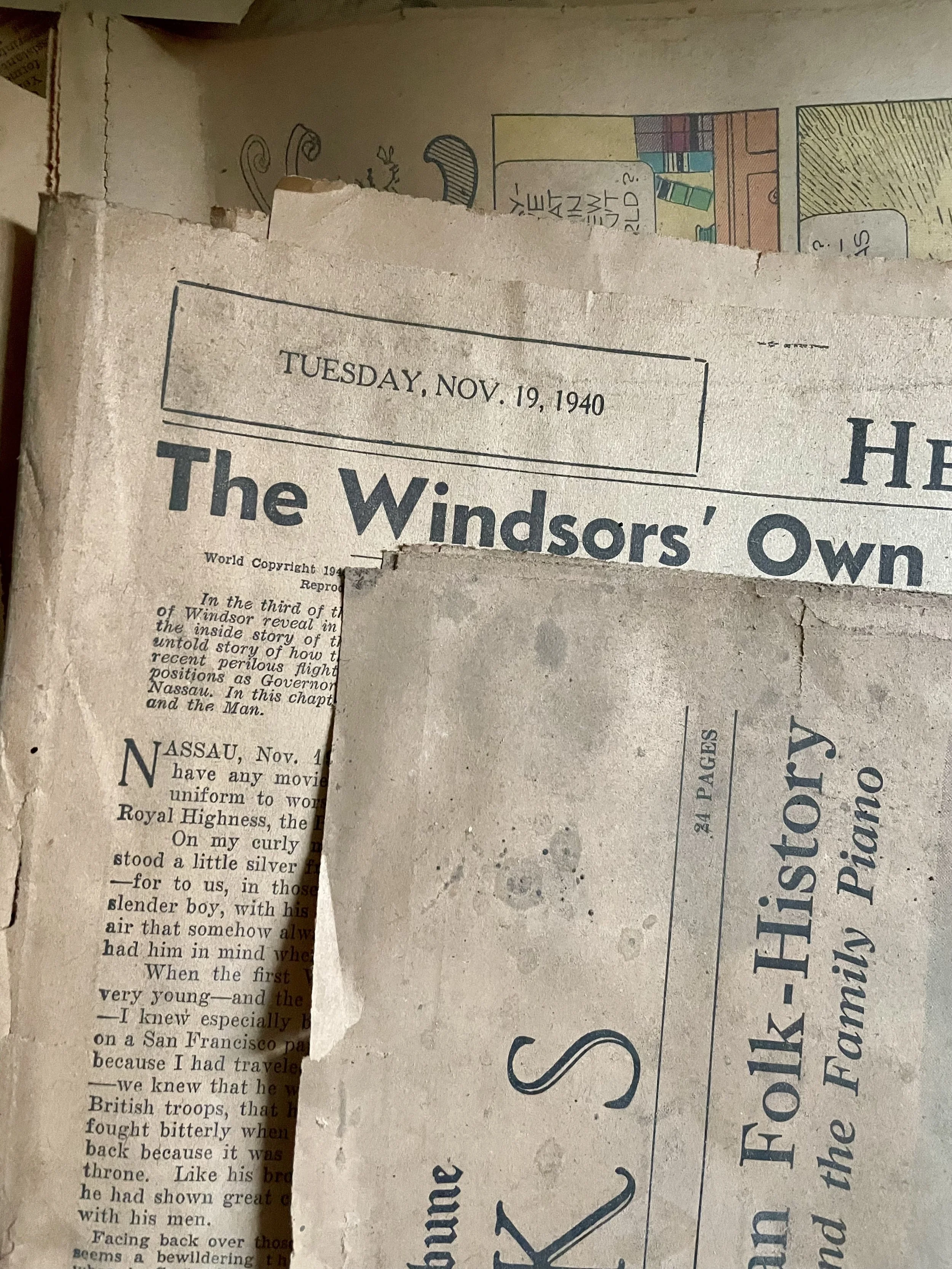
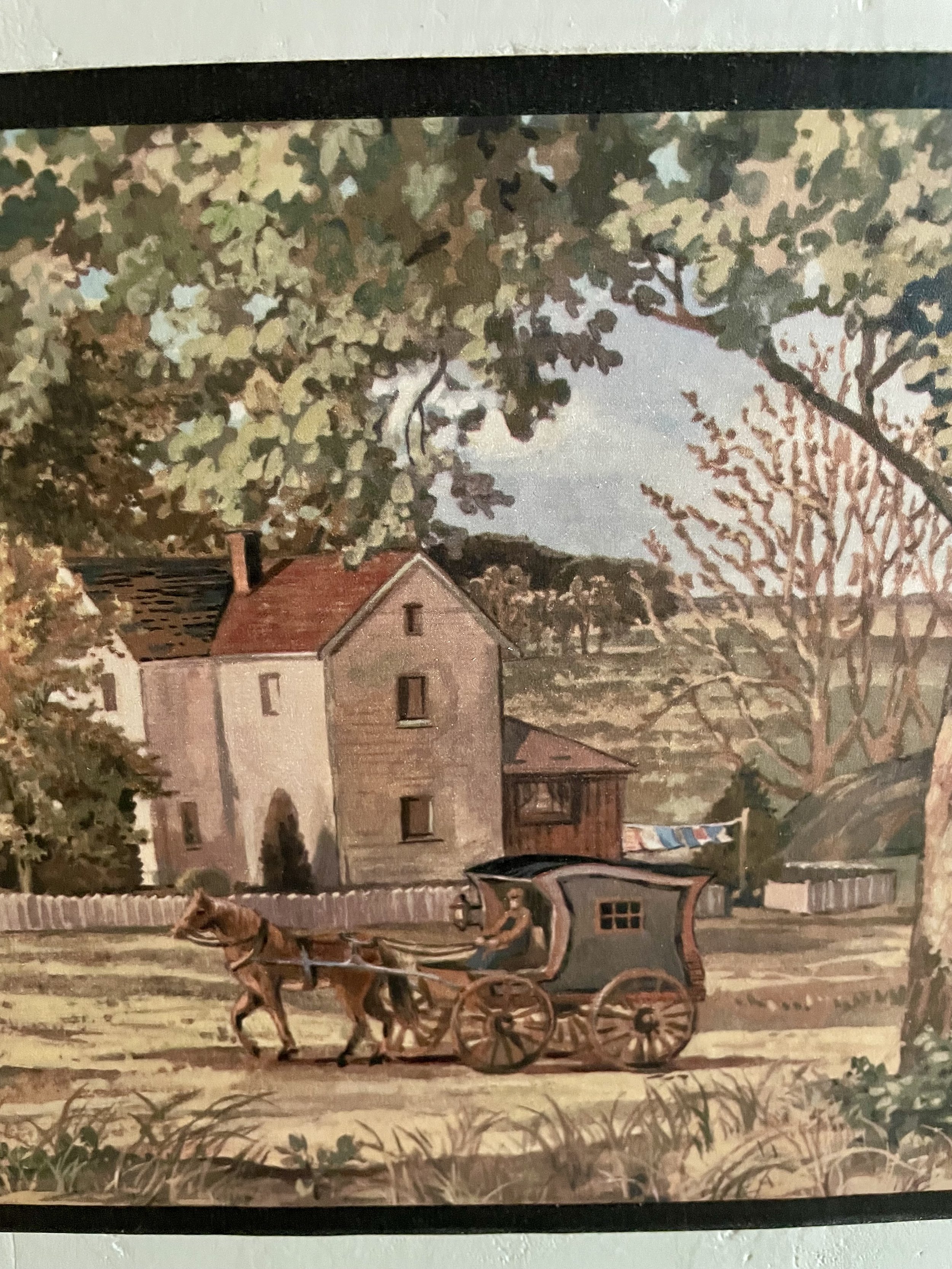
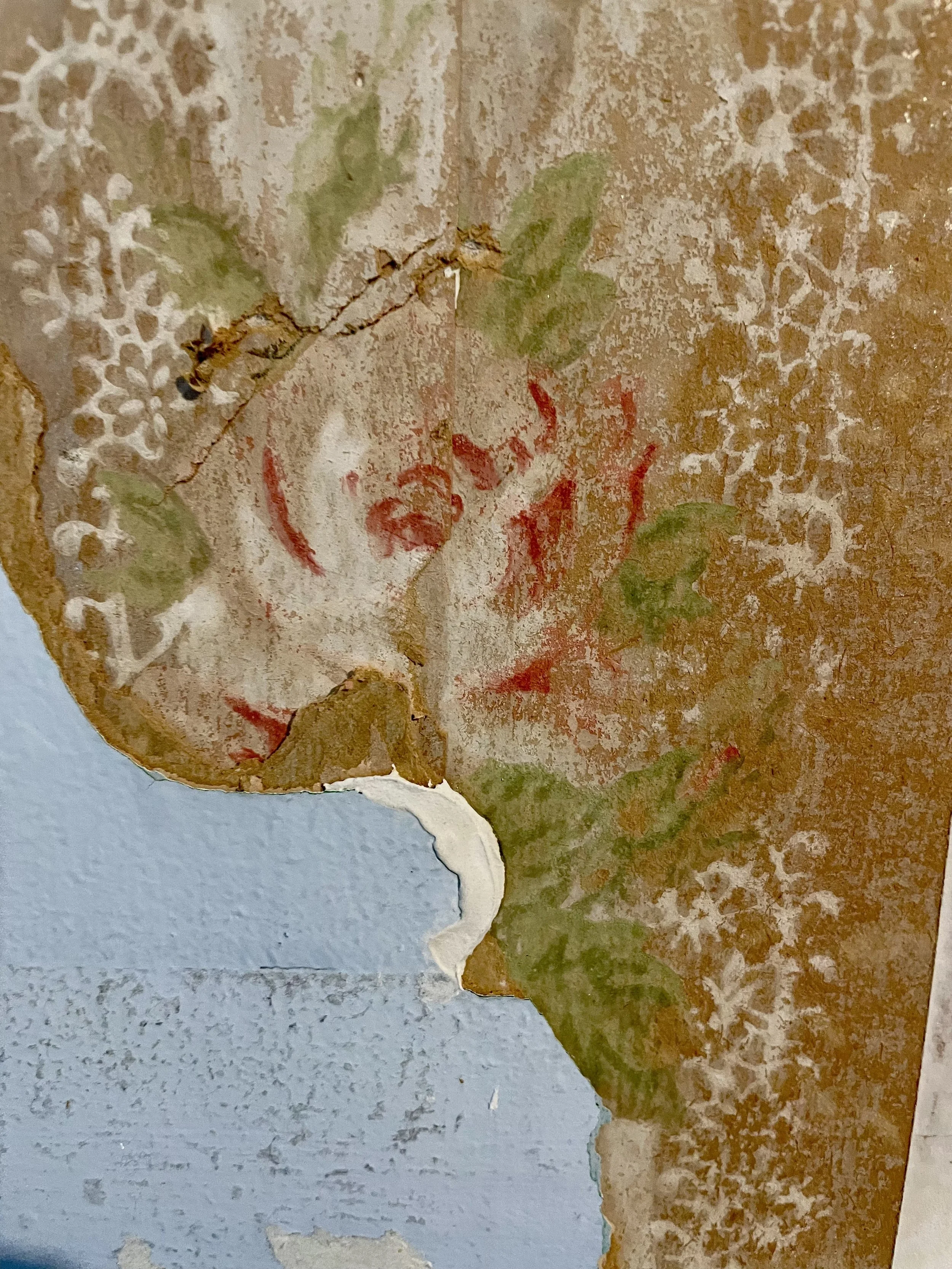
There’s a kind of reverence in the air when the walls begin to open, revealing timber bones and traces of the lives once lived inside. Every board, nail, and fragment of plaster holds a story. Sometimes it’s a letter; torn into pieces, tucked back into its envelope, and hidden within the wall as if to seal away a moment in time. Other times it’s a yellowed newspaper dated November 19, 1940, or a faded postcard from 1972 slipped behind a baseboard. Each discovery reminds us that restoration is about more than rebuilding walls; it’s about continuing a legacy.
For those drawn to the idea of preserving a home that has already stood for a century or two, preparation is everything. Because while history offers romance, restoration offers reality and the best way to prepare is to expect the unexpected.
Preparing for the Expectedly Unexpected
No matter how detailed the plan, every historic renovation comes with surprises. Lead-based paint, asbestos-containing materials, uneven framing, or hidden structural deficiencies; they’re all part of the adventure.
Before beginning, it’s important to ask not only “Can we afford this?” but “Are we ready for the emotional and logistical roller-coaster that comes with it?”
Even the most meticulous planning can’t account for everything. Discoveries behind the walls can shift design decisions, budgets, and project timelines. The unknown is what makes this work exciting — and what demands a team equipped to navigate it calmly and creatively.
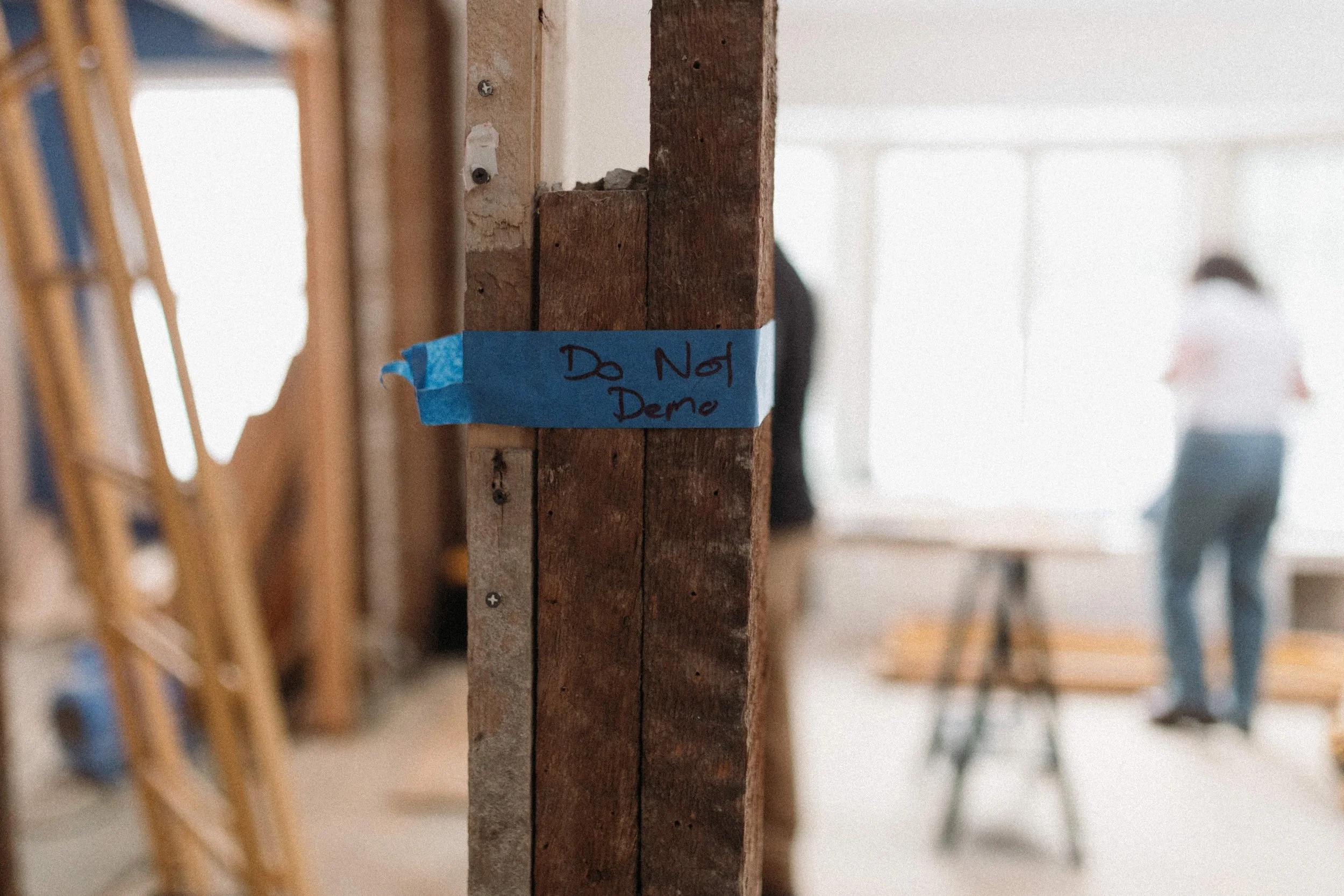
When the Timeline Shifts
Historic restoration doesn’t follow a linear path. Asbestos abatement contractors might be booked for weeks. Structural engineers may need time to design reinforcement details. Or, after opening a wall, you might discover that someone a century ago decided headers were optional.
That’s why we build strategic downtime into every schedule; time intended to shield the project from inevitable disruptions. It’s not wasted time; it’s contingency planning. Our clients often laugh when we say we’re “overly communicative,” but transparency is how we prevent surprises from turning into stress.
Delays will happen, but if everyone on the team understands the process and trusts the plan, the project stays on track even when the path isn’t straight.
Planning for Budget Flexibility
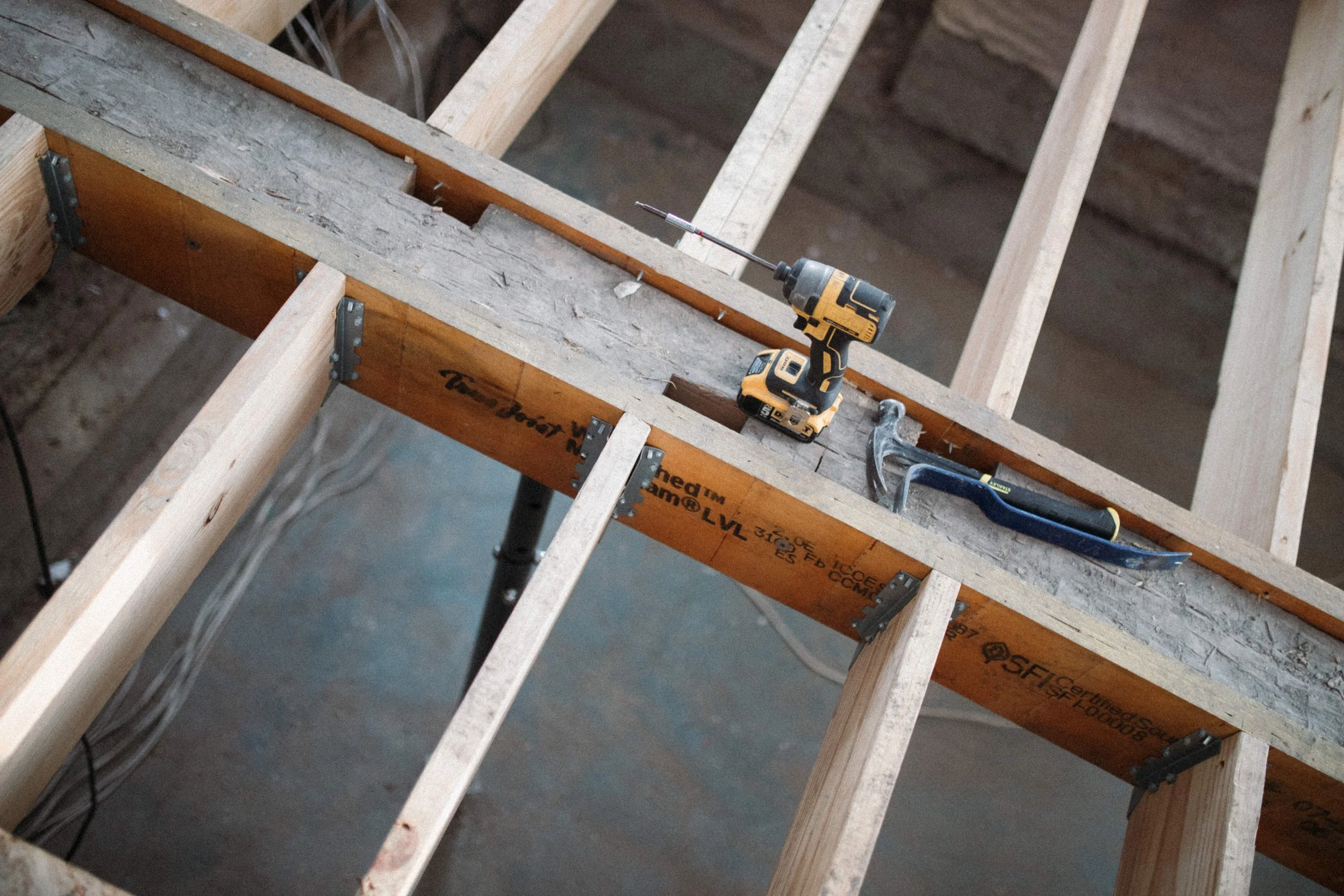
Restoration budgets are living things. No matter how carefully estimated, they need room to breathe. A section of flooring that needs reframing might add $20,000–$40,000 to the cost. A hidden beam compromised by rot could trigger design changes and additional engineering.
The key question isn’t “Will something change?” but “How will we adapt when it does?”
Some clients choose to expand the budget. Others re-prioritize finishes or phasing. Either approach works — what matters is understanding that flexibility is a feature, not a flaw, of thoughtful restoration.
Building the Right Team: Why Collaboration Is Everything
A restorative renovation is never a solo act. It’s a collaboration among builder, architect, engineer, and designer; each bringing expertise that ensures both beauty and longevity.
Architects
For homes built before modern codes or building science existed, an architect’s role is invaluable. They translate history into drawings that respect the original proportions while meeting today’s safety and energy standards. That 1820s roof won’t accommodate modern insulation depths, and the framing may require creative engineering to achieve proper ventilation and moisture control. A preservation-minded architect ensures every intervention honors both physics and aesthetics.
Structural Engineers
In historic homes, you’ll often find decades of well intentioned but questionable modifications. Missing load paths, undersized joists, and long-since-settled foundations are all common. A structural engineer experienced with preservation work understands how to integrate new supports into old frameworks; reinforcing, not replacing, history. Their calculations keep these homes standing for centuries to come.
Interior Designers
Design isn’t just about finishes — it’s about how a home functions. A skilled designer anticipates how the space will live. They notice when the shower tucked under a sloped ceiling might not suit a tall homeowner, or how a once-dark parlor could become a warm, inviting study with the right palette. Most importantly, they help homeowners articulate what they can’t quite visualize, turning intuition into design intent.
Together, this team transforms what could be chaos into cohesion — ensuring that every decision supports the home’s story and structure.
Lived Authority: Lessons from Experience
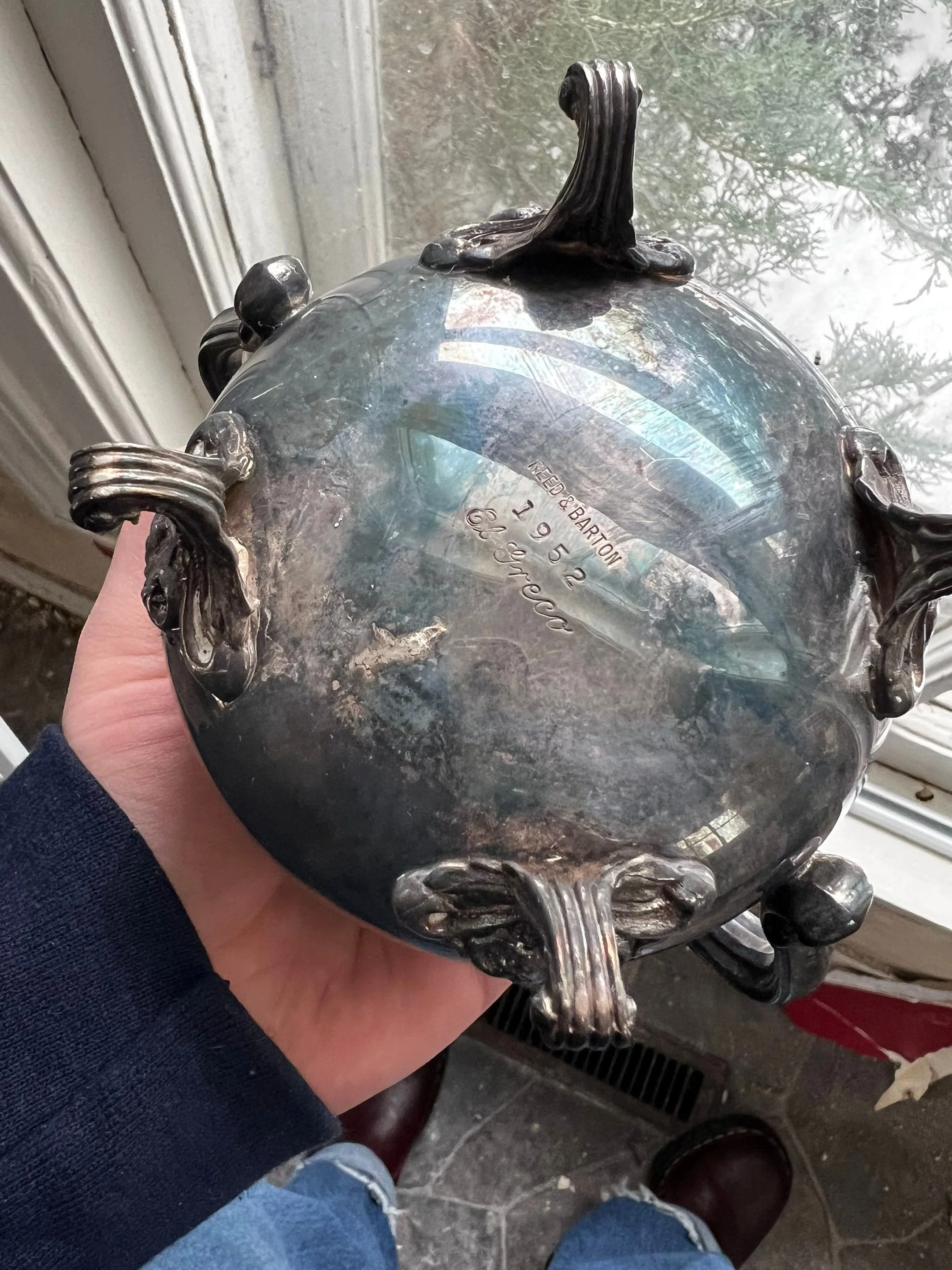
After years of working inside 19th-century homes throughout Central New York, we’ve learned that no two are alike; and that’s what makes this work so compelling. We’ve rebuilt collapsed floor systems, retrofitted insulation into hand-hewn frames, and uncovered stories written in the grain of old timber. Each project teaches us that preservation is both science and art - a conversation between those who built before us and those who will live after us.
Restoration Reformation
Restoration isn’t about chasing perfection. It’s about stewardship. When we renovate an old home, we’re not erasing its imperfections -we’re ensuring its character endures another century.
The goal isn’t just a finished product; it’s the quiet pride of knowing that somewhere in the future, another craftsman will peel back a wall and marvel at how thoughtfully it was rebuilt.