
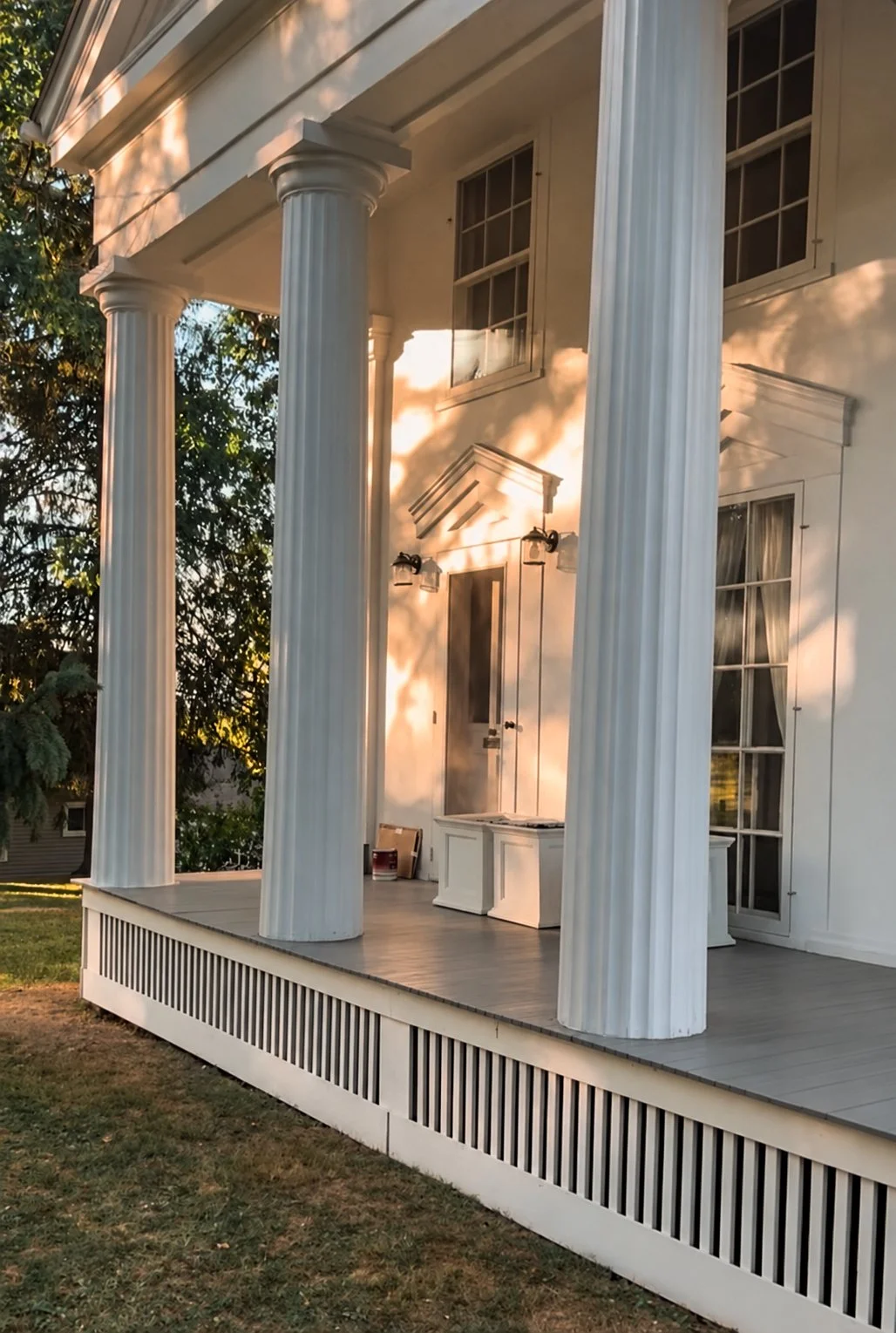
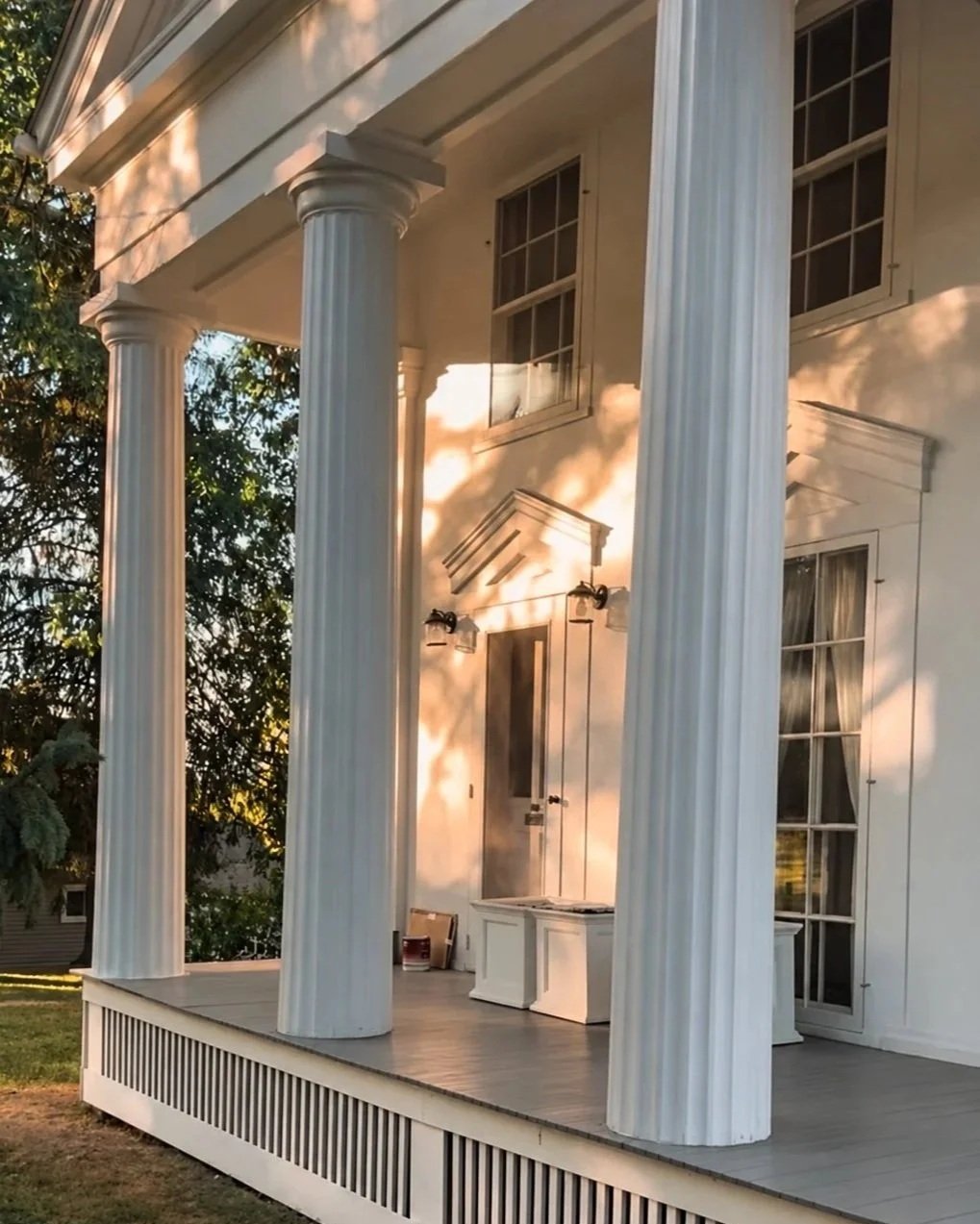
Historic Home Restoration
Preserving the character of older homes while thoughtfully addressing the structure, performance, and realities beneath the surface.
Historic homes ask more of the people who care for them. Their beauty is often inseparable from their age: hand-worked materials, irregular framing, layered alterations, and architectural details that cannot simply be replaced from a catalog. Working on them well requires patience, investigation, sound judgment, and respect for what is already there.
Based in Hamilton, New York, C. Cooper Construction specializes in complex renovations and restoration work for historic and older homes throughout Clinton, New Hartford, and the surrounding Central New York region. We combine traditional craftsmanship, modern building science, and careful project planning to preserve what makes a home distinctive while improving its safety, function, comfort, and longevity.
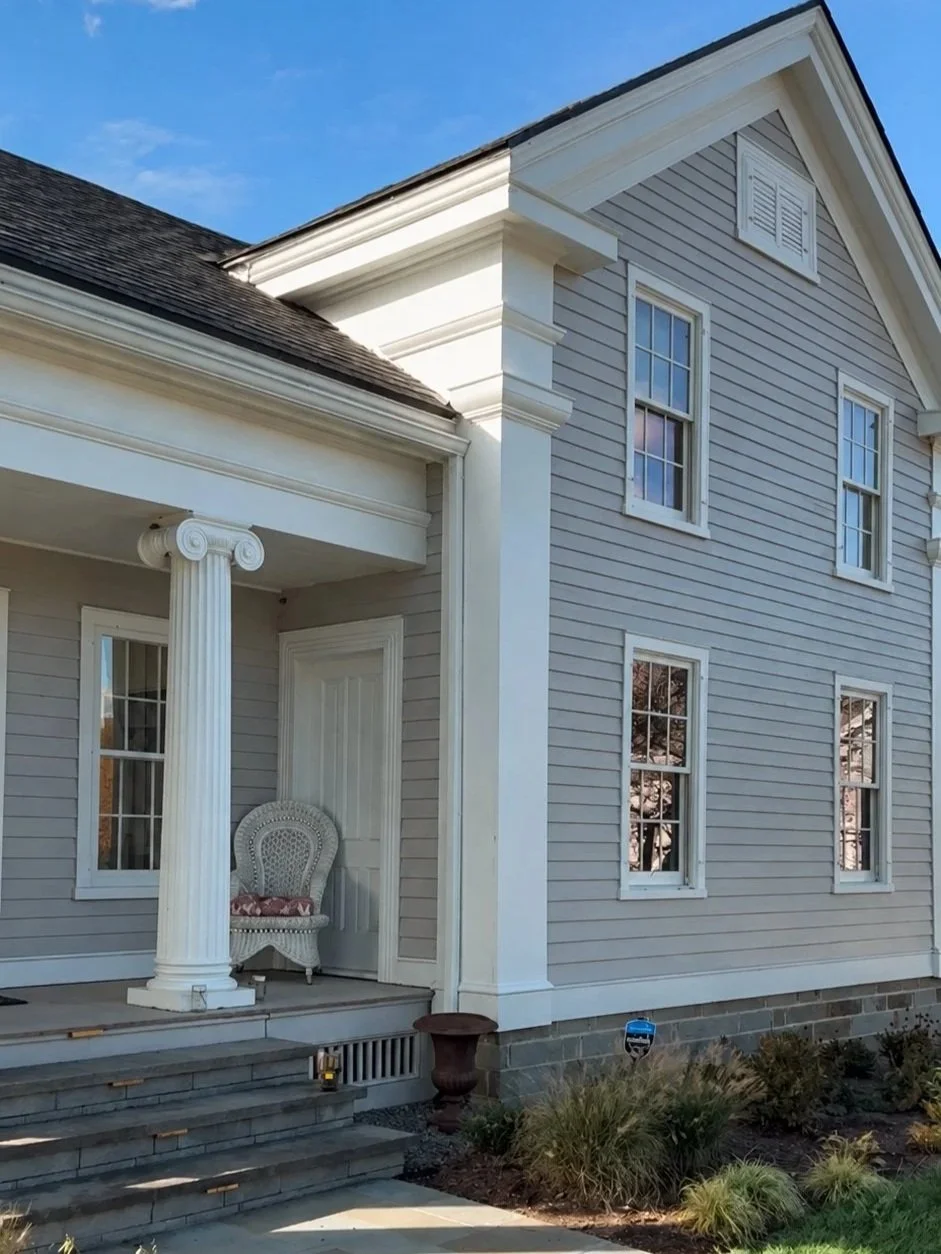
A home does not need a plaque to deserve a preservation-minded approach
Some of the homes we work on are formally recognized historic properties. Many are not. They may be nineteenth-century village houses, farmhouses, early twentieth-century homes, or buildings that have simply accumulated generations of repairs and alterations. Their historic value may live in their proportions, framing, plaster, windows, porches, trim, or the evidence of how they were originally built.
Our approach is not determined by a designation. It begins with the age and construction of the building, the integrity of its surviving materials, the conditions we uncover, and the homeowner's goals. We look for opportunities to retain what is sound, repair what can be responsibly repaired, and reproduce or replace what has reached the end of its useful life.
Restoration begins with understanding
Older homes rarely reveal their full story at first glance. Water may have traveled far from the place where damage becomes visible. A porch or cornice that appears cosmetic may conceal compromised framing. Walls may contain earlier openings, undersized supports, outdated wiring, abandoned plumbing, or repairs made without regard for the original load path or materials.
Before recommending a solution, we take time to understand the visible conditions, the surrounding assemblies, and the likely causes of deterioration. When a project calls for engineering, architectural design, environmental testing, or another specialty, we help bring the appropriate professionals into the process. This early investigation gives the project a more reliable foundation and helps the homeowner make informed decisions before construction begins.
Historic restoration services
Our restoration work ranges from concentrated architectural repairs to substantial, multi-phase renovations. Common project types include:
Structural investigation, stabilization, and repair
Repairs involving timber, balloon, and conventional framing
Historic porch restoration and reconstruction
Cornice, soffit, fascia, and exterior trim restoration
Yankee gutter investigation, rebuilding, and related water-management work
Historic siding repair and selective replacement
Window restoration, replacement, flashing, trim, and surrounding rot repair
Plaster, interior trim, paneling, mantels, built-ins, and other architectural features
Custom millwork created to match existing profiles and details
Substantial renovations and additions designed to respect the original house
Correction of previous repairs or alterations that are damaging the building
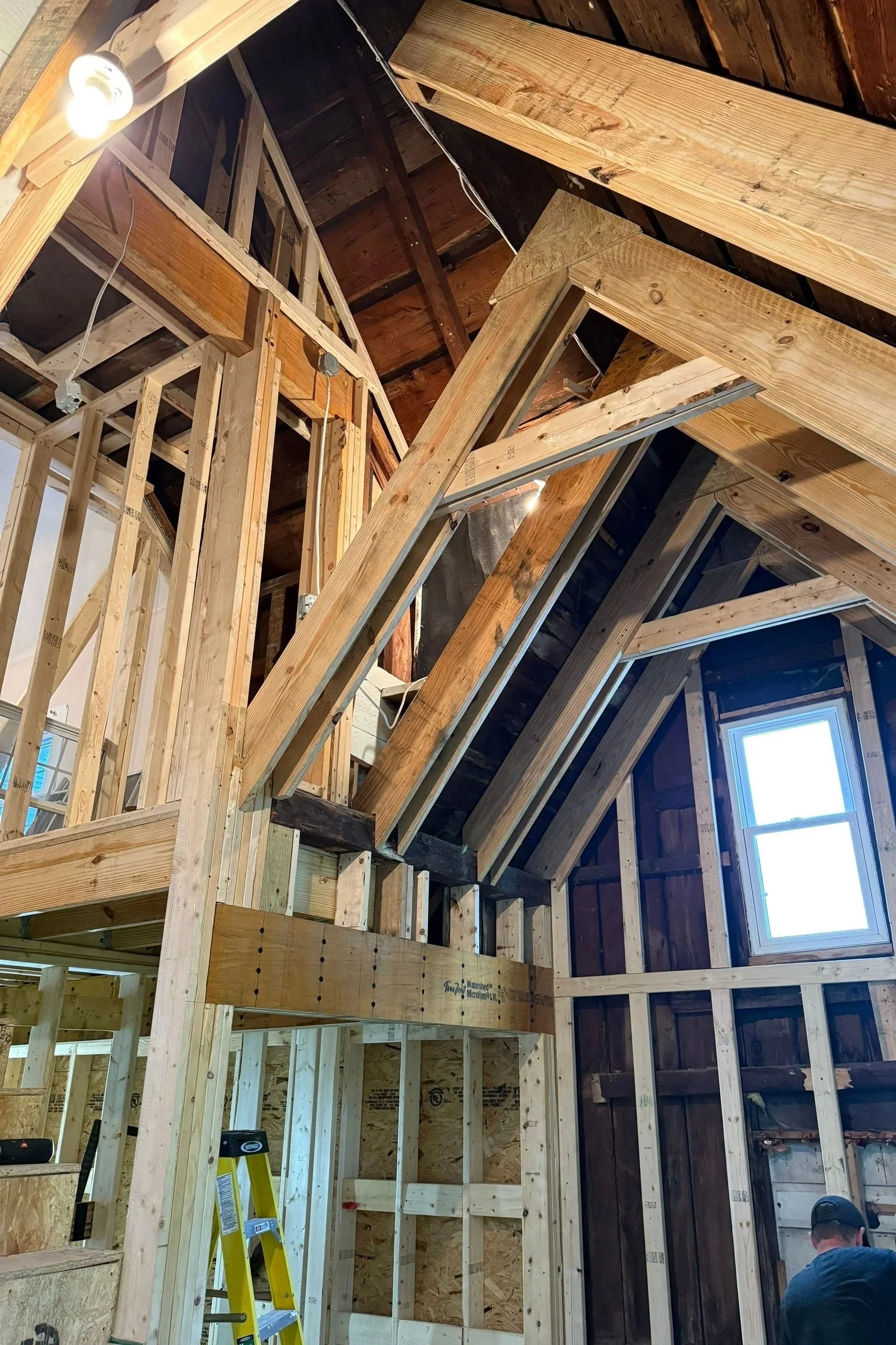
If you’re unsure whether or not your project will involve structural remediation, we’d be glad to talk with you about our process.
Preserve, repair, reproduce, or replace
Historic restoration is not a commitment to keeping every material at any cost, nor is it an excuse to remove everything old and begin again. The right solution depends on condition, significance, performance, safety, future maintenance, and the way each element relates to the whole house.
Where original material remains sound and serviceable, preservation may be the most responsible choice. Where deterioration is localized, careful repair can extend its life. Where a feature is missing or too compromised to retain, we can study the surviving details and reproduce profiles, proportions, and joinery so the new work belongs to the home. When replacement is the better long-term decision, we help homeowners choose materials and assemblies that respect the architecture and perform reliably in Central New York's climate.
Traditional craftsmanship, informed by modern building science
A successful restoration must do more than look historically appropriate. It must also manage structure, water, air, heat, and changing patterns of use. Older houses were built as interconnected systems, and an improvement in one area can create unintended consequences elsewhere if the entire assembly is not considered.
We approach upgrades with an understanding that durability and preservation belong together. That may mean tracing the source of moisture before repairing finish materials, improving flashing and drainage, maintaining appropriate drying potential, or coordinating insulation and mechanical improvements with the way the existing building is constructed. The goal is not to force every old house into a new-house formula. It is to make measured improvements that protect the building and support the people living in it.
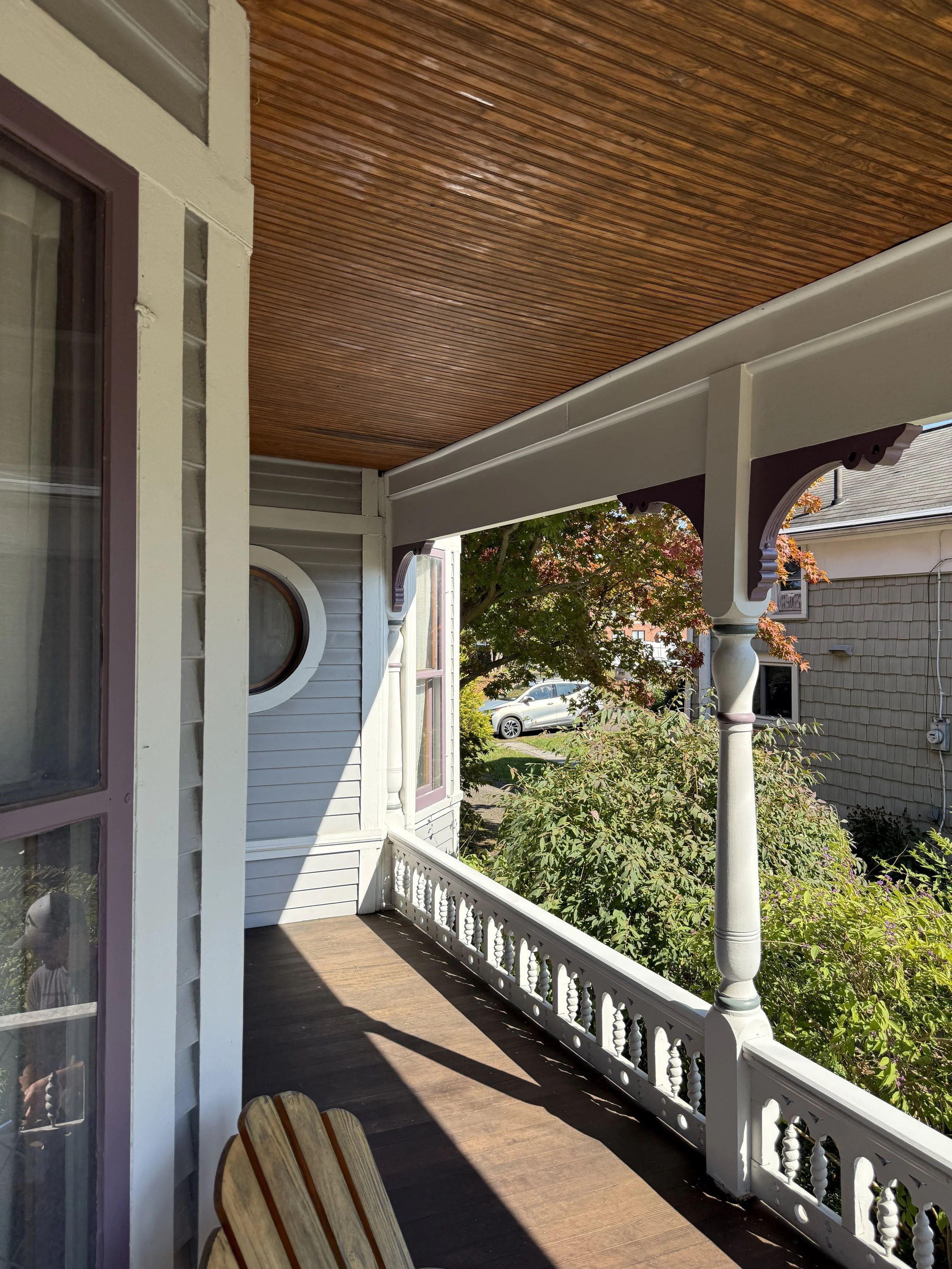
Architectural details made to belong
Much of a historic home's identity lives in its details: the depth of a casing, the curve of a molding, the rhythm of a porch, the relationship between a window and its trim. Standard replacement components can solve a short-term problem while quietly diminishing the architecture around them.
Our in-house carpentry and millwork capabilities allow us to repair existing features and create new pieces that respond to the original work. When necessary, we can document surviving profiles and source custom tooling to reproduce trim, moldings, and architectural details with greater accuracy. The result should not call attention to itself as a replacement. It should feel considered, proportional, and native to the house.
Renovating an older home for the way you live now
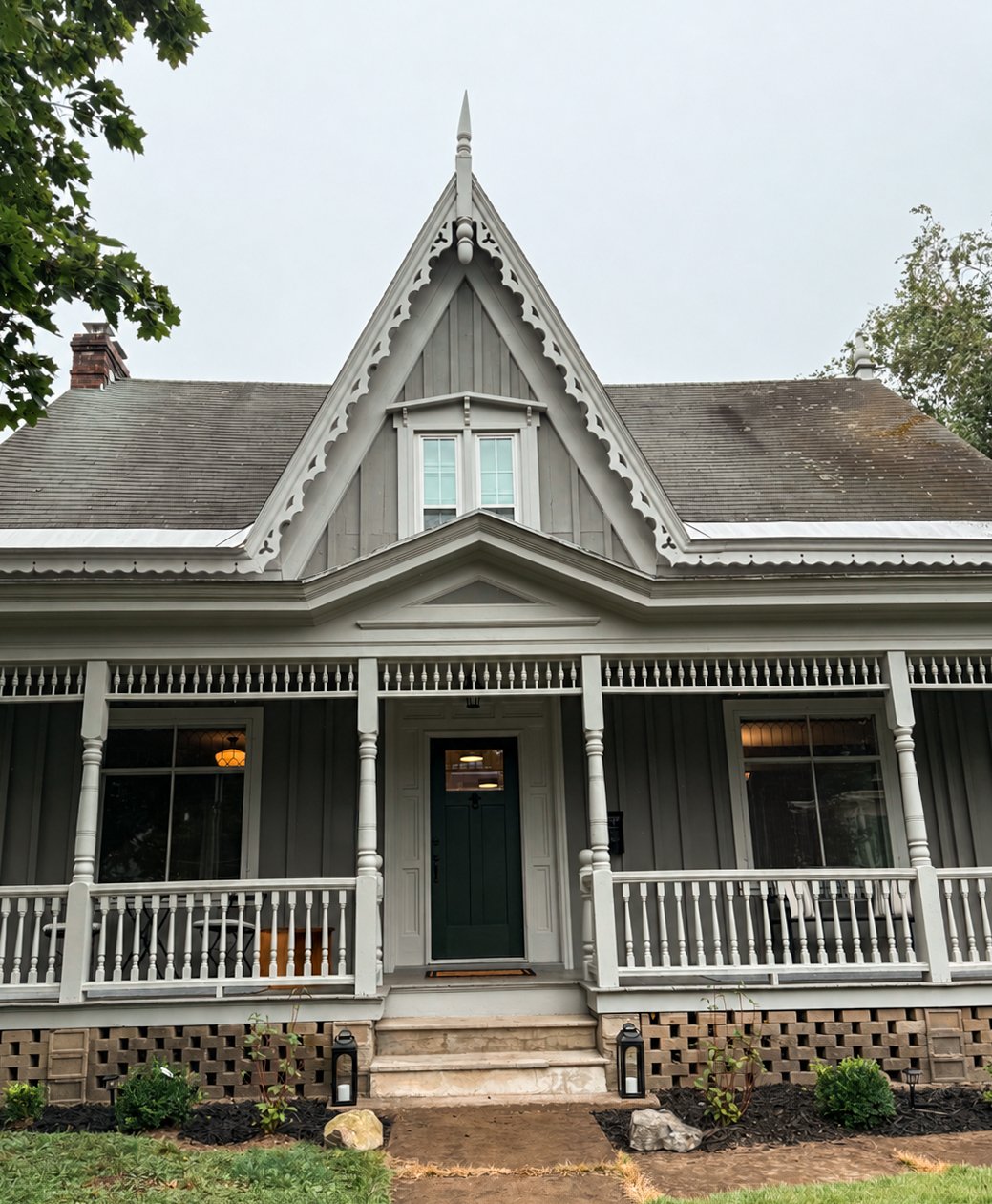
Preservation does not mean treating a home as a museum. Historic and older houses can—and should—continue to evolve. Families need kitchens that function, rooms that connect, systems that support modern life, and additions that provide space without overwhelming the original building.
For substantial renovations and additions, we look closely at circulation, proportion, materials, existing structure, and the hierarchy of the house. We work collaboratively with homeowners, architects, engineers, and designers to develop solutions that feel intentional rather than imposed. New work does not need to imitate the past perfectly, but it should understand and respect it.
Our process for complex older-home projects
The uncertainty of an older building makes careful preconstruction especially important. Our process is designed to replace assumptions with information and give the project team a clear path forward.
Initial conversation. We learn about the home, the work being considered, the problems already visible, and the homeowner's priorities.
On-site consultation. We walk through the property, study existing conditions, discuss the likely scope, and identify areas requiring further investigation or professional input.
Feasibility and early planning. We document observations, outline preliminary budget and schedule considerations, identify likely challenges, and recommend the architects, engineers, designers, surveys, or testing the project may require.
Preconstruction. As plans and selections develop, we refine the scope, budget, schedule, procurement needs, and coordination among the project team.
Construction and documentation. Our team manages the work with consistent communication, careful protection of the home, and clear documentation when concealed conditions or necessary changes arise.
This measured beginning is not an extra layer placed in front of the work. On a complex older home, it is part of doing the work responsibly.
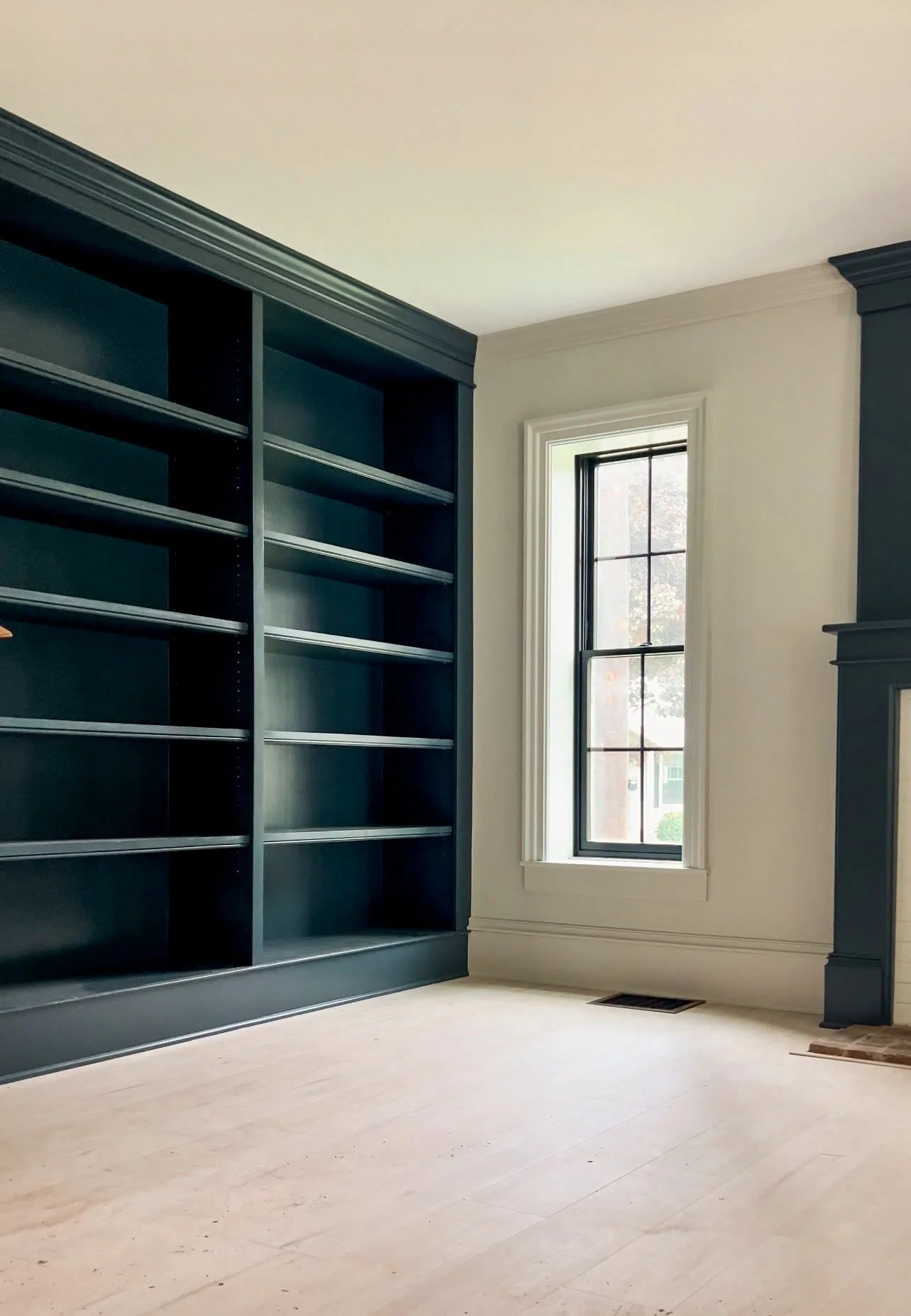
Historic restoration throughout Central New York
C. Cooper Construction is based in Hamilton, New York, and works on historic and older homes throughout Clinton, New Hartford, Sauquoit, Waterville, Paris, Deansboro, and surrounding communities in Madison and Oneida Counties. We consider projects throughout the broader Central New York region when the scope is well aligned with our team's expertise.
Because complex restoration and renovation projects require close planning and sustained coordination, location is considered alongside the building, scope, schedule, and overall project fit.
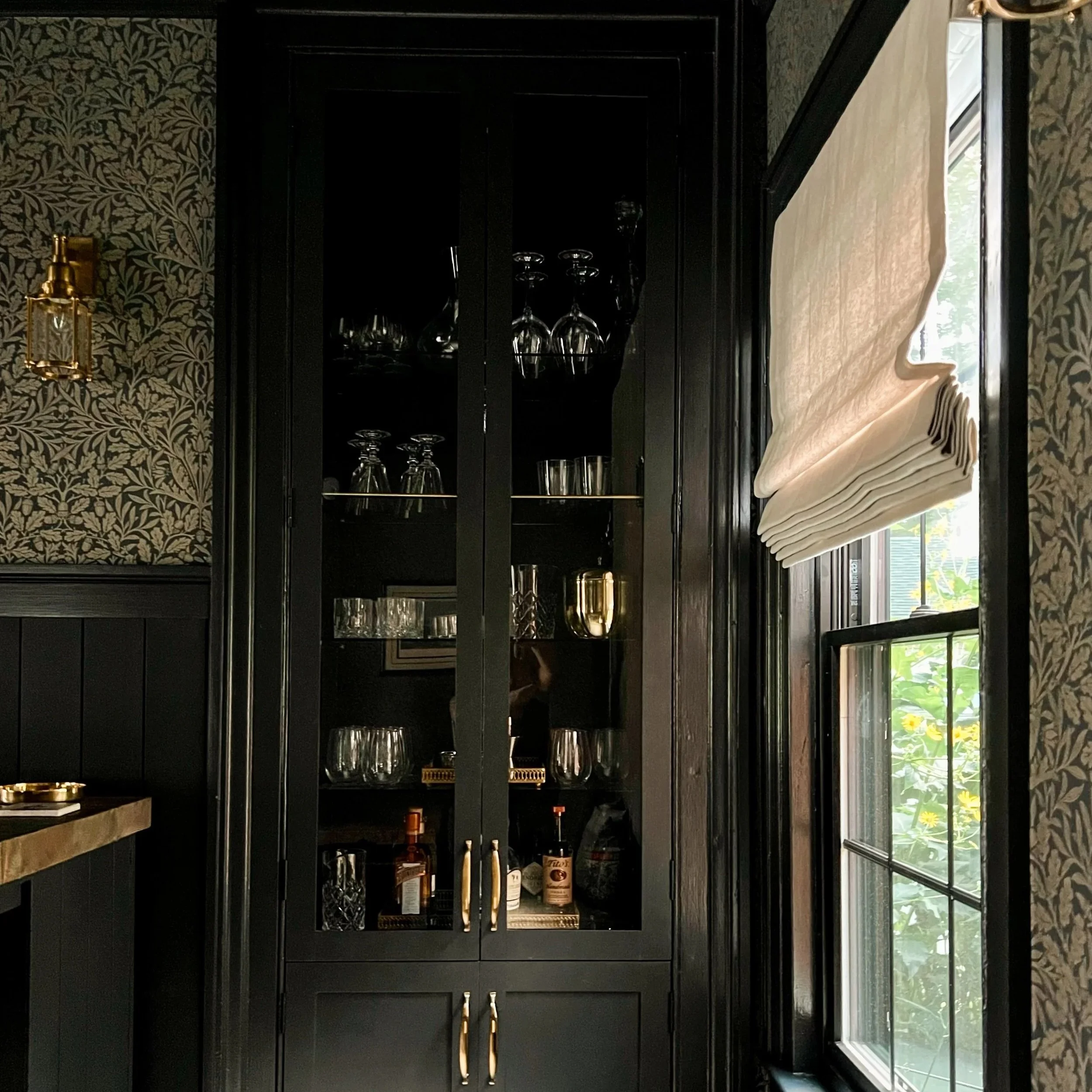
Frequently Asked Questions
-
No. Many older homes have significant architecture, materials, and construction conditions without appearing on a historic register. We consider the building's age, character, condition, and the nature of the proposed work—not simply its designation.
-
Often, yes, but the appropriate approach depends on how the home was built and how its assemblies currently manage air, heat, and moisture. We evaluate improvements in context and coordinate with the appropriate design and mechanical professionals when needed.
-
In many cases, yes. We can study surviving details and reproduce profiles or individual components so repairs and new work relate appropriately to the original architecture. Feasibility depends on the condition, material, profile, quantity, and tooling required.
-
We document what we find, explain how it affects the planned work, and review the available options before proceeding. When engineering or another specialty is required, we coordinate that input so decisions are based on the actual conditions rather than assumptions.
-
Some projects do, particularly when they involve additions, significant structural changes, complex code considerations, or substantial alterations to the home's layout. We help identify those needs early and can collaborate with the homeowner's existing professionals or recommend trusted partners.
-
We consider both. A concentrated project may be a strong fit when it involves meaningful structural, architectural, or preservation work. We evaluate project fit based on the building, complexity, scope, location, schedule, and the value our team can bring—not solely by the number of rooms involved.
-
As early as possible. Early involvement allows time to understand existing conditions, assemble the right professional team, evaluate feasibility, and make informed decisions before drawings, selections, or construction schedules become difficult to change.
Begin with the home in front of us
Every older home carries a different combination of history, craftsmanship, alteration, and need. If you are considering a substantial renovation, addition, structural repair, or architectural restoration, we would be glad to learn more about the home and what you hope to preserve, improve, or make possible.
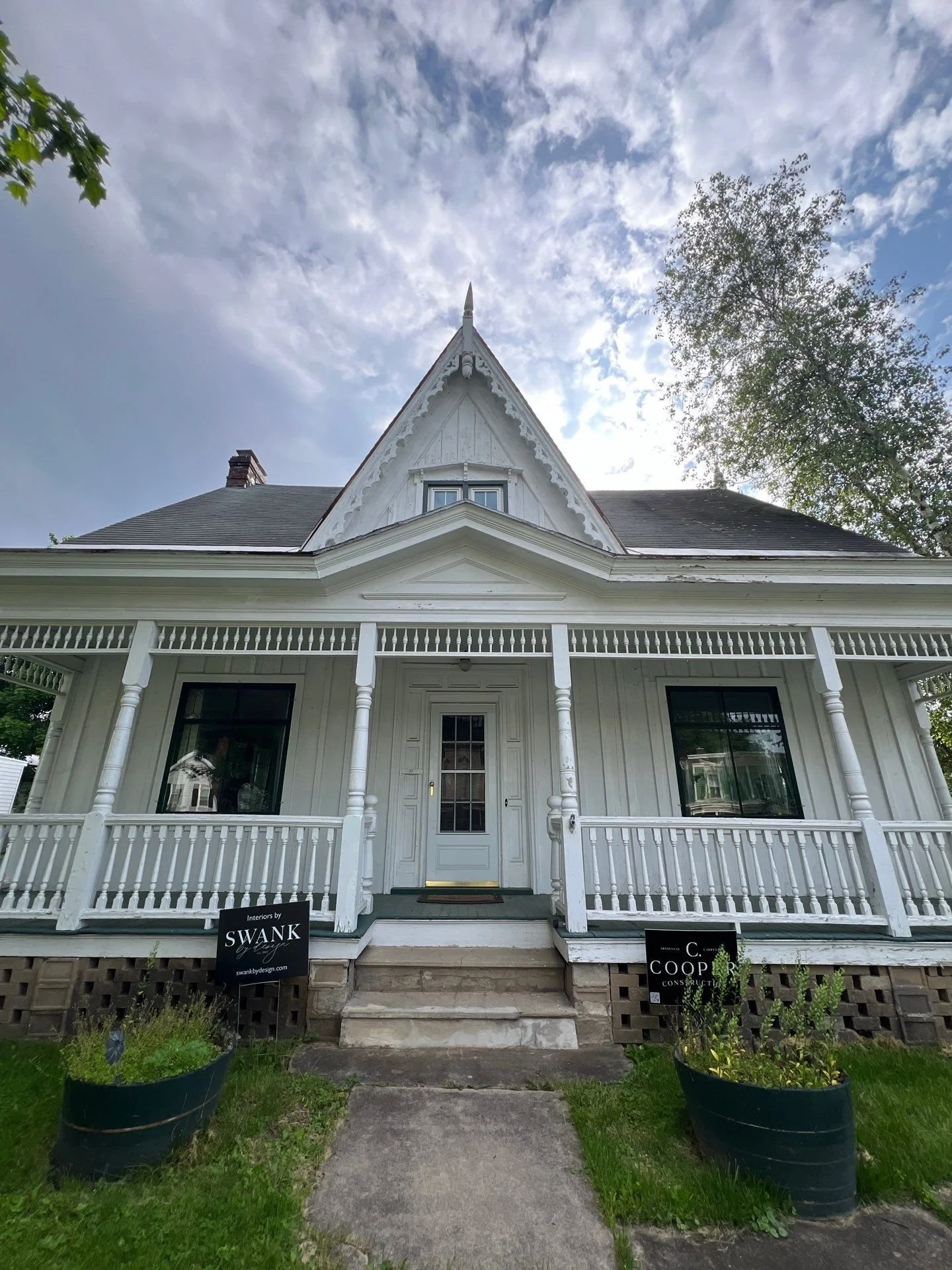
Learn more about our historic restoration work on our blog: What Lies Beneath: Structural Surprises Inside a 200-Year-Old Gothic Revival Home
Service areas include:
Hamilton, NY
Hubbardsville, NY
Earlville, NY
Eaton, NY
Poolville, NY
Sherburne, NY
Madison, NY
Morrisville, NY
Clinton, NY
Paris, NY
Waterville, NY
Deansboro, NY
Oriskany Falls, NY
New Hartford, NY
Washington Mills, NY
Please inquire for additional project locations throughout Central New York.