
Before You Build Your Team: The Questions That Shape a Successful Project
There’s no shortage of advice about how to choose a contractor.
But the truth is—your contractor is only one part of the equation.
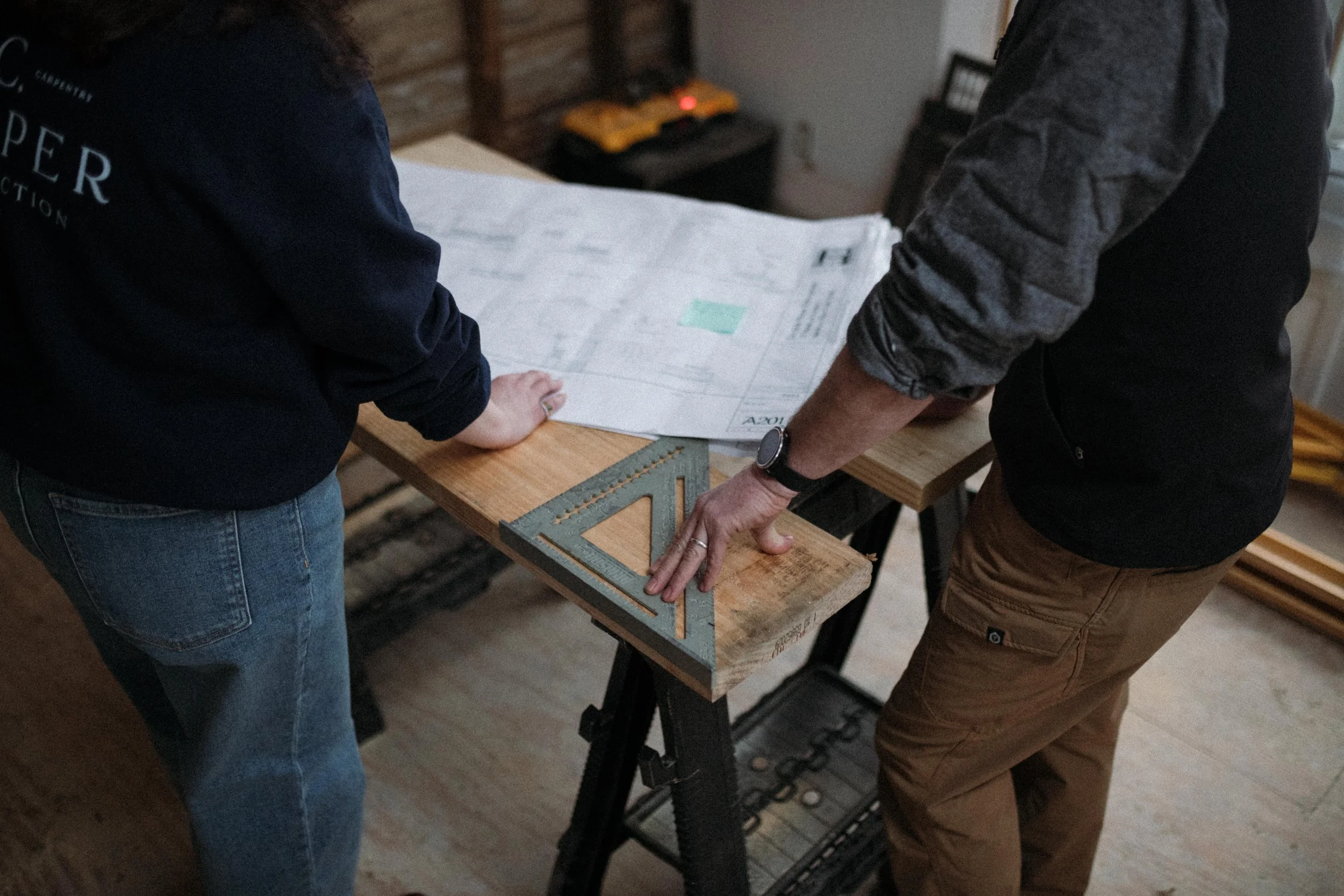
The success of a renovation or custom home project is shaped by every professional involved: your architect, your interior designer, your builder—and how well they work together.
And while most homeowners focus on who they like or whose work they admire, fewer take the time to understand how those professionals actually operate.
Because a beautiful portfolio doesn’t always translate to a smooth project.
If you’re in the early stages of assembling your team, here are the questions we believe matter most—no matter who you’re hiring.
Question One:
“How do you collaborate with the rest of the project team?”
1. “How do you collaborate with the rest of the project team?”
This is one of the most important—and most overlooked—questions you can ask.
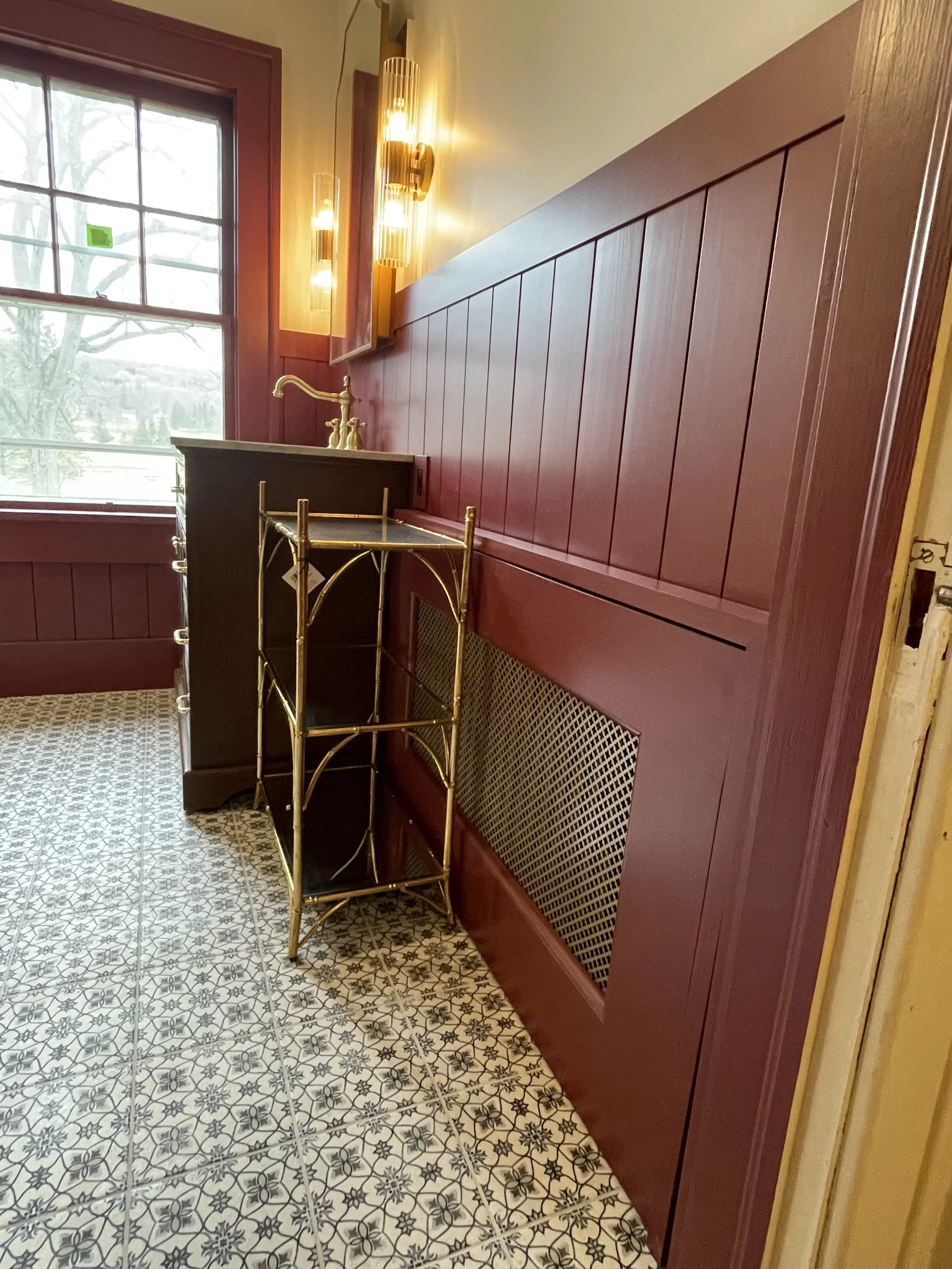
Every professional brings a different lens:
Architects often think in structure and form
Designers often think in experience and detail
Builders often think in sequencing, constructibility, and performance
A successful project depends on how those perspectives are integrated—not how they compete.
You’re listening for:
Willingness to communicate openly with other team members
Experience working in team-based environments
Respect for other disciplines
A collaborative professional will speak about the team, not just their role.
Make it stand out
Question Two:
“At what stage do you typically get involved in a project?”
2. “At what stage do you typically get involved in a project?”
This question reveals how proactive—or reactive—someone’s process is.
Some professionals are used to stepping into fully developed plans. Others are most effective when involved early, helping shape decisions before they become costly to change.
There’s no single “right” answer—but alignment matters.
When your team is brought in at the right time:
Budgets are more accurate
Timelines are more realistic
Fewer revisions are needed
The earlier the coordination, the stronger the outcome.
Question Three:
“How do you approach budgeting and cost alignment?”
3. “How do you approach budgeting and cost alignment?”
Every project has a financial framework—even when it’s not clearly defined yet.
The question is whether your team treats budget as:
A constraint to react to
Or a tool to guide decisions
You’re looking for professionals who:
Can speak comfortably about cost ranges
Understand how design decisions impact construction costs
Are willing to adjust and refine based on your priorities
The goal isn’t to limit creativity—it’s to ensure that creativity stays grounded in reality.
Question Four:
“What does your decision-making process look like?”
4. “What does your decision-making process look like?”
Delays on construction projects are often tied to one thing: unclear or delayed decisions.
Every professional should have a structured way of guiding you through selections, approvals, and milestones.
Ask:
How are decisions presented?
What needs to be finalized before construction begins?
What happens if decisions are delayed?
A well-defined process creates clarity—not pressure.
Question Five:
“How do you communicate throughout a project?”
5. “How do you communicate throughout a project?”
Communication isn’t just about frequency—it’s about clarity.
You want to understand:
How often updates are provided
What those updates include
Who your primary point of contact is
The best teams don’t just share information—they help you understand what it means.
Question Six:
“How do you handle challenges or unforeseen conditions?”
6. “How do you handle challenges or unforeseen conditions?”
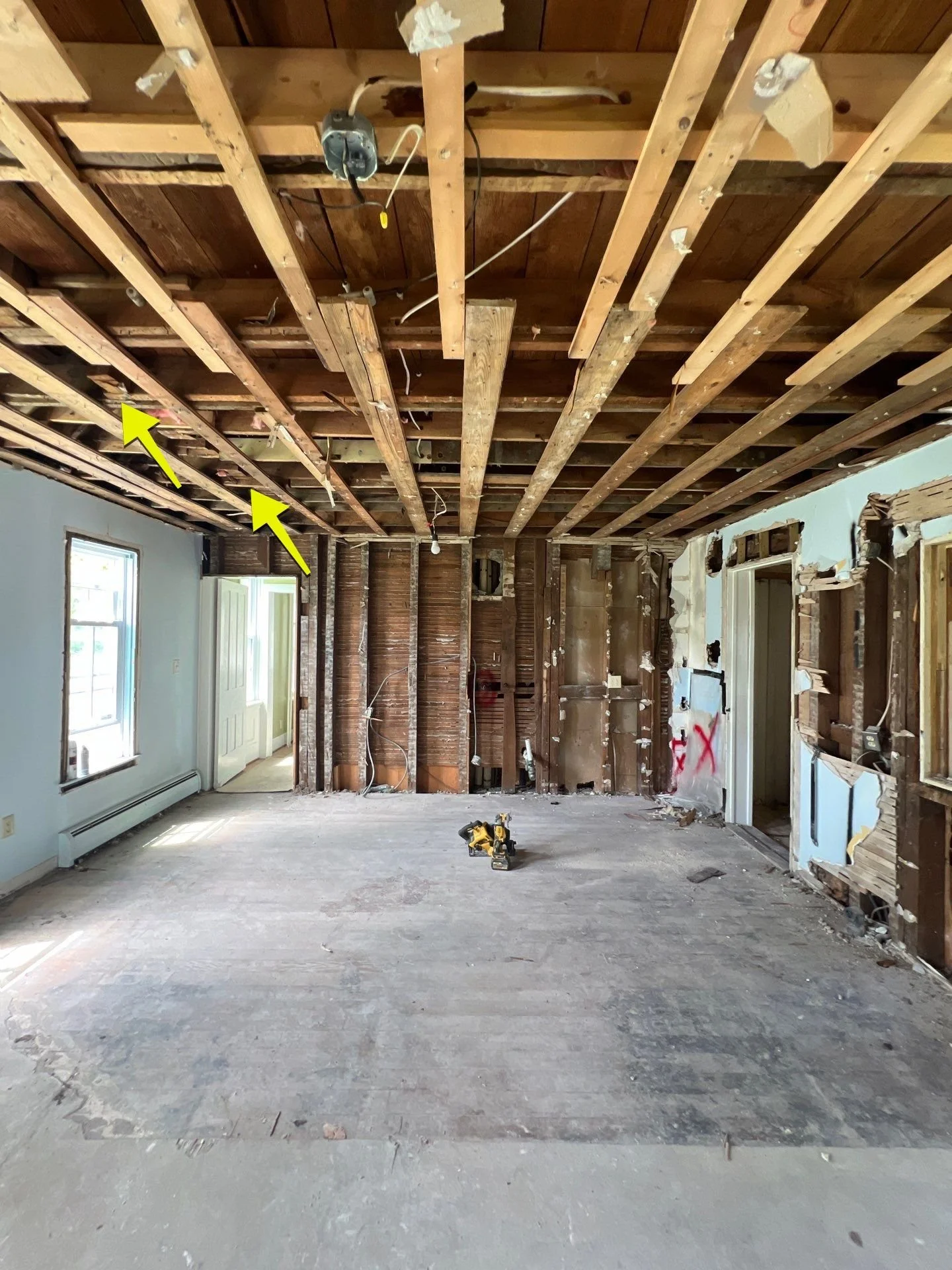
In renovation and restoration work, the unexpected is part of the process.
What matters is how your team responds when it happens.
Listen for:
Transparency
Problem-solving mindset
Willingness to bring the right experts into the conversation
You’re not looking for someone who promises perfection—you’re looking for someone who knows how to navigate complexity
Question Seven:
“Can you walk me through how a typical project unfolds?”
7. “Can you walk me through how a typical project unfolds?”
This question brings everything together.
Each professional should be able to clearly explain:
Their role in each phase
How they interact with others
What you can expect at key milestones
When everyone understands the roadmap, the project becomes far more predictable—and far less stressful.
A Note on Fit
Beyond experience and skill, the most important factor in any project is alignment.
Alignment in:
Communication style
Expectations
Level of involvement
Decision-making approach
Because the reality is—your project team will be working together for months, sometimes longer.
When the right team is in place, the process feels coordinated, thoughtful, and steady.
When it isn’t, even the most beautiful designs can become difficult to execute.
Our Perspective
At C. Cooper Construction, we see ourselves as one part of a larger team.
Our role is to:
Translate design into execution
Help align decisions with real-world conditions
Support both the client and the design team through each phase
We believe the best projects come from early collaboration, clear communication, and shared respect across disciplines.
Because when the entire team is working toward the same goal, the result is more than just a finished space—
It’s a process that feels as considered as the outcome itself.
If You’re Just Getting Started
You don’t need to have everything figured out before reaching out.
But asking the right questions early can give you a clearer sense of how your project—and your team—will come together.
And that clarity is often what sets a good project apart from a great one.