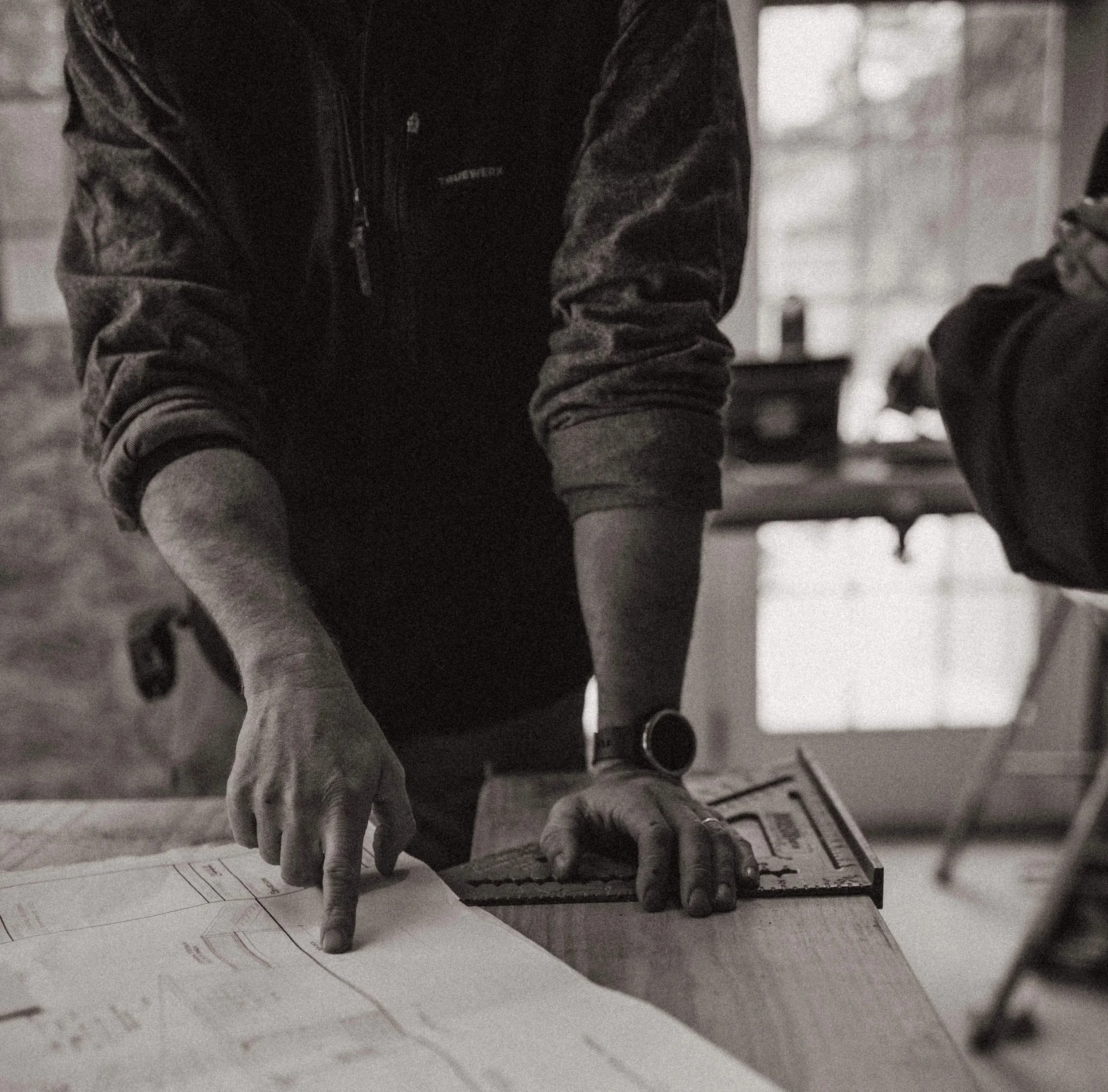
In the Walls, We Found Ourselves
I never imagined that my life would one day revolve around the anatomy of old homes; the way a plaster wall sounds when you knock on it, the way century-old timber smells when you expose it to light after decades in the dark, the way a hand-cut nail, bent slightly with time, tells a story more honest than anything written on a blueprint.
But looking back, I think my life was quietly preparing me for this long before I knew to look for the signs.
The Early Years: Two Paths That Didn’t Yet Touch
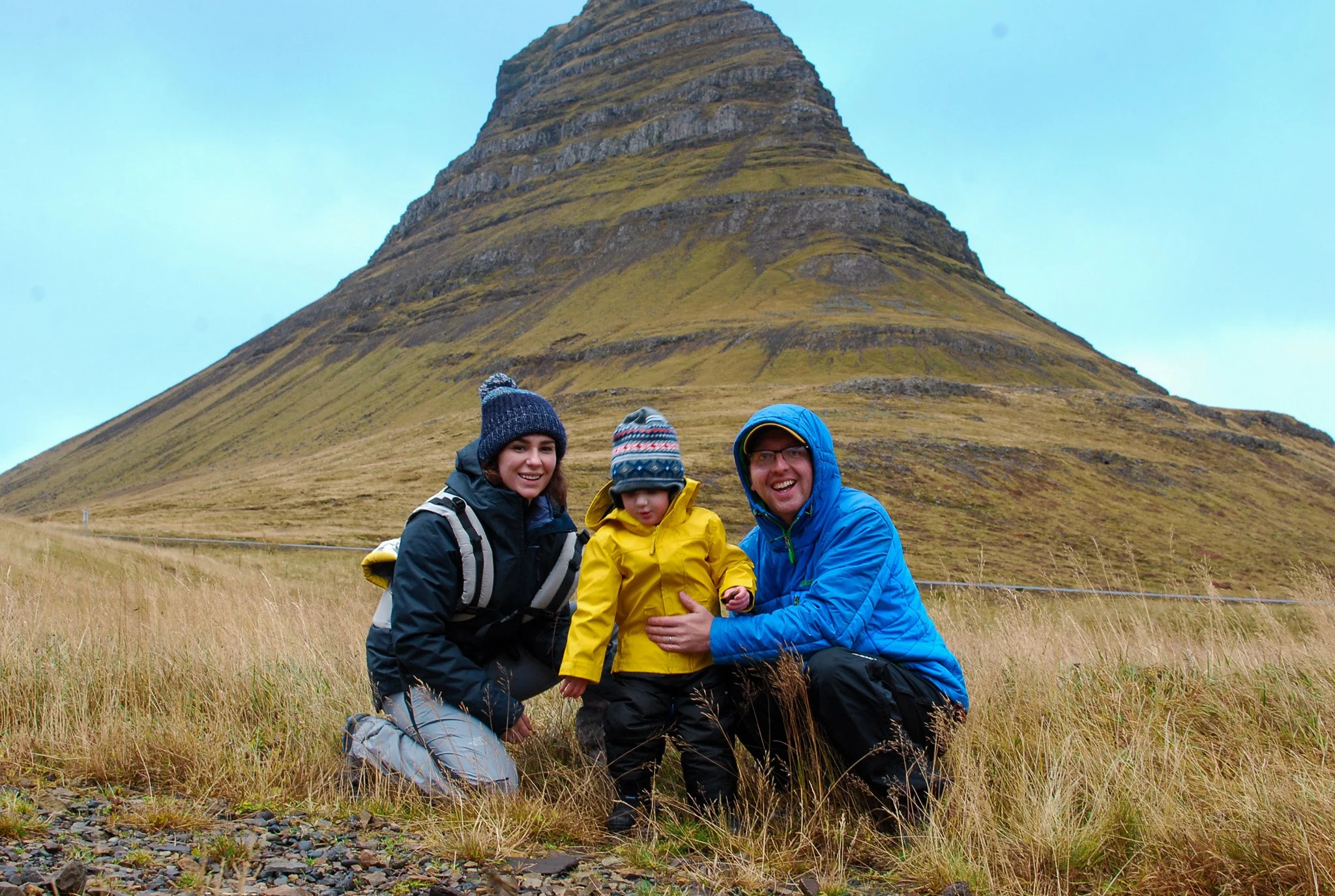
Daniel and I married in 2011 and we built our early years on opposite schedules and parallel exhaustion. He left the house before sunrise, coffee in hand, heading toward job sites that were hidden behind winding country roads and lengthy commutes. I came home as the sun would rise behind the trees, pulling off scrubs after another night in the ICU; where alarms and whispered prayers and the soft beeping of monitors had filled my ears and often lingered in my dreams.
In those years, our kitchen light often flickered on at strange hours. Our oldest son was still a baby, life was somehow both quiet and loud, and our conversations were sometimes no more than passing reassurances:
“I made your lunch.”
“Did you sleep today?”
“Drive safe.”
But beneath that rhythm, somewhere between the sawdust in his hair and the antiseptic smell clinging to my clothes, we were each developing a way of seeing the world that would eventually become the foundation of our business.
Daniel was learning to read buildings like biographies: the way a wall bowed told him how a family had lived; the way a joint was cut told him who had built it and how much time they’d had to spare.
And I was learning to read people the same way; to observe what wasn’t said, to trust science and small signs, to stay calm when the room tilted.
We didn’t know it then, but these quiet disciplines would someday weave our lives together in a way neither of us could have anticipated.
The Gentle Shift That Changed Everything
The turning point came softly, the way big changes often do.
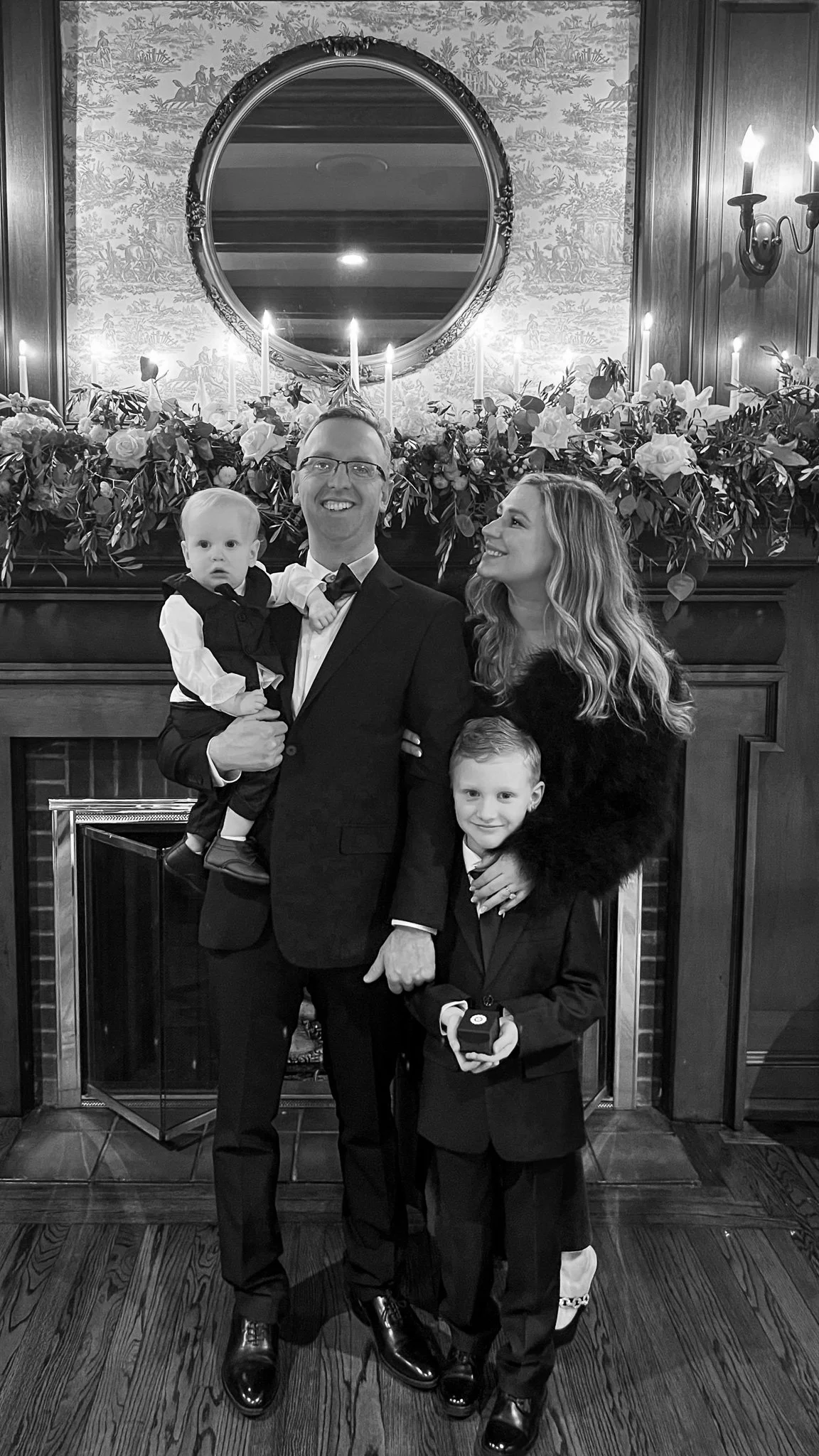
Our second son had just been born. The pandemic had hollowed out hospitals and exhausted the people inside them. Daniel’s long commute was wearing on all of us, and the thought of continuing on parallel tracks felt suddenly unbearable.
I didn’t know exactly what I wanted, only that I needed work that made room for gentleness, purpose, and a different kind of stewardship. I stepped away from the hospital and toward the unknown; toward the scraps of a side business we’d quietly been tending like a small, uncertain garden.
At first, C. Cooper Construction was nothing more than receipts, tools, and scattered jobs. But little by little, a few projects began to find us; especially the old homes. The ones with layers of paint hiding layers of history. The ones whose floors sagged with dignity. The ones that asked more of you than a skillset; they asked for patience.
And then came the house in Hamilton.
Looking back, I think of it as the first time we truly met ourselves.
The Hamilton House: Where We Learned to Listen
If you’ve ever opened a wall in a historic home, you know the feeling; that mix of anticipation and reverence, like you’re about to uncover something sacred.
I can still picture Daniel pulling back the first section of drywall and exposing the original timber framing: thick, imperfect, and astonishingly true. I could see him pause to run his fingers along the grain of old-growth, hand-cut pine studs. It felt as though he was having a conversation with the builder who raised these walls over 150 years ago.
I remember my clipboard resting in my hands, my notes forgotten as I watched him work. He wasn’t just repairing a house. He was honoring the craftsmen who shaped these walls and the generations of families this home had carried through time.
As the days passed, we found square nails hammered by someone who had likely stood on a wooden ladder some time in 1864. We found remnants of plaster keys, remnants of wallpaper patterns, and the unmistakable quiet of a house remembering its story.
Somewhere between the dust and the old-growth pine, I realized:
We were meant to do this work.
Not later, not someday — but now.
That house taught us how to listen.
To each other.
To our craft.
To the homes that had waited so patiently for someone to see them.
Daniel’s Way of Seeing
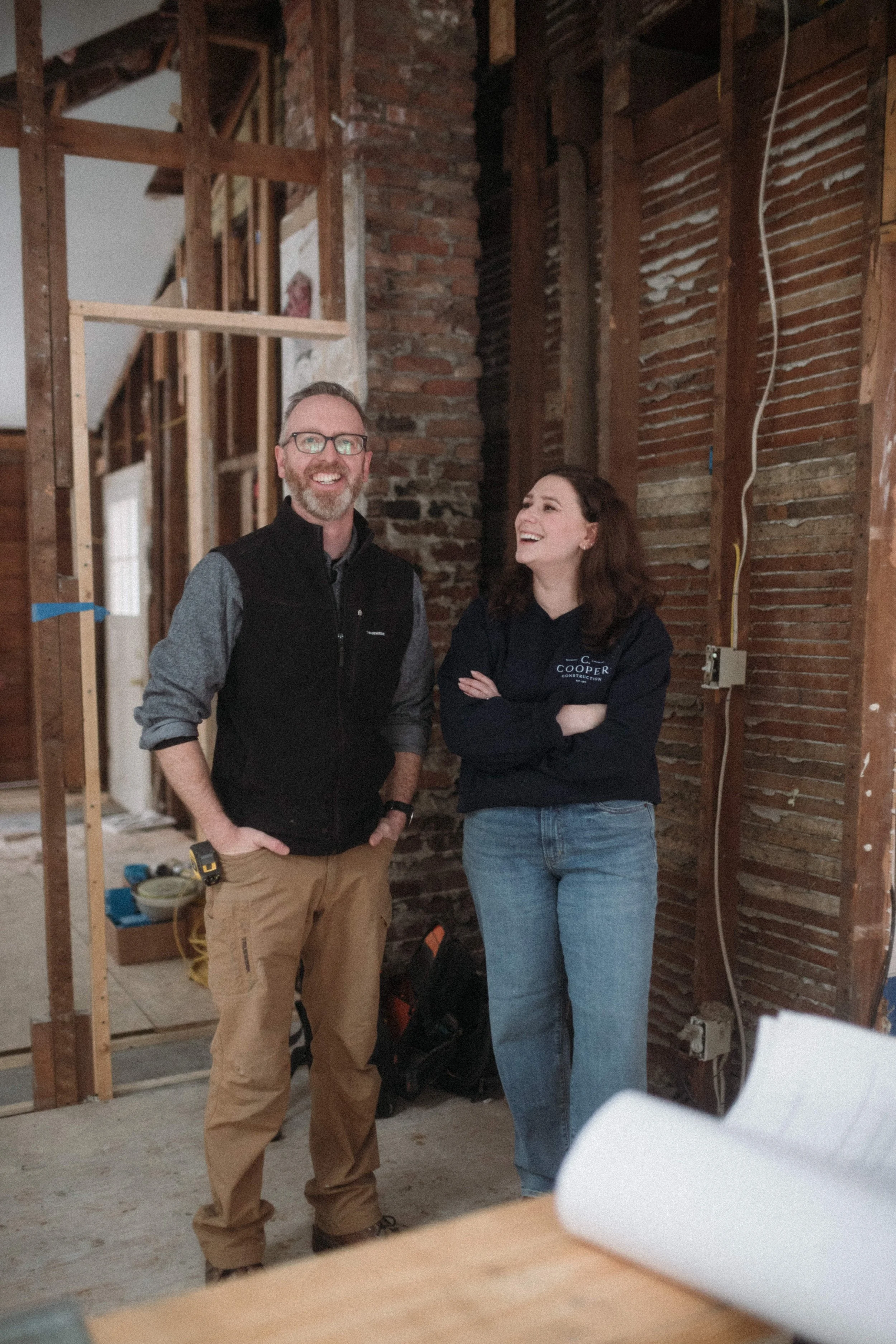
Daniel sees homes the way I once saw patients; with a level of attention, curiosity, and tenderness you simply can’t manufacture. He walks into an old house the way some people walk into a cathedral: quiet, observant, almost reverent. His eyes go immediately to the things most people never notice.
The faint watermark on a sill that reveals how a century of seasons moved through the room. The language of a joint; whether it was cut in haste or with pride, whether the hands that shaped it were rushed or gifted or simply doing their best. The way a single piece of millwork, chosen with care, can bring a room back into balance the way a well-placed word can bring a sentence to life.
He doesn’t just look at a structure; he reads it. Through the grain of the wood, he sees the choices made generations ago; the ingenuity, the compromises, the craftsmanship, the stories.
And then he adds his own.
His guiding principle is deceptively simple:
“Build for the next generation.”
But when he says it, he isn’t speaking in metaphor. He means it in the most literal, grounded way. He means our sons walking into a home their father restored years from now, laying their hands along a piece of trim he milled or a wall he trued, and feeling proud. Not because the home is flawless, but because its quirks were honored, its character preserved, and every inch of it was rebuilt with the integrity of someone who believes the past and future are equally sacred.
My Own Path: Learning to Lead by Listening
I didn’t enter construction with bravado or expertise. I entered quietly, learning everything the slow way; watching, absorbing, asking questions, and listening more than I spoke.
I carry with me the lessons I learned at the bedside - that charged, sacred space where nurses become both guardians and witnesses.
In the soft blue wash of monitor light, you learn to exist in two worlds at once: the world of stillness, where you tune your ears to the faintest change in a breath and your eyes to the barely perceptible shift in a QRS complex… and the world where instinct fires faster than thought, sending you into motion the moment something in the room tilts. A tremor in the waveform, a stutter in the rhythm and your hands are already moving, labs drawn, code cart close, your voice the only steady thing in the storm.
You speak softly but with crystalline intention, knowing your words can quiet a panicked heart, steady a trembling hand, and hold a family together in the seconds before fear takes shape. And through it all, you honor the life before you - the story, the heartbeat, the fragile humanity entrusted to your care.
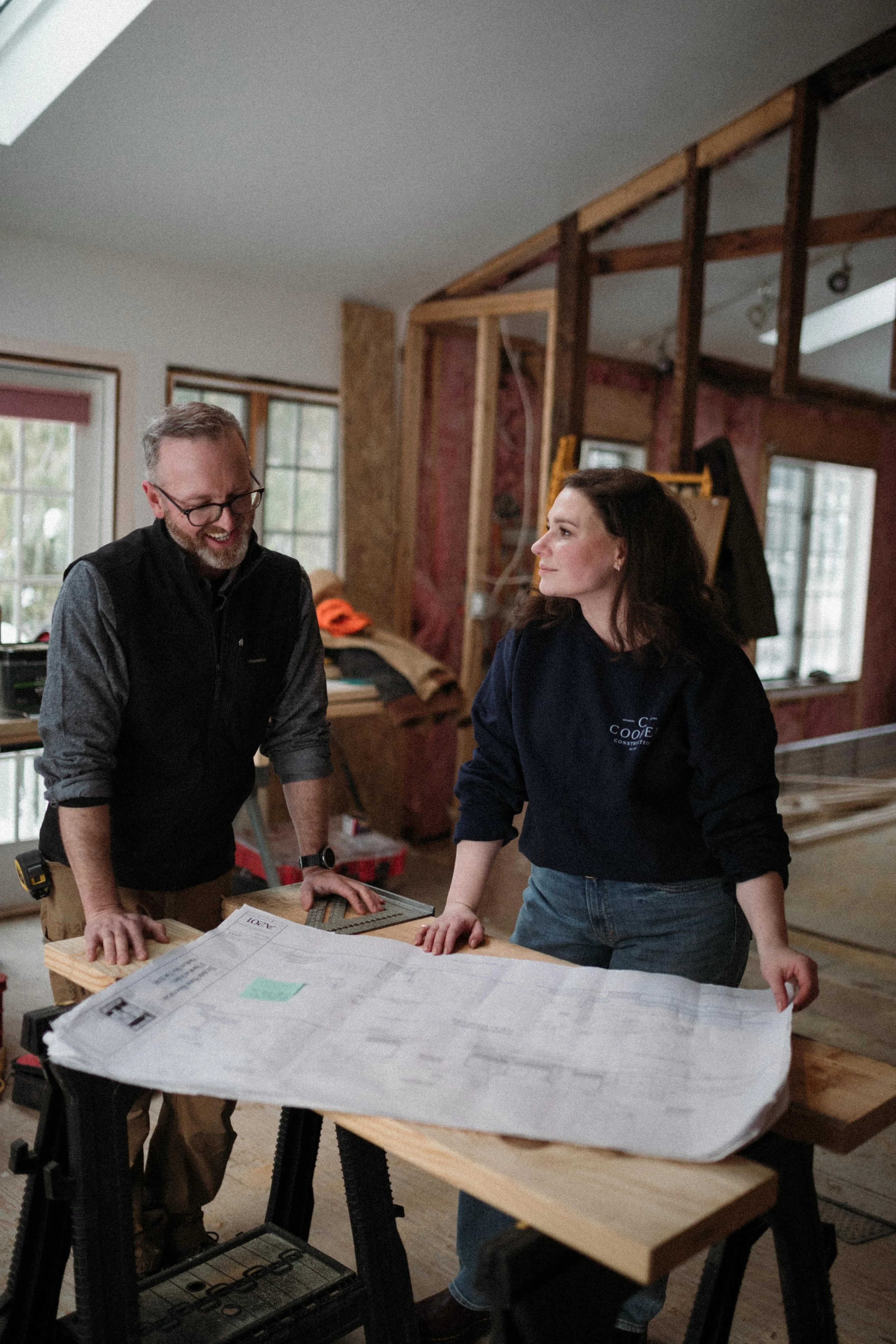
And those instincts, that blend of vigilance, calm, and reverence for the human story, came with me when I stepped into this work.
Because old homes, in their own quiet way, ask for the same presence.
You learn to listen to them the way you once listened to heartbeats and breath sounds. For the small shifts that reveal something deeper. You learn to notice the faint sag of a joist, the way a window sticks in its frame, the subtle bow in a plaster wall that tells you where time has pressed too hard. You move between stillness and action just the same: pausing to understand, then stepping in with intention.
And much like those moments in the ICU, clarity matters here too. Calm matters. Respect matters. A home, especially one that has sheltered generations, carries its own fragile humanity, its own story, its own life. And when it’s entrusted to our care, I feel the same responsibility I felt at the bedside:
To listen.
To act wisely.
To protect what is irreplaceable.
To honor the story as we help it continue.
I felt, and still feel, humbled by how much there is to learn in this field.
But humility doesn’t negate authority; it deepens it.
And when I walk into an old home with Daniel, I see not just the structure, but the story - how people lived in it, how they might live in it now, and how the choices we make will ripple into its future.
Our Home: The Small, Imperfect Reflection of Our Philosophy
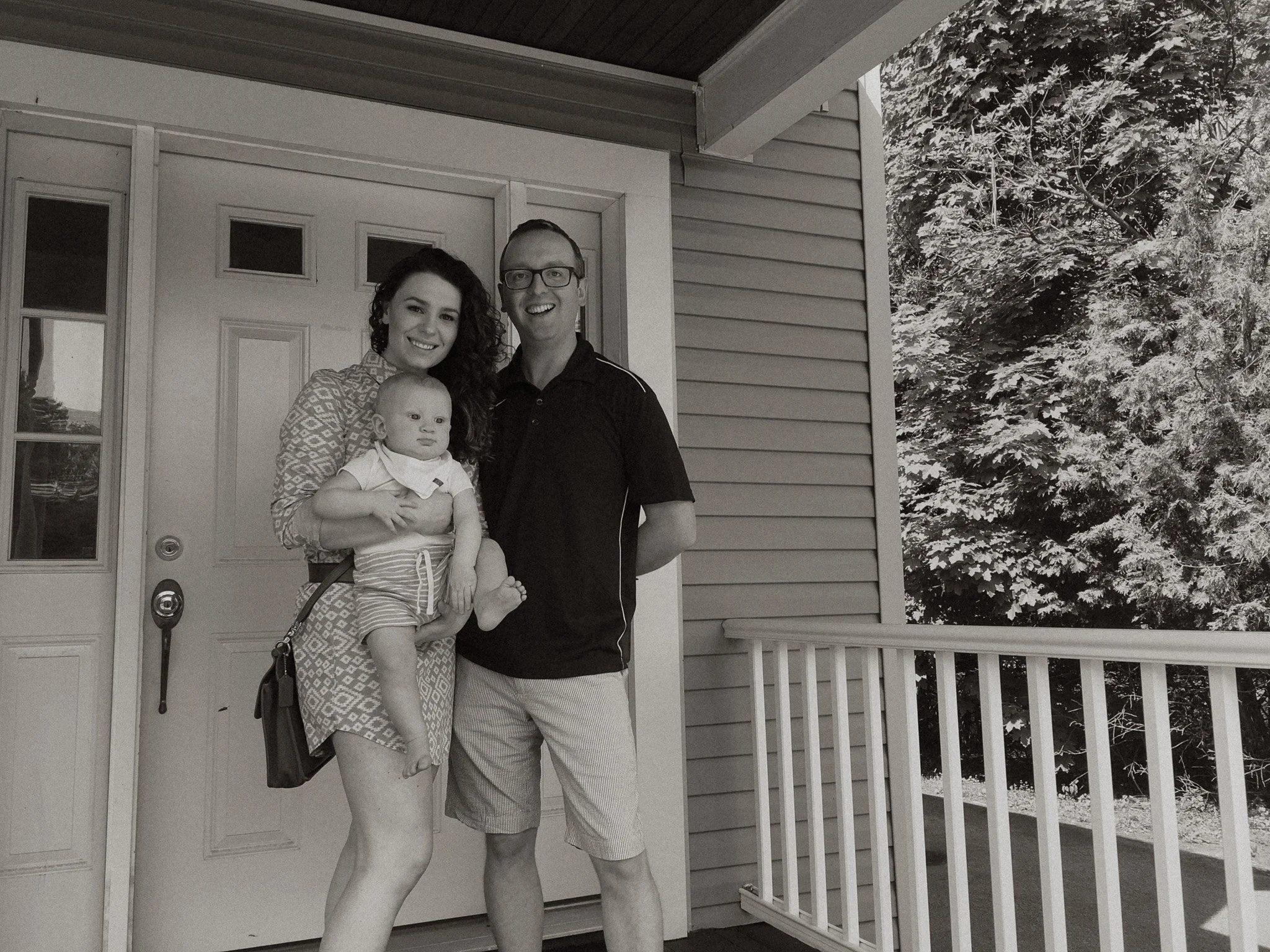
When we bought our house- originally built in 1912, it had been stripped of every single original detail. But instead of adding on or modernizing, we’ve been slowly coaxing it back to life.
A piece of recreated trim here.
A historic paint color there.
A custom-built cabinet tucked into an alcove that had been neglected.
We’re in no hurry. Meaningful things rarely are.
Our house isn’t big. It isn’t flashy. But it holds our boys’ laughter, our late-night conversations, our quiet moments over coffee, and our endless sketches and samples scattered on the dining table.
And when Daniel and I walk into buildings together, whether it’s a tiny chapel in Florence or a farmhouse in rural New York, we fall into our familiar rhythm:
He reads the bones.
I read the story.
And together, we understand the place.
Why We Stay in This Work
Restoration is not simply about bringing a home back to life.
It’s about meeting it where it is.
It’s about honoring the hands that shaped it.
It’s about making choices that will outlast us.
Daniel and I do this work because we believe that homes deserve caretakers. Because we believe craftsmanship is a form of devotion. Because we believe the past is worth carrying forward - not as nostalgia, but as responsibility. This isn’t just construction. It’s a continuation of something quietly, beautifully human.
Stewardship as Honor
We’re honored to work with clients who restore or reimagine homes with intention:
Who want to feel something when they walk inside,
Who want the walls to tell their story again.
Because timeless craftsmanship still matters.
And in our hands, it always will.