
Restoring the Details: Recreating Millwork for Historic Homes
The beauty is in the details and sometimes, in the details you have to recreate.
When we talk about restoring a historic home, most people picture grand staircases, ornate mantels, or the satisfying moment when old wallpaper gives way to fresh plaster. But more often than not, the true soul of a historic home is found in the subtle lines of its trim and moldings; the quiet craftsmanship that frames every door, window, and ceiling.
At C. Cooper Construction, millwork isn’t just a finishing touch, it’s a thread that ties generations of builders together. Whether we’re restoring a Greek Revival exterior from 1864 or replacing interior trim that’s been disturbed by new windows, our goal is always the same: to honor the home’s architectural language while ensuring it continues to tell its story for another hundred years.
Preserving a Greek Revival’s Dignity
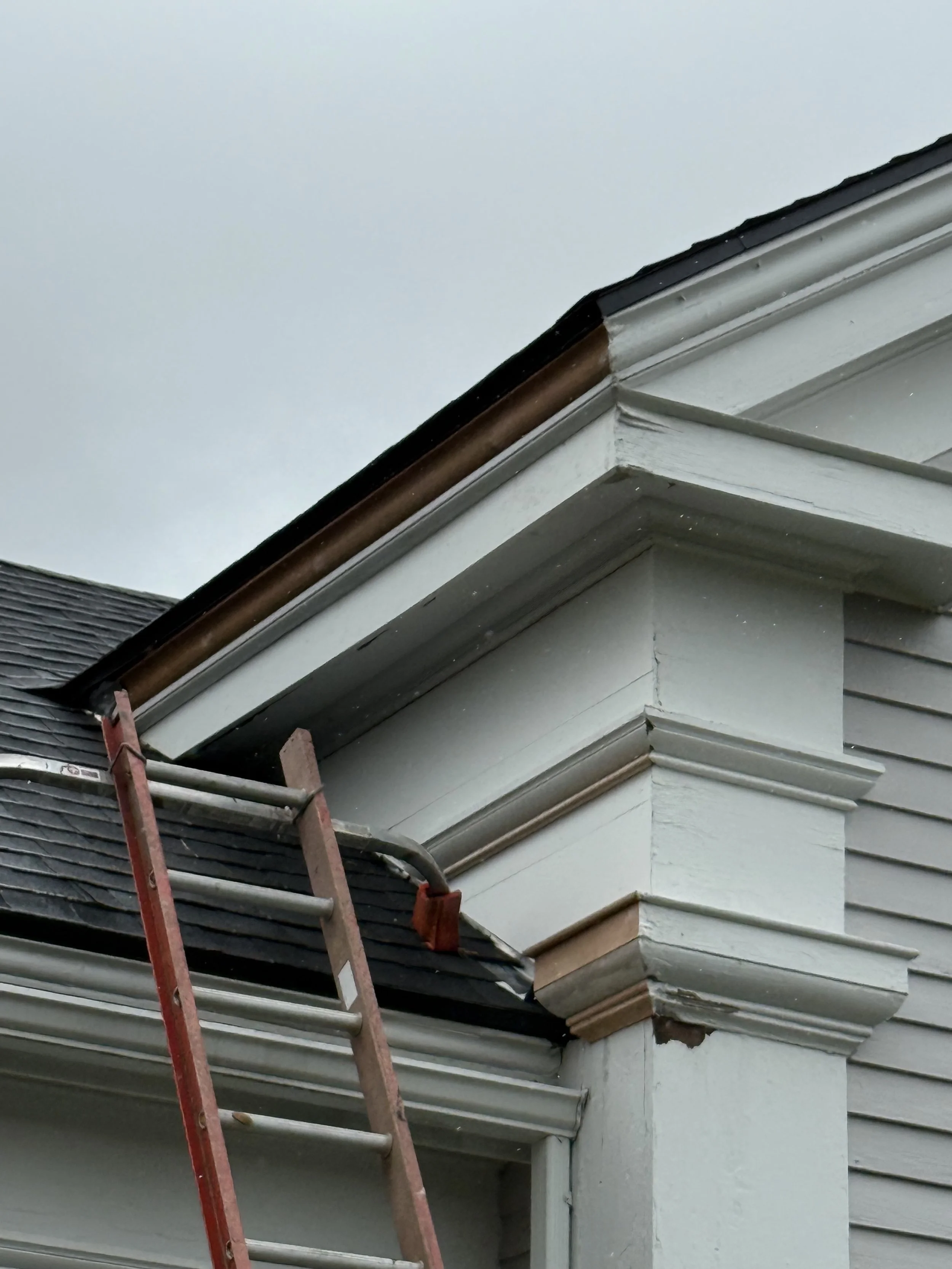
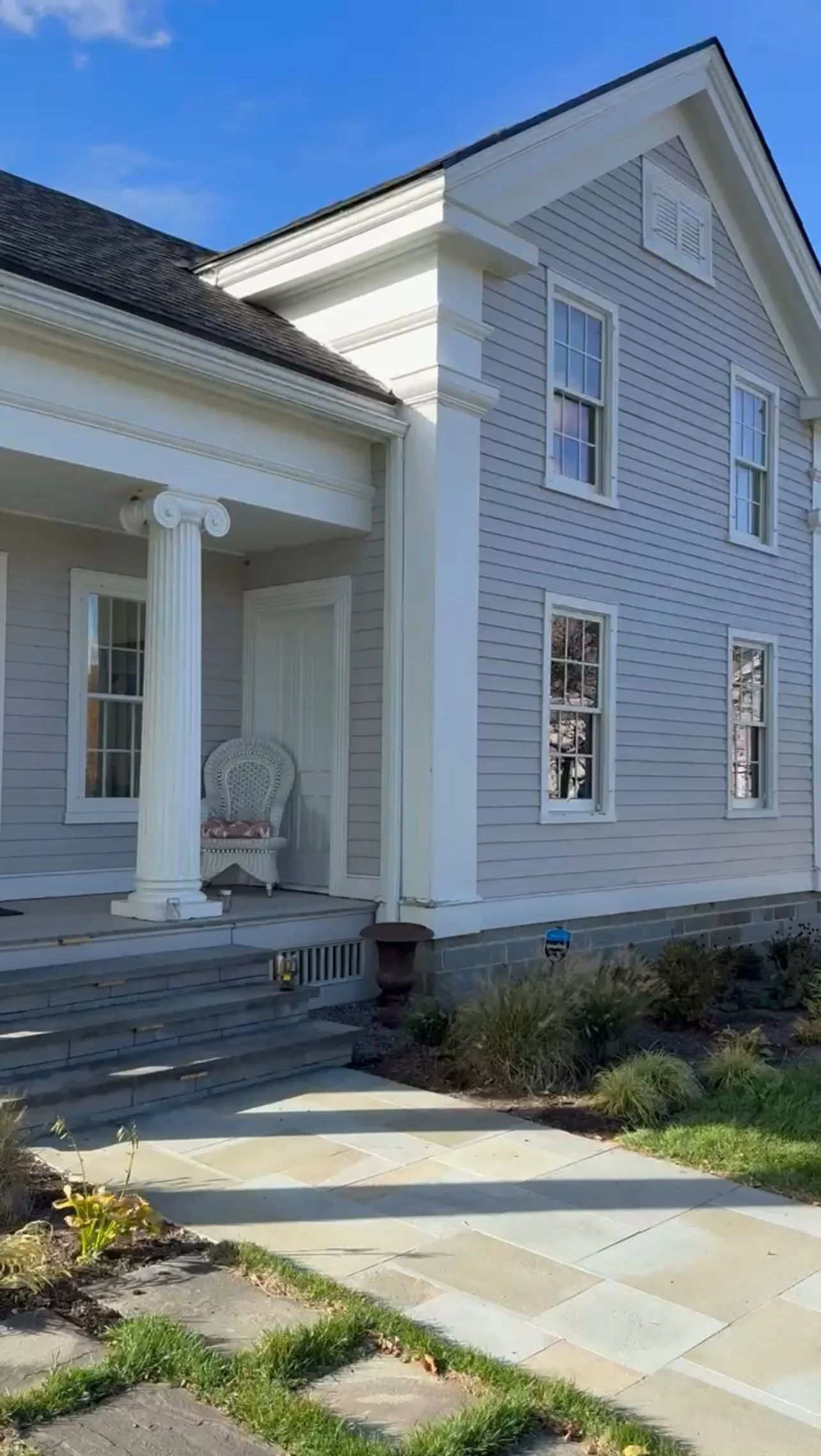
One of our recent projects involved a Greek Revival home that had seen more than a century and a half of Central New York winters. Years of deferred maintenance had taken their toll; rotted trim boards, soft sills, and misaligned moldings that once defined the home’s stately façade.
Rather than replace everything with modern stock profiles, the homeowners wanted to repair and restore wherever possible, and recreate only where necessary. We carefully documented every molding profile before beginning any removal, replicating damaged pieces so that new and original trim blended seamlessly. The result wasn’t a “new” house but instead it was a home that once again looked like itself.
Carrying the Character Inside
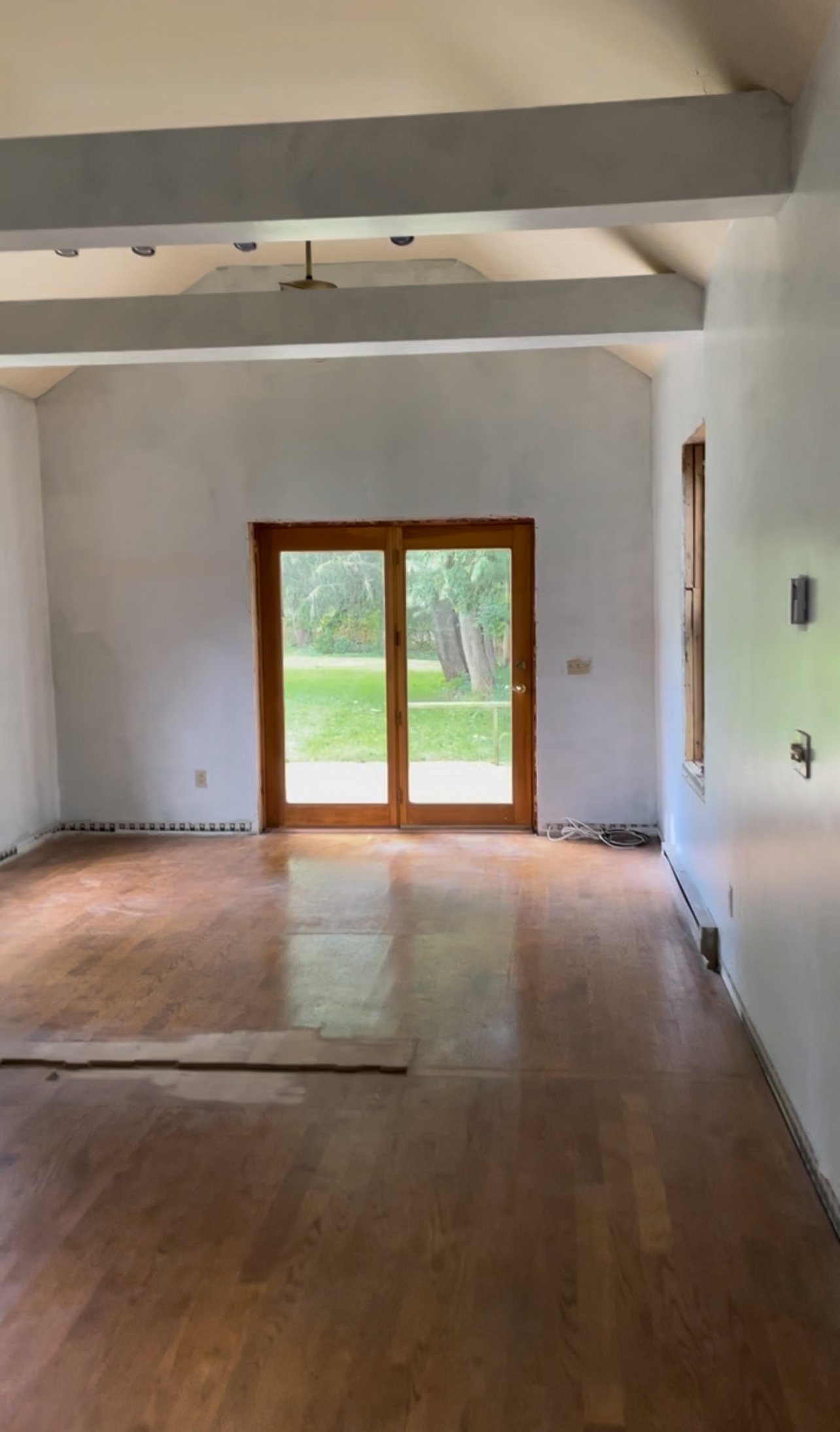
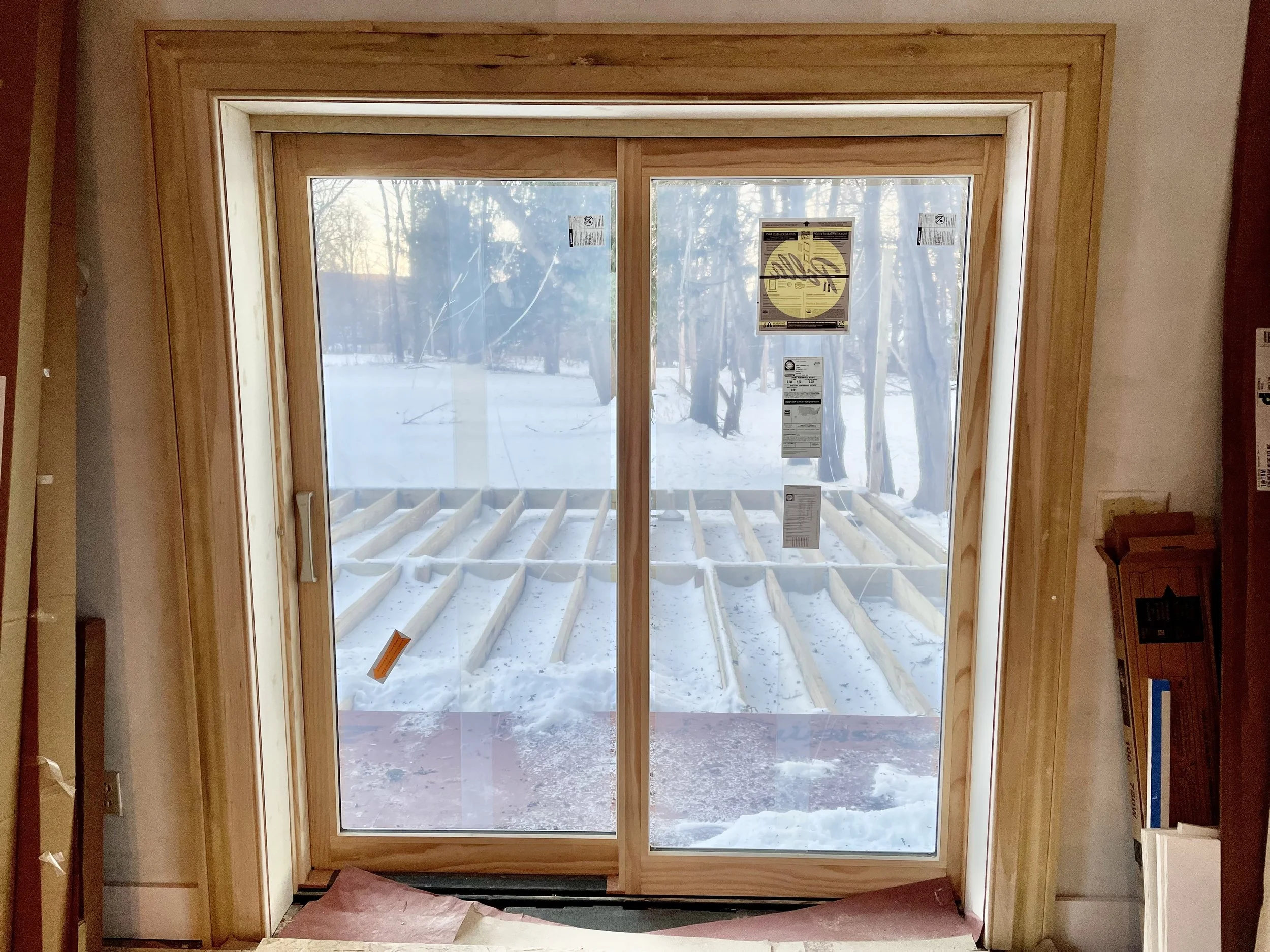
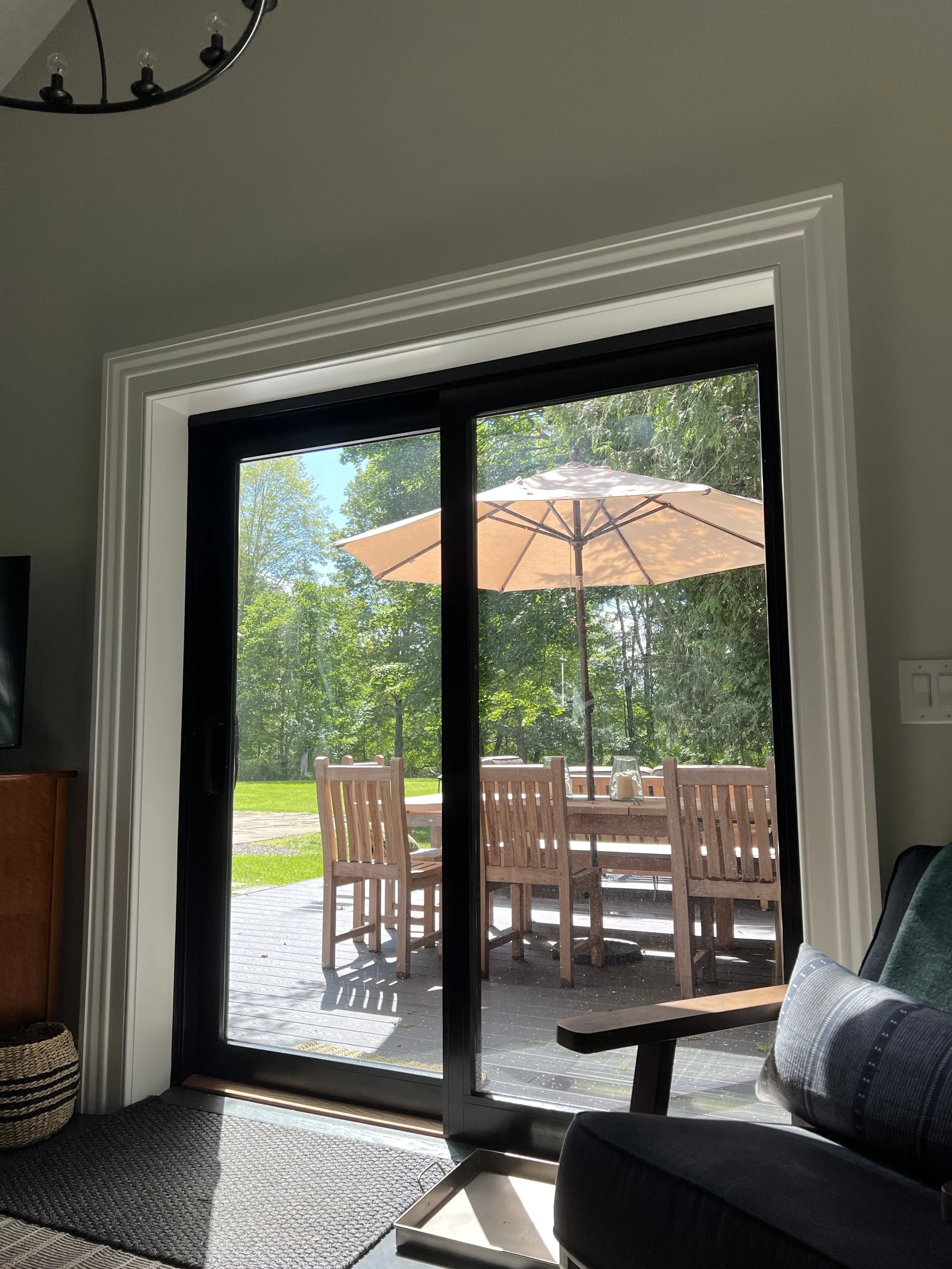
Inside a charming 1860’s cottage, new energy-efficient windows and a replacement door called for careful millwork replication. The original casings and baseboards had been crafted with a level of detail not found in modern off-the-shelf trim.
Each section we replaced was milled to match the original profile, not just in shape, but in proportion and depth. These subtle nuances matter. When you walk through a home where every line and reveal feels consistent, it’s a quiet reminder of the care that once went into every inch of construction.
Why We Keep the Craft In-House
While many firms send profiles out to large national companies for reproduction, we’ve chosen a different path. Our in-house millwork process allows us to recreate custom profiles one piece at a time with the same precision and pride that defined the original craftsmanship.
For projects that don’t require thousands of board feet, this approach helps us keep timelines tight and costs manageable. But more than that, it keeps the artistry alive. Each blade we design, each molding we run through our machine, connects us to a tradition of makers who understood that the beauty of a home lives in its details.
If a larger restoration, say a landmark hotel or historic university, called for full-scale production, we’d gladly collaborate with specialty mills. But for most of the homes we restore, keeping the process under our own roof ensures quality, consistency, and continuity; from the first sketch to the final coat of paint.
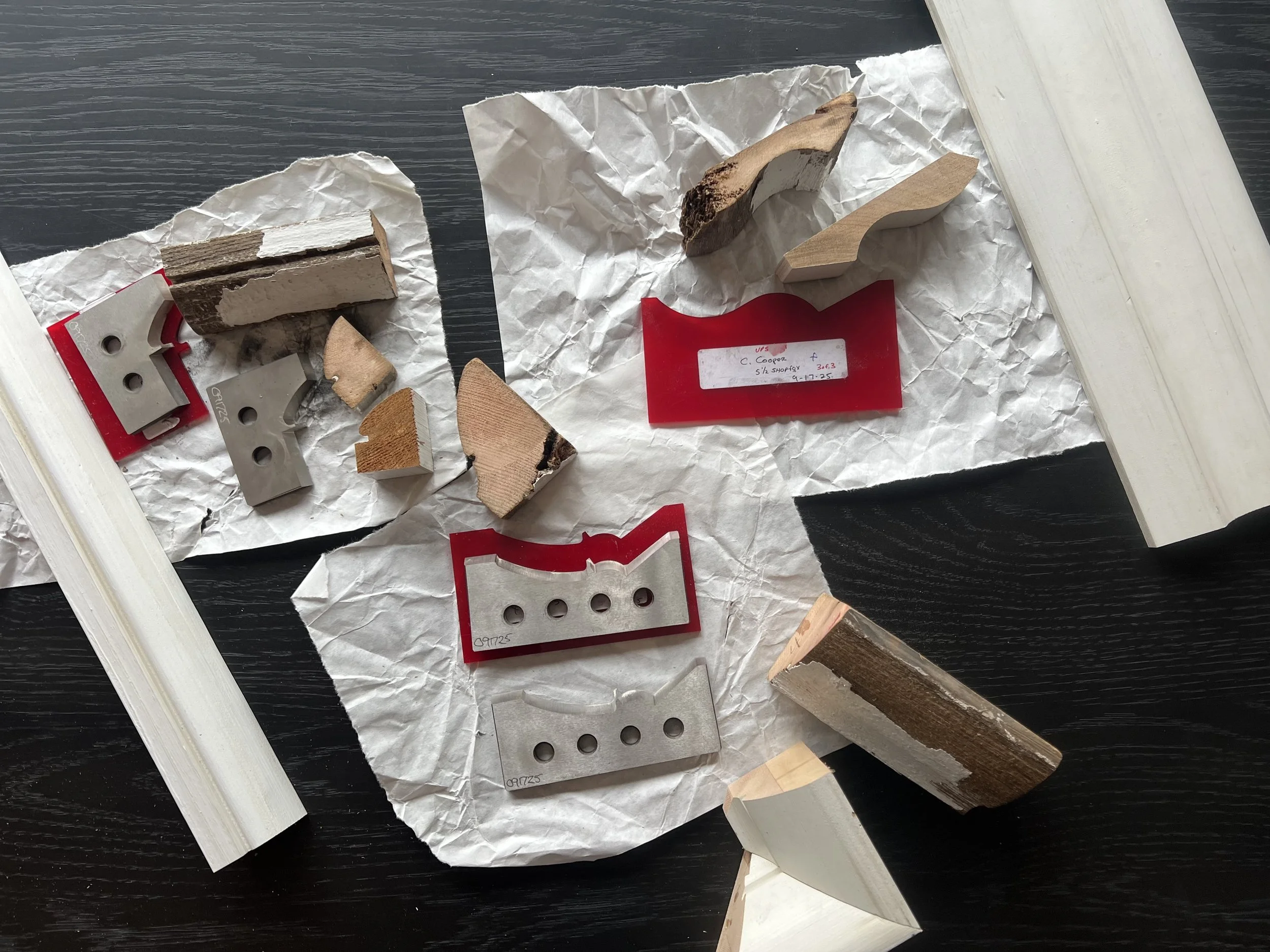
Laser-Cut Blades & Original Millwork Samples
Craftsmanship That Bridges Generations
Recreating millwork isn’t just about matching profiles. It’s about honoring the people who built these homes and ensuring that the next generation gets to experience their artistry.
In every project, whether we’re milling a new sill for a Greek Revival window or replicating interior casing in a mid-19th-century parlor, our goal is to carry forward what time tried to erase. Each board, each curve, each shadow line is a small act of preservation; a promise that timeless craftsmanship still has a place in modern construction.