
Planning a New Deck? 12 Questions to Ask Before You Build
A well-designed new deck can completely change the way you use your home. It becomes the place where you drink coffee before work, host family dinners on warm summer evenings, watch your children play in the backyard, or gather with friends long after everyone has wandered outside.
But the best decks rarely begin with choosing a material. They begin with better questions.
Before you compare composite to pressure-treated lumber or settle on a size, it's worth stepping back to think about how the space should actually serve your home and your family. How will you use it? Where should people naturally gather? Will it be sunny or shaded, private or open? What might you wish you'd planned for five years from now?
Thoughtful planning is often the difference between a deck that simply looks nice and one that becomes part of your everyday life. Here are twelve questions we encourage every homeowner to ask before building a new deck.
1. How Do You Want to Use the Space?
Everything starts here — not with dimensions, railing styles, or even decking materials.
Instead, imagine a typical Saturday. Are you drinking coffee while the neighborhood is still quiet? Hosting friends for dinner? Watching your kids chase fireflies? Grilling every weekend, or reading in the afternoon?
Your answers will influence almost every decision that follows. A deck designed for quiet mornings may look very different from one built to host graduation parties. Neither is better — they're simply built around different priorities.
2. How Many People Should It Comfortably Hold?
Think about the deck at its busiest. How will it function on a quiet Tuesday evening — and how will it feel during your annual family barbecue, when everyone spills outside at once?
Homeowners often plan for everyday life and get caught off guard by the gatherings. A space that's perfect for four can feel cramped the moment you're hosting twelve. It helps to picture both: the everyday rhythm and the handful of occasions each year when the deck has to stretch.
A deck doesn't need to be oversized. It simply needs to be scaled to the way you'll actually use it — the ordinary days and the big ones alike.
3. When Will You Use Your Deck — and What Will the Sun Be Doing?
Sun exposure is one of the most overlooked parts of planning a deck, yet it dramatically influences how comfortable the space feels throughout the year.
Start by thinking about when you'll use the deck most. Morning coffee before work? Family dinners on summer evenings? Reading on a Saturday afternoon, or watching the kids after dinner? Those answers matter, because the sun changes throughout the day and across the seasons.
A west-facing deck that feels wonderful in April can become uncomfortably warm on a sunny July afternoon. A heavily shaded deck, on the other hand, may stay damp longer after rain and feel cooler during the shoulder seasons.
Fortunately, sun exposure isn't something you simply accept — it's something you can design around. Depending on your property, you might consider:
A lighter-colored decking material that absorbs less heat than darker colors
A pergola that provides filtered shade while keeping an open feeling
A covered deck or roof structure if you'll use the space regardless of weather
Retractable awnings or shade sails for flexibility throughout the day
Landscaping that creates natural shade as trees mature
Every property is different, but thinking about sunlight early often leads to a deck that's far more comfortable for years to come.
4. Where Should the Stairs Go?
It seems like a small decision, but stair placement has a tremendous impact on how a deck functions. Stairs determine how people move between your home, yard, driveway, gardens, pool, patio, or fire pit. Poorly placed stairs can make a yard feel awkward; well-placed stairs can make an entire property feel intuitive.
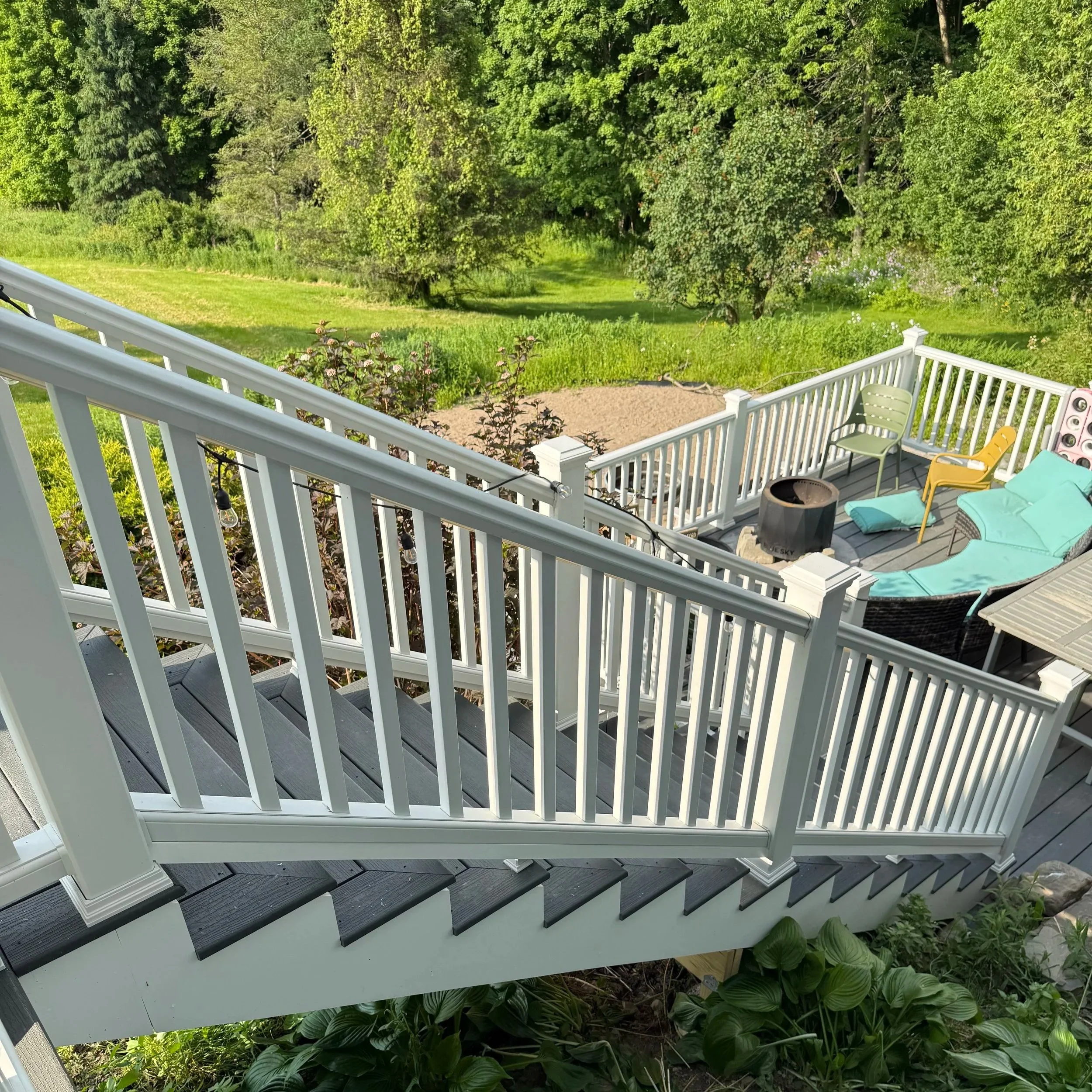
Before deciding where they belong, think about the paths people already take. Where do you naturally walk when you step outside? Where do the kids run? Where's the grill? Could the stairs eventually connect to a future patio?
The goal isn't simply to create access. It's to make movement feel effortless.
5. What Do You Want to See — and What Would You Rather Not?
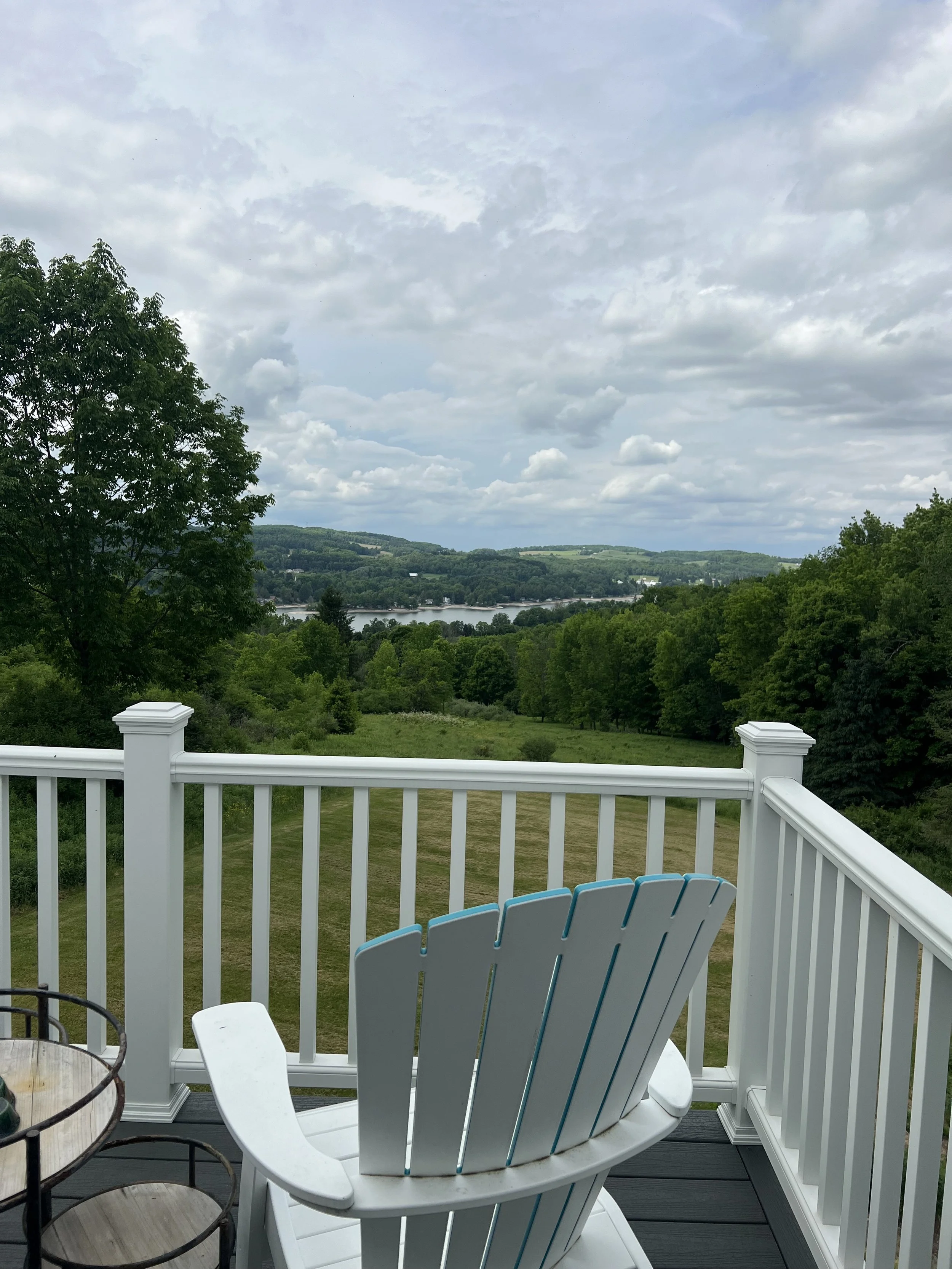
One of the greatest benefits of a deck is that it changes how you experience your property. Done well, it frames beautiful views, connects your home to the landscape, and creates a comfortable place to relax. But it can also unintentionally highlight things you'd rather not notice — a neighbor's garage, a busy road, utility equipment, or a direct line of sight into the next yard.
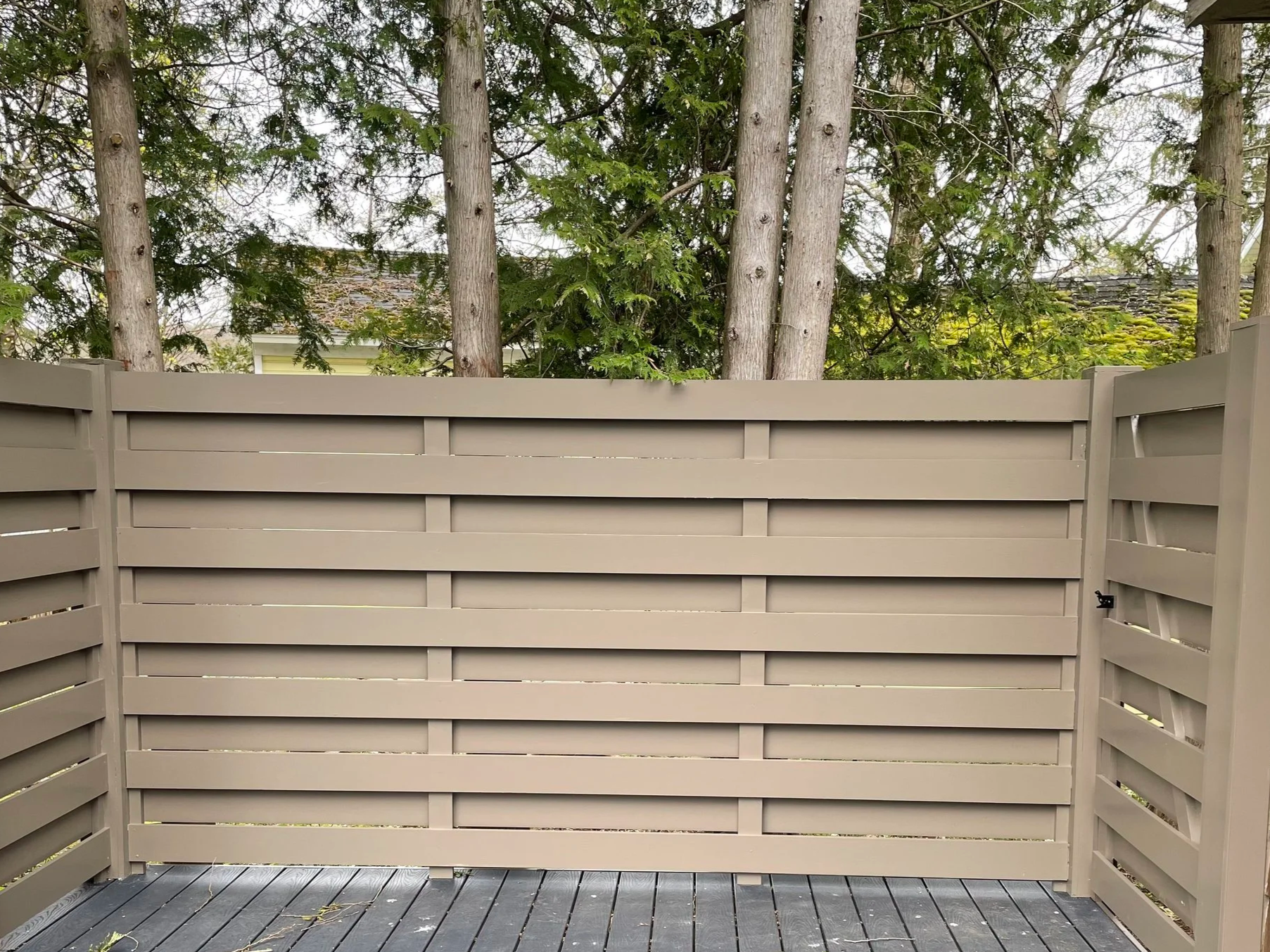
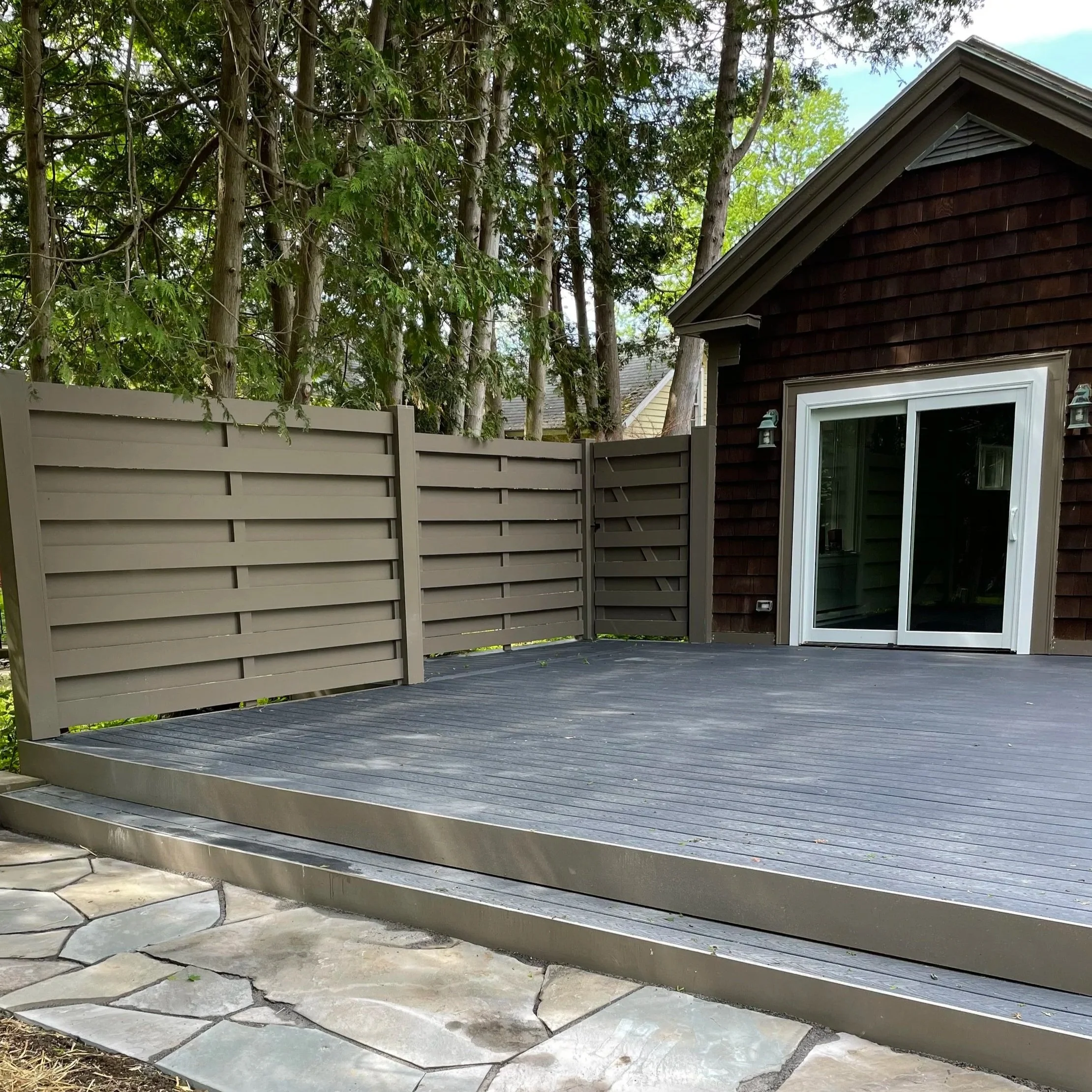
A privacy fence can make decks installed in even the busiest neighborhoods feel more secluded.
Before finalizing a design, spend a little time standing where the deck will be. What catches your eye? What do you naturally look toward? And just as importantly, what would you rather soften or screen?
There are plenty of thoughtful ways to improve privacy without making a space feel closed in. Depending on the height and layout of your deck, you might consider:
Privacy fencing for lower decks or spaces close to neighboring properties
Decorative privacy screens integrated into the railing
Pergolas with climbing plants
Large planters that provide seasonal screening
Strategic landscaping
Reorienting the deck or adjusting stair placement to change sightlines
Sometimes a relatively small design decision completely changes how private and inviting a deck feels.
6. Have You Planned Around Your Furniture?
Here's one of the simplest exercises you can do before construction: measure your outdoor furniture. If you haven't bought it yet, stake or mark the dimensions onto your lawn and walk through the space.
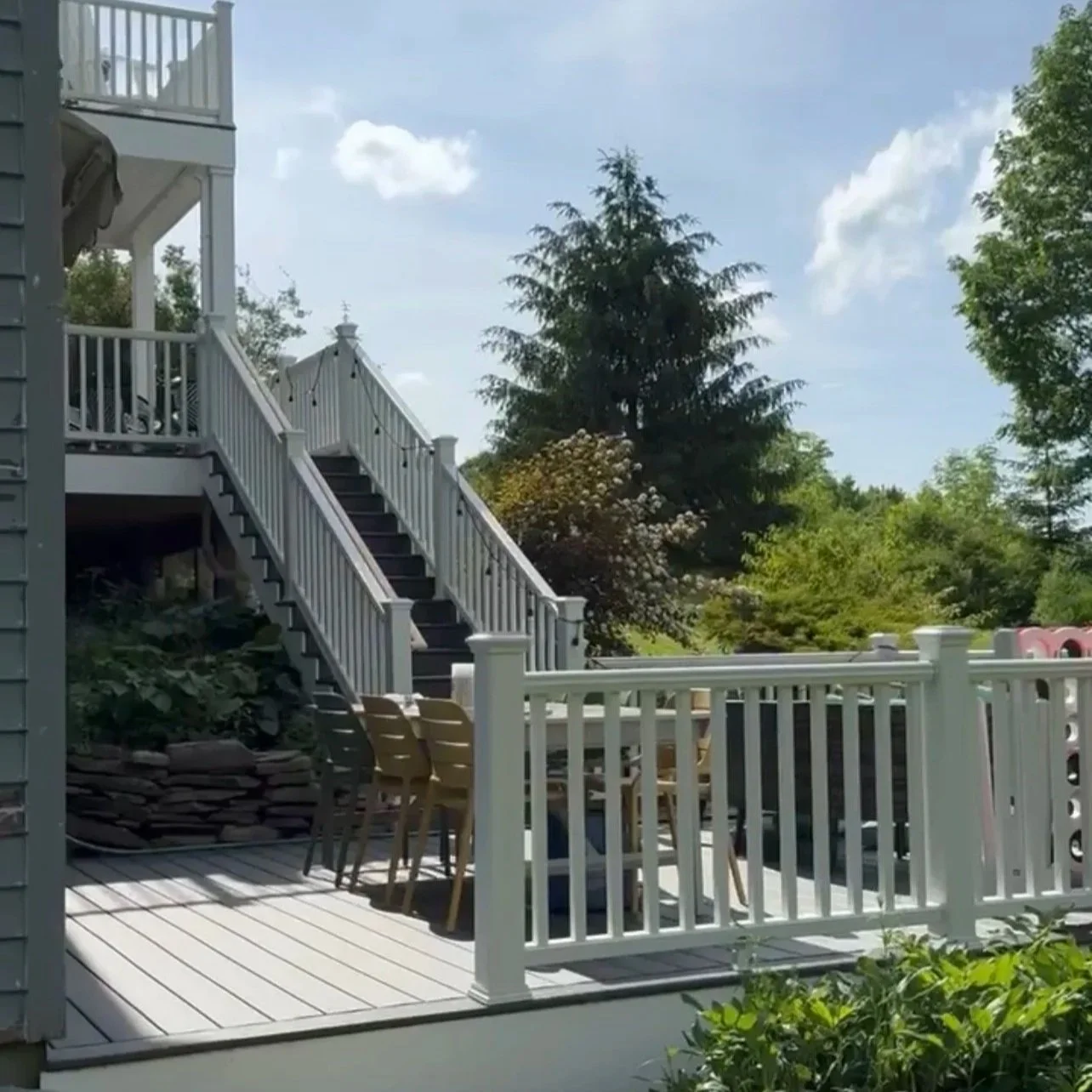
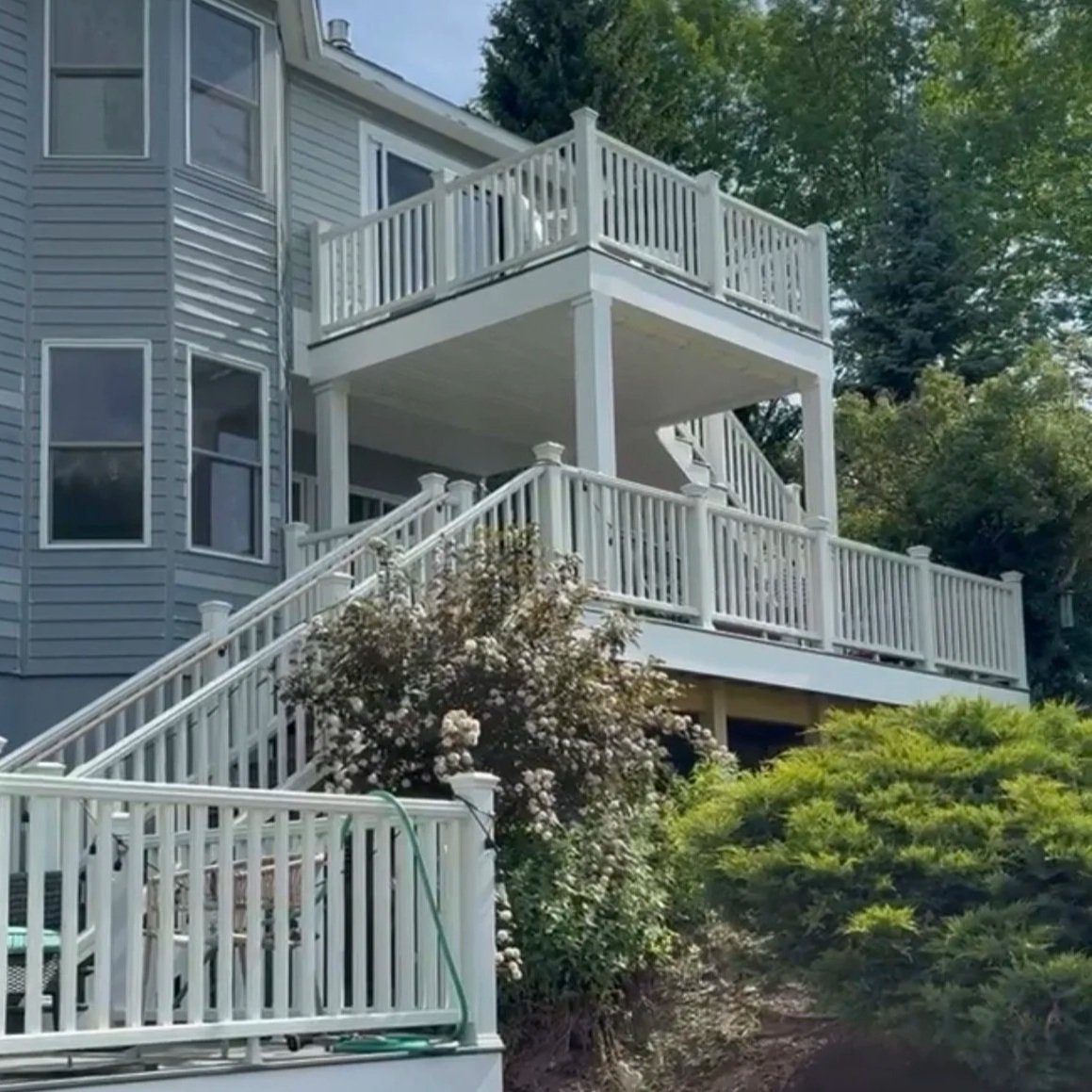
Planning for stairs, shade & landscaping.
These composite decks were part of a larger exterior home improvement project. Careful consideration was given to the way the balcony, decks, stairs, landscaping and awning tie into each other.
You'll quickly see how much room is actually needed for:
Dining tables — with chairs pulled out
Outdoor sofas and lounge chairs
A grill, with safe working space around it
Clear walkways between everything
Planters, umbrellas, coolers, and storage
Where Question 2 is about how many people the deck holds, this is about what goes on it. Marking it out turns abstract dimensions into something you can stand inside — and it often reshapes how homeowners think about size and layout before a single board is cut.
7. How Much Maintenance Fits Your Lifestyle?
Every decking material comes with its own strengths and tradeoffs, and the right one depends less on which is "best" than on how you want to spend your time.
Some homeowners genuinely enjoy caring for natural wood — the seasonal rhythm of cleaning and sealing. Others would rather spend every free weekend using the deck, not maintaining it. Neither approach is right or wrong; the goal is simply to match the material to the way you live.
The differences between pressure-treated lumber, cedar, composite, PVC, and premium hardwoods — and the upkeep each one asks of you — are worth understanding before you decide.
Want the full breakdown? Read our complete guide:How to Choose the Right Deck Material.
8. Build for Tomorrow, Not Just Today
One of the most valuable planning exercises has nothing to do with what you want today. Instead, ask: what might we wish we'd planned for five or ten years from now?
You don't have to build everything at once. But a little forethought now can save real money and disruption later. Could you eventually want:
Deck lighting
Additional electrical outlets
A pergola or covered roof
A screened porch
Built-in seating
A hot tub
An outdoor kitchen
Speakers
Wide stairs leading to a future patio
Many of these are far easier — and significantly less expensive — to plan for before construction begins than to retrofit afterward.
9. Are There Drainage or Moisture Concerns?
Decks spend their entire lives outdoors. In Central New York, that means snow, rain, humidity, falling leaves, and repeated freeze-thaw cycles — so water management deserves just as much attention as the finished appearance.
A few questions worth asking early: Does the site drain well? Will snow pile against the framing? Can air circulate beneath the deck? Is water directed away from the house? Proper flashing where the deck attaches to your home matters especially, because that connection is one of the most vulnerable points for moisture intrusion.
Drainage isn't glamorous. But it's one of the biggest contributors to how long a deck lasts.
10. What Should Your Budget Include?
When homeowners think about the cost of a deck, they often picture the decking boards. In reality, the investment includes much more. A complete budget may account for:
Design and planning
Permits
Demolition
Footings
Structural framing
Decking
Railings and stairs
Lighting and electrical work
Privacy features
Landscaping repairs
Furniture
Planning honestly from the beginning is the surest way to avoid surprises later. It's also why a price quoted "per square foot" rarely tells the whole story — the structure, site work, and finishing details below and around the boards are where much of the real investment lives.
11. What Does the Planning Process Look Like?
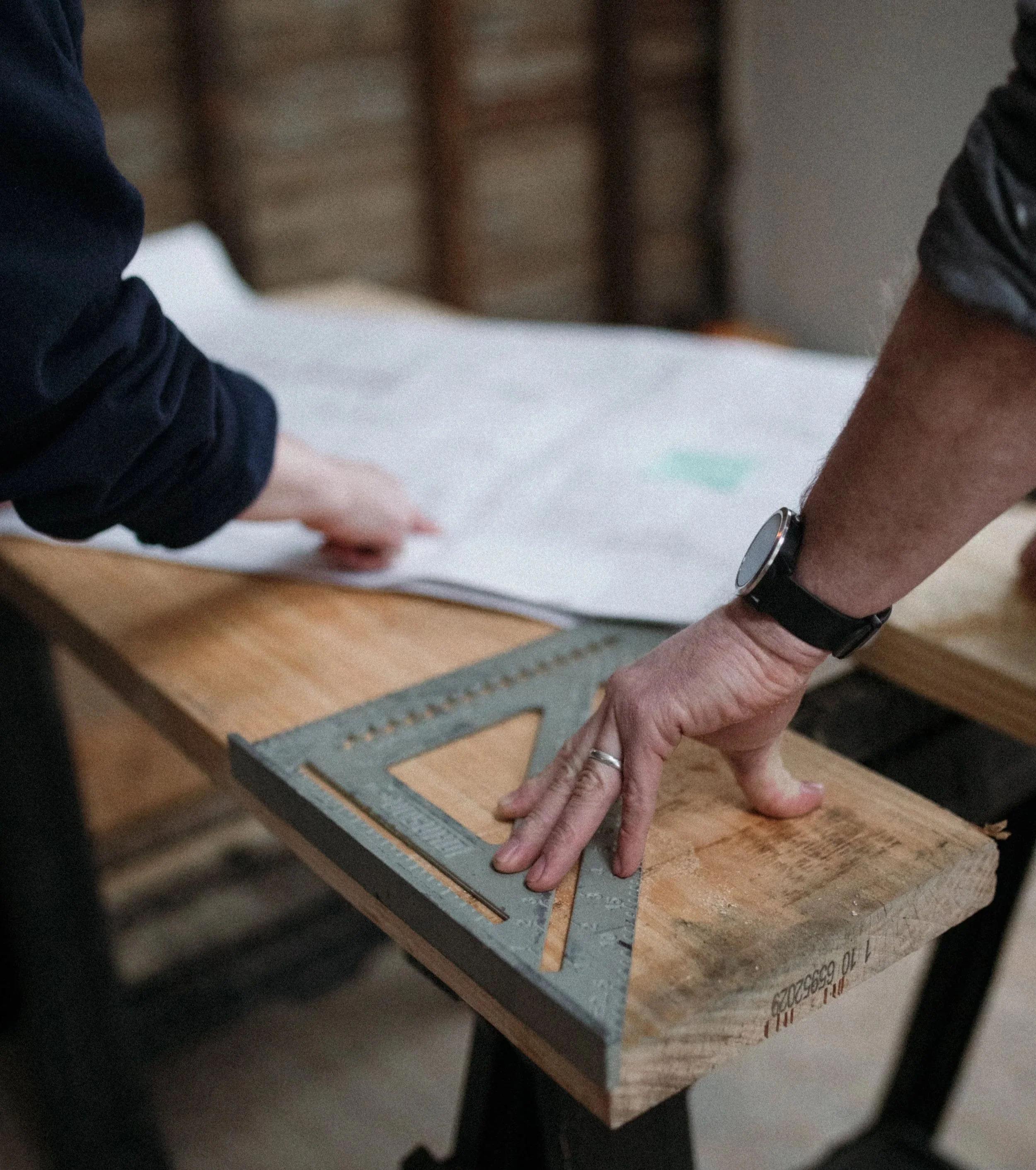
Decks are structural additions to your home. In many Central New York municipalities, they require permits, inspections, and compliance with residential building codes — and depending on the complexity of the project and your local building department, engineered drawings or stamped plans may be required as well.
Every municipality is a little different. One advantage of working with an experienced contractor is having someone help navigate those requirements before construction begins, rather than discovering them mid-project.
12. Who Is Building It?
Choosing the right contractor is every bit as important as choosing the right decking material. Look for someone who listens before they recommend — someone who asks how you'll use the space, not just what color decking you prefer.
Ask about:
Experience
Insurance
Permits
Communication
References
Warranty
Construction practices
The goal isn't simply to hire someone who can build a deck. It's to find someone who will help you build the right deck.
A Well-Planned Deck Feels Effortless
We've never met a homeowner who wished they'd spent less time planning. We've met many who wished they'd thought through one more detail before construction began.
The best decks aren't defined by the material they're built from or how large they are. They're defined by how naturally they fit the home and the people who use them.
At C. Cooper Construction, we believe planning is part of craftsmanship. Before we recommend products or discuss finishes, we want to understand how you live, how you gather, and what you hope your outdoor space becomes. Because the best deck isn't the one that looks most impressive on day one. It's the one that's still serving your family beautifully ten or twenty years from now.