Working With the Quirks: How We Approach Plaster Walls in Historic Homes
Every historic home carries its own story and nowhere is that more apparent than in its walls. Step inside a 19th-century house and you’ll find stories embedded in every crack, curve, and patch of plaster. Those slight undulations aren’t flaws; they’re the evidence of generations past. But when it comes time to renovate, those same walls demand care, knowledge, and a deliberate balance between preservation and performance.
Understanding Plaster’s Character
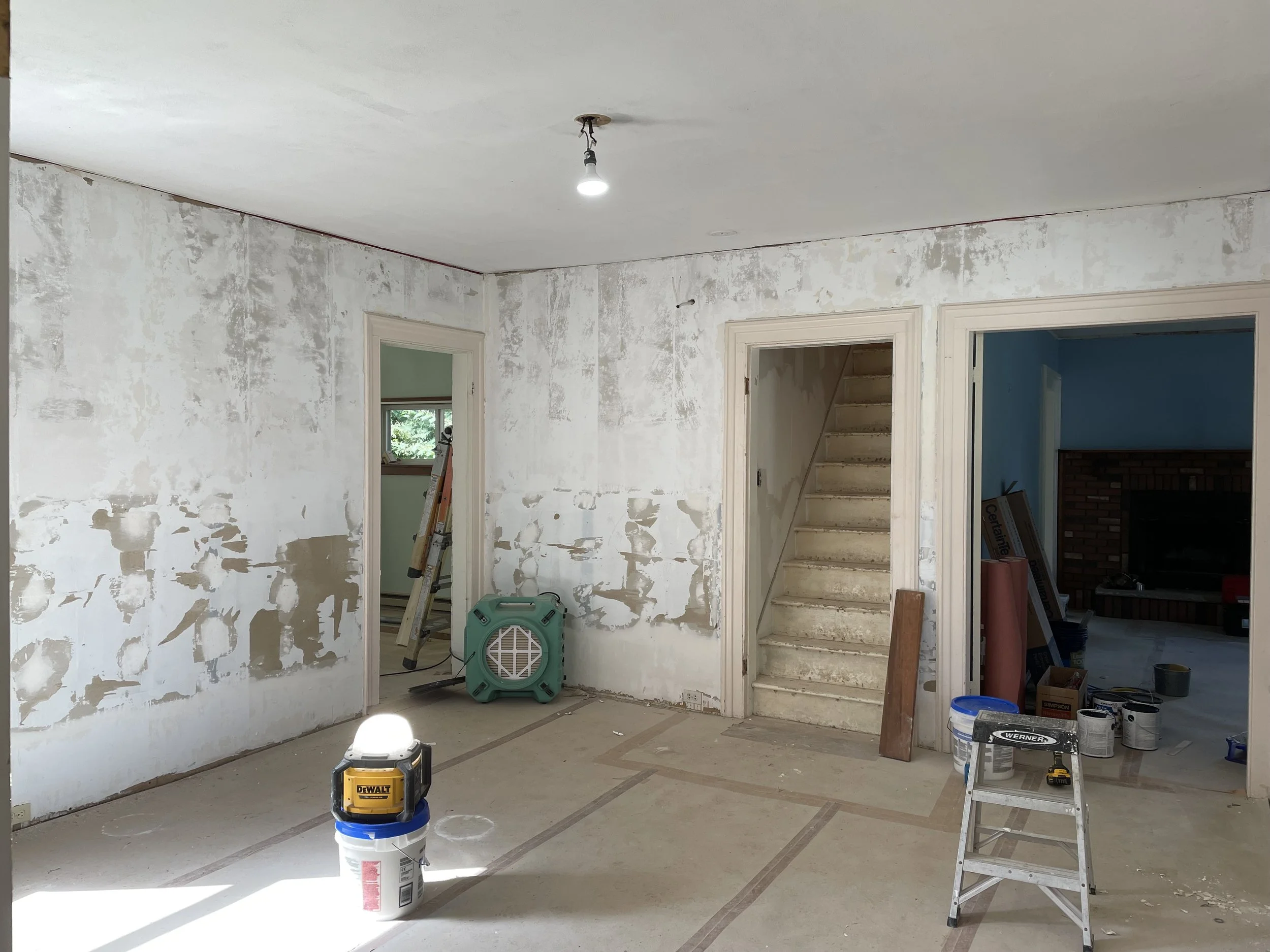
Unlike modern drywall, plaster has a life of its own. It expands and contracts with the seasons, absorbs and releases humidity, and can last centuries when maintained properly. In many of Hamilton’s 1800s-era homes, including this cedar-shake beauty we recently restored, we aim to preserve plaster whenever possible; not just for authenticity, but because it’s often the more cost-effective and sustainable choice.
When the plaster is still structurally sound, our team repairs rather than replaces. We inject a specialized construction adhesive through small holes, gently clamp the plaster back to its original lath using dedicated fasteners, and allow it to cure before applying a skim coat. In some cases, we’ll seal the surface to prevent further degradation. The result is a wall that looks renewed but retains its original character; a quiet nod to the home’s history beneath the finish.
Knowing When to Repair vs. Replace
Plaster repair isn’t a one-size-fits-all decision. Sometimes, sections have crumbled beyond saving especially in homes that endured long, cold winters without consistent heating. In Central New York, where summers are humid and winters bitter, those extreme fluctuations cause expansion, contraction, and ultimately cracking and separation.
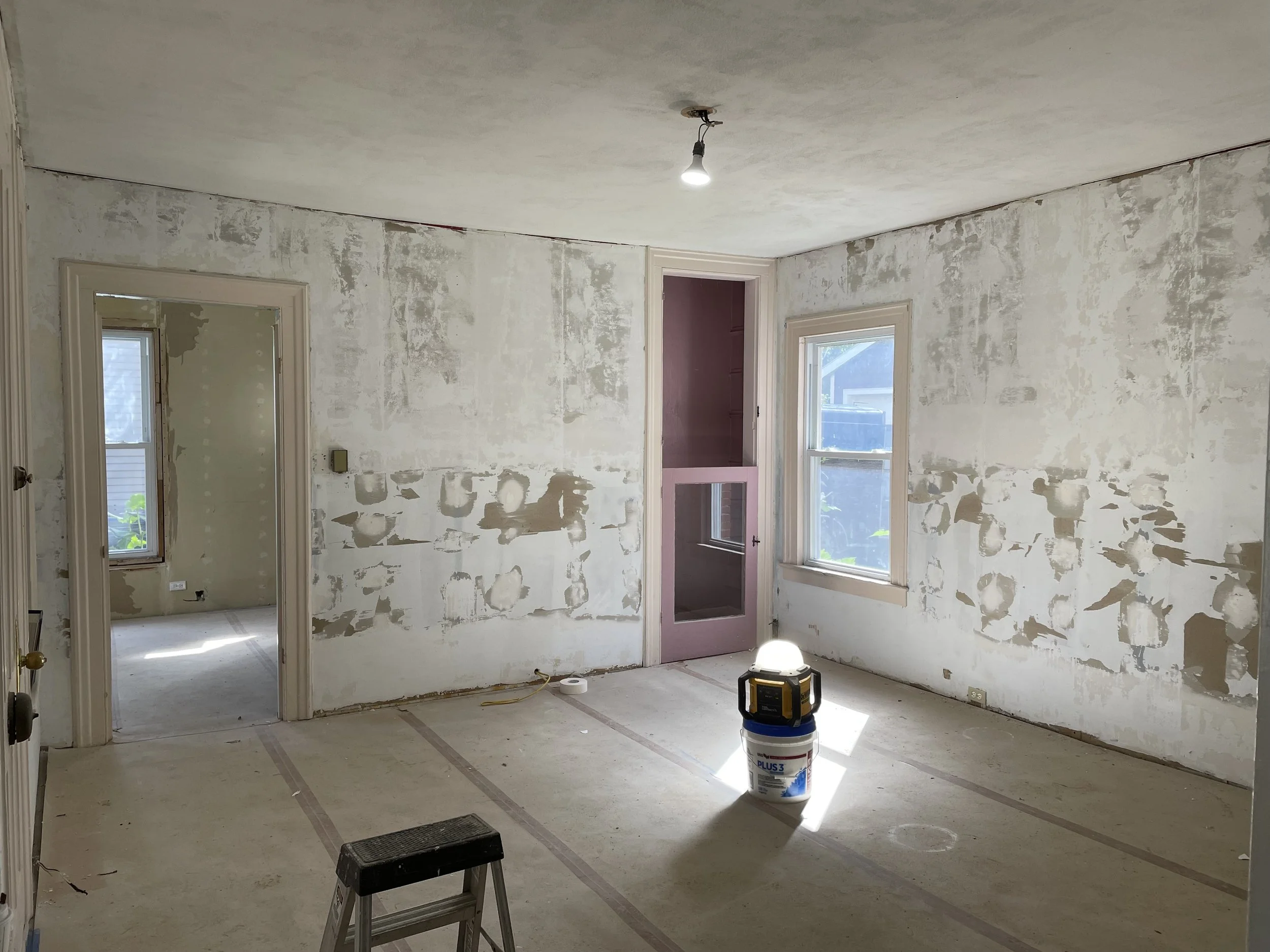
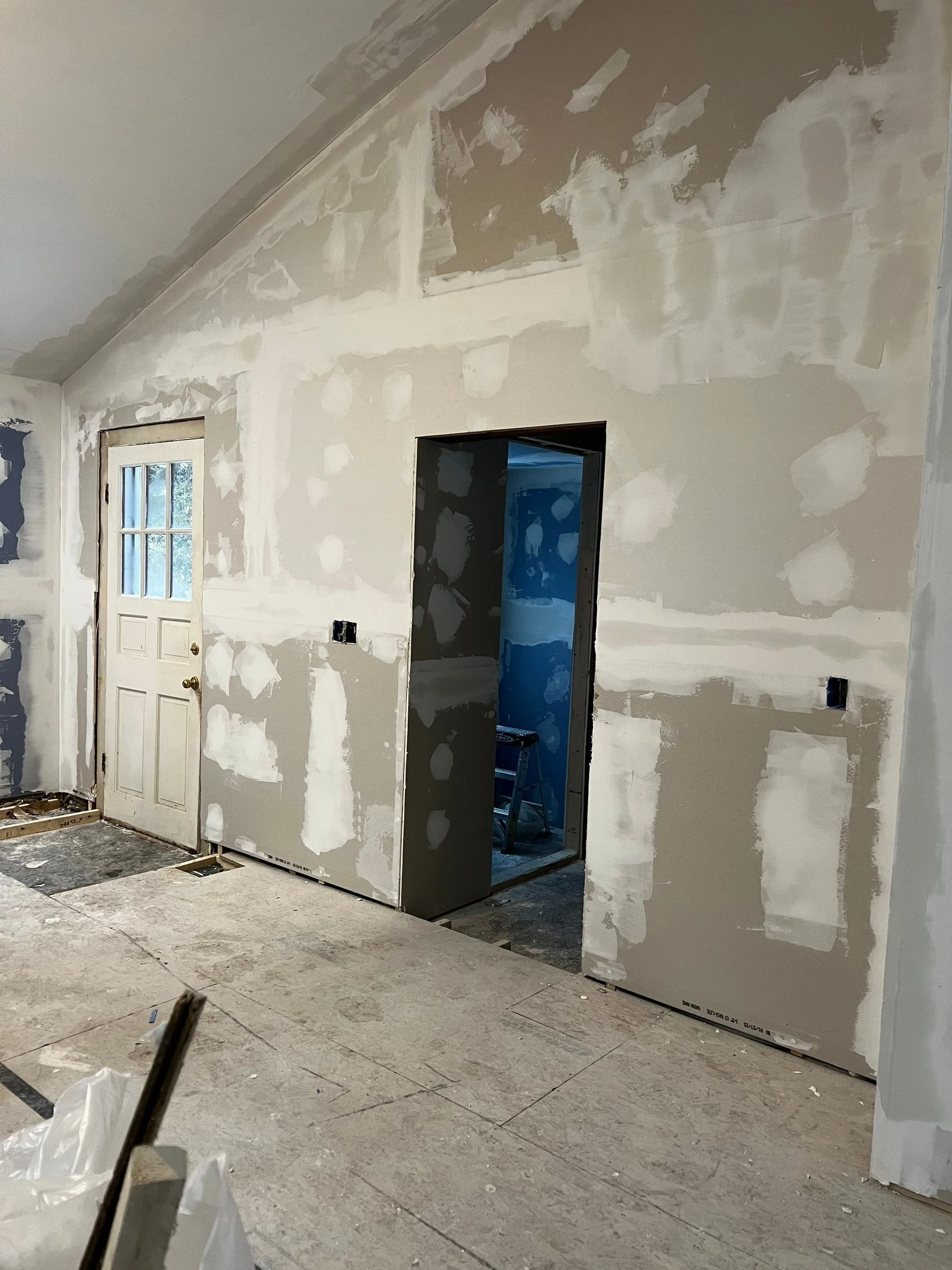
When plaster has lost its keys or disintegrated into dust, we remove only the affected portions and replace them with drywall, carefully blending the transition so it disappears within the larger plane of the wall. Repair can also be the safer route when asbestos is suspected behind old finishes. In those cases, we contain the work area and avoid a full gut whenever possible.
The key is knowing when each approach makes sense. A single home might require three different strategies from room to room, depending on its history and condition.
Embracing Imperfection as a Design Opportunity
One of the most rewarding parts of working in older homes is teaching clients to see beauty in imperfection. We make it a point early on to clarify expectations: a historic home will never have perfectly flat walls. And that’s a good thing. Those gentle waves, hairline cracks, and uneven planes are what give the home warmth and authenticity.
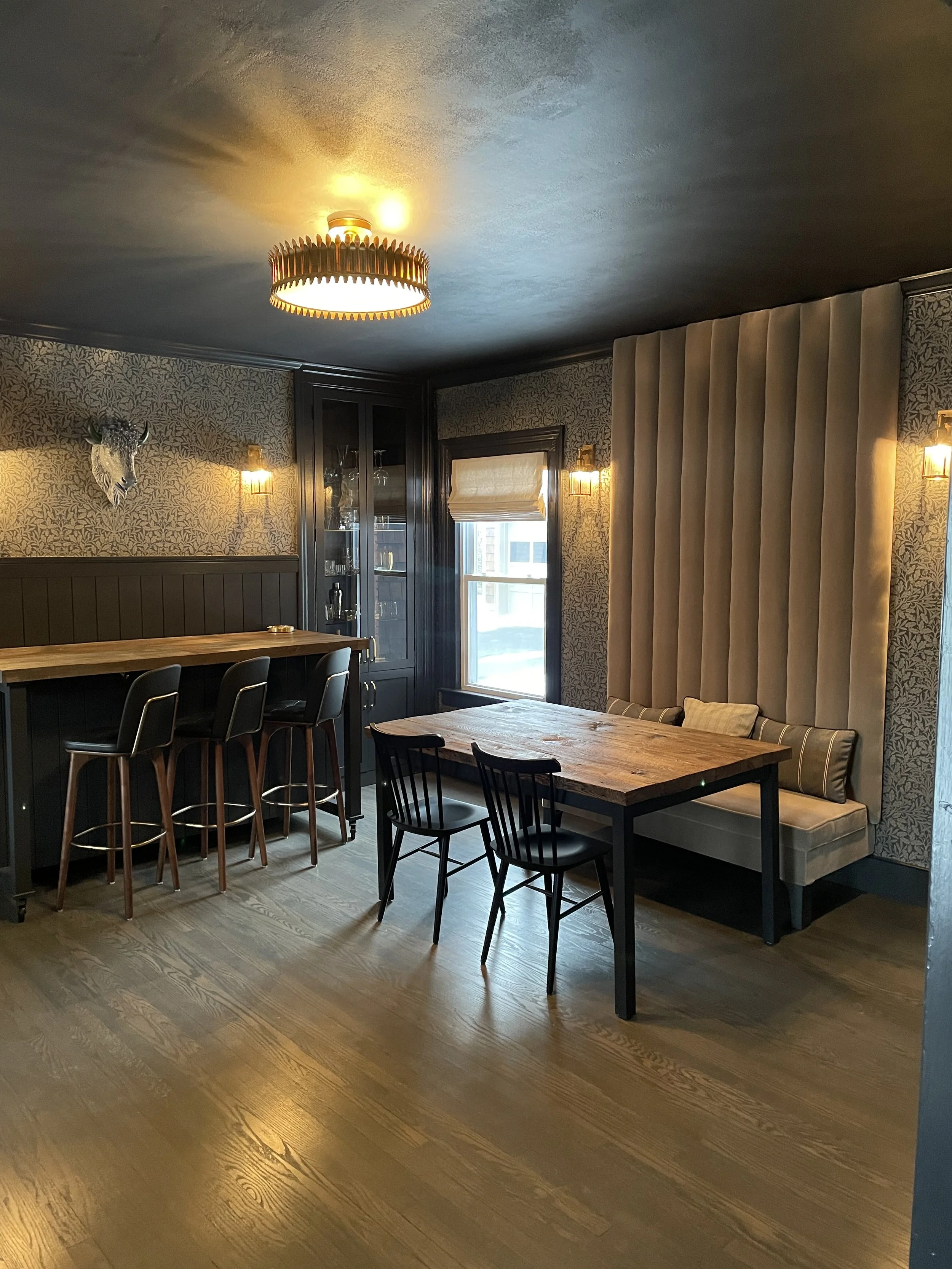
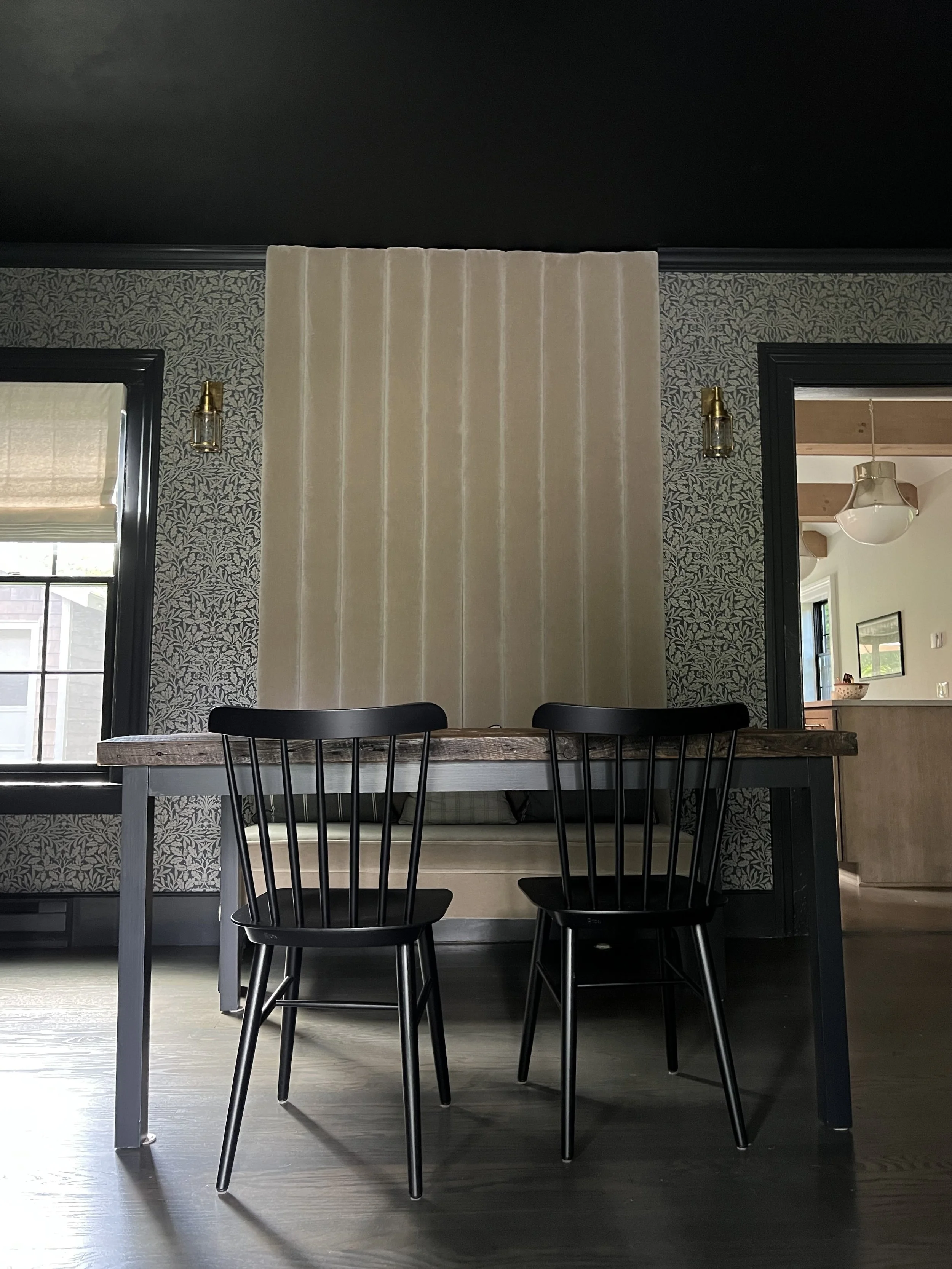
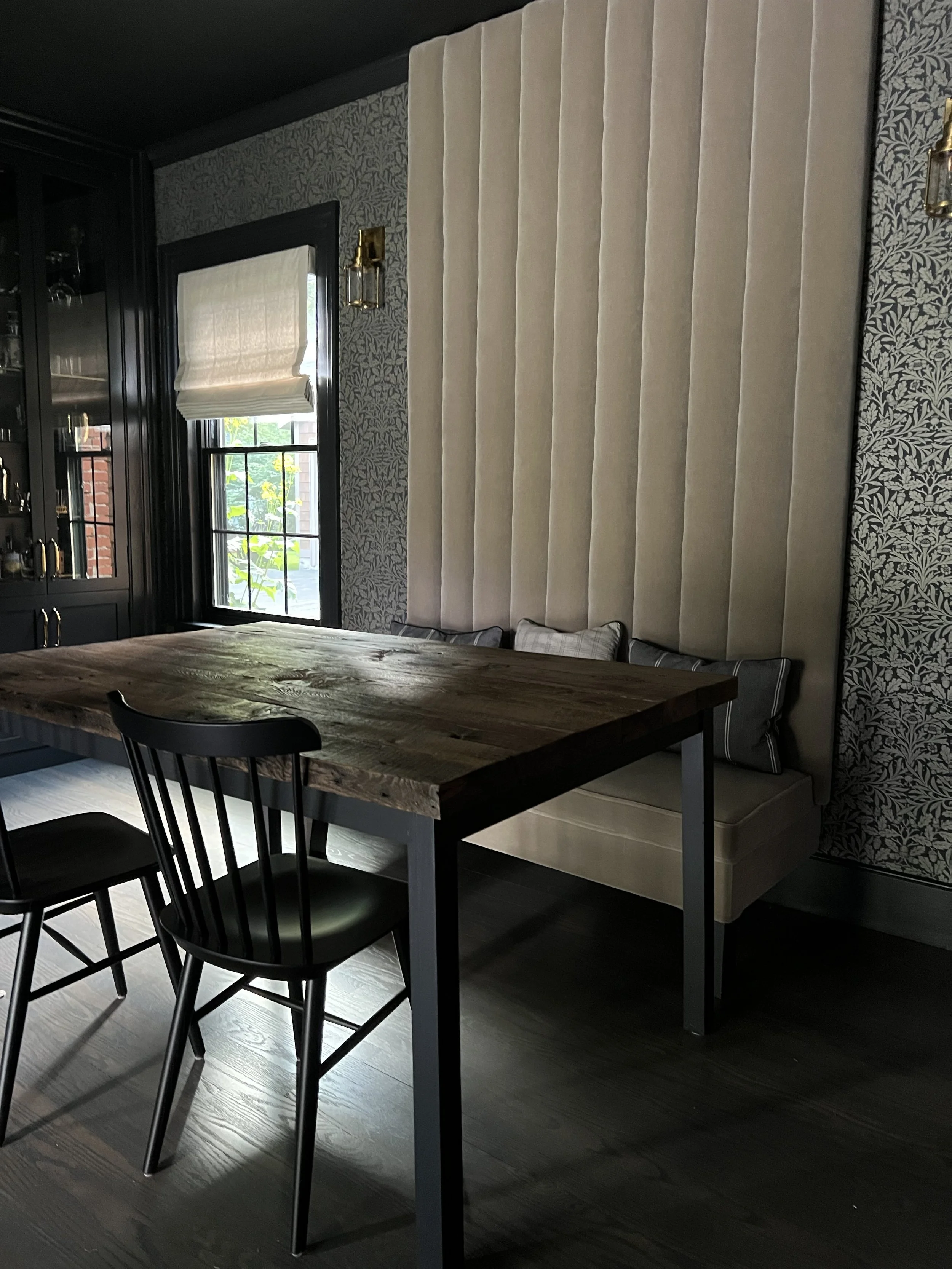
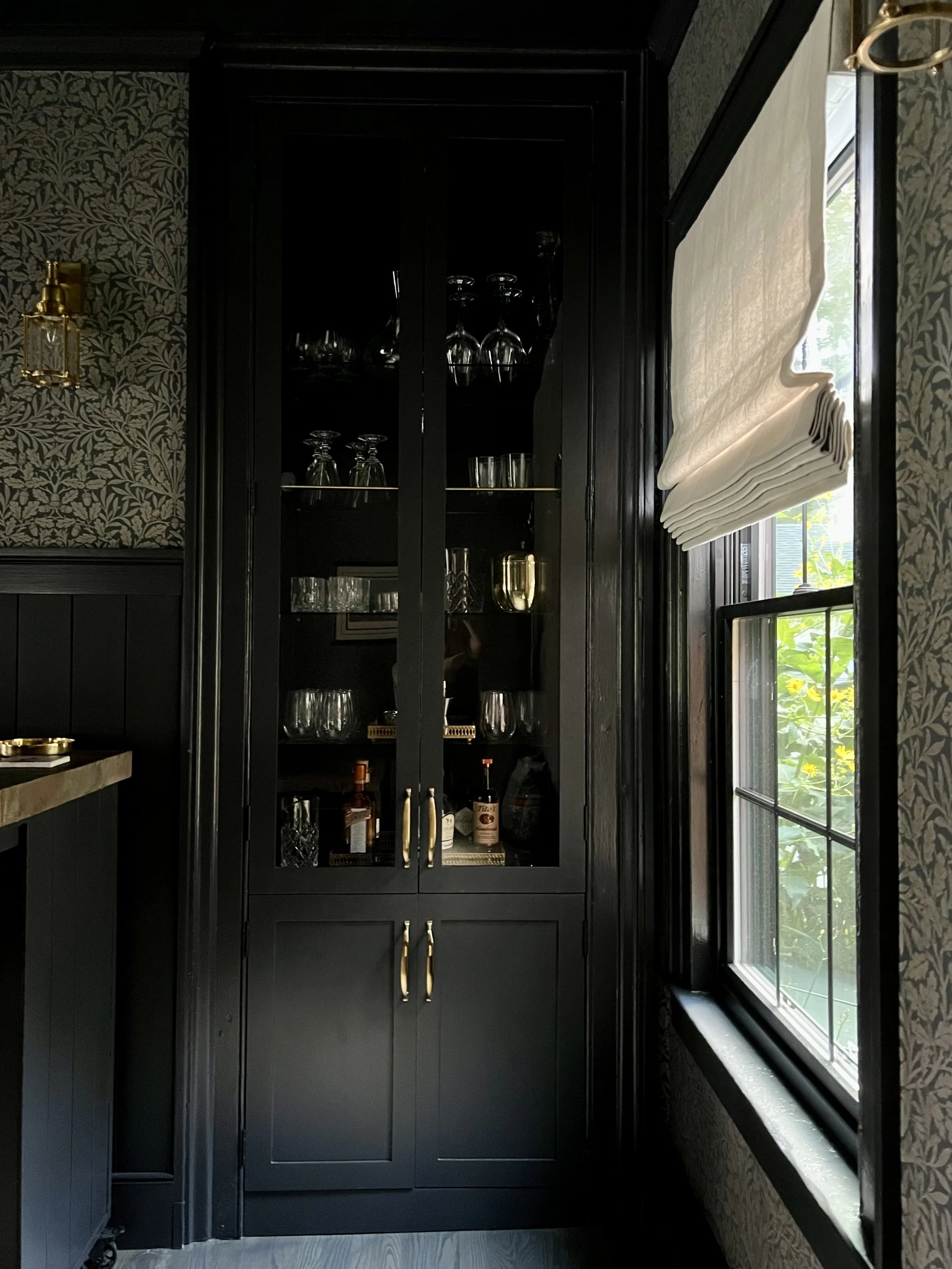
Rather than fighting every flaw, we often lean on design to complement the structure. In the Hamilton dining nook shown here, millwork, matte finishes, and patterned wallpaper create visual harmony while minimizing minor wall and ceiling irregularities. Dark, low-sheen paints absorb light rather than reflecting it, while tailored paneling and built-ins add rhythm and dimension. The result feels intentional, layered, and true to the home’s age.
What Homeowners and Builders Should Know
If there’s one lesson we’ve learned from years of restoring plaster walls, it’s this: no two surfaces tell the same story. Repair isn’t always the right answer, but neither is replacement. A thoughtful approach considers structure, safety, budget, and aesthetics equally.
For homeowners, the most important takeaway is to trust experience over expedience. A builder who understands both building science and preservation will know how to weigh those factors. And for fellow builders, it’s worth remembering that restraint can be just as valuable a skill as craftsmanship. Sometimes the best work is the kind that disappears.
At C. Cooper Construction, our work in Hamilton and throughout Central New York centers on preserving the artistry of 19th-century homes from Greek Revival façades to Gothic and Italianate interiors. Our team approaches each wall, beam, and molding with equal parts respect and precision, ensuring that every repair contributes to the home’s long-term story rather than erasing it.
The quirks of old plaster aren’t problems to be corrected; they’re reminders of resilience. In every patched corner and imperfect line lies a fragment of the home’s history, waiting to be honored rather than hidden. When treated with care, these walls can stand strong for another hundred years serving as proof that restoration, when done thoughtfully, is its own quiet form of storytelling.
At C. Cooper Construction, we believe a well-restored wall does more than hold up a room, it holds up a legacy. Our passion lies in preserving the integrity, beauty, and craftsmanship of historic homes while bringing them comfortably into the present.