
How to Plan a Bathroom You'll Love for Years to Come
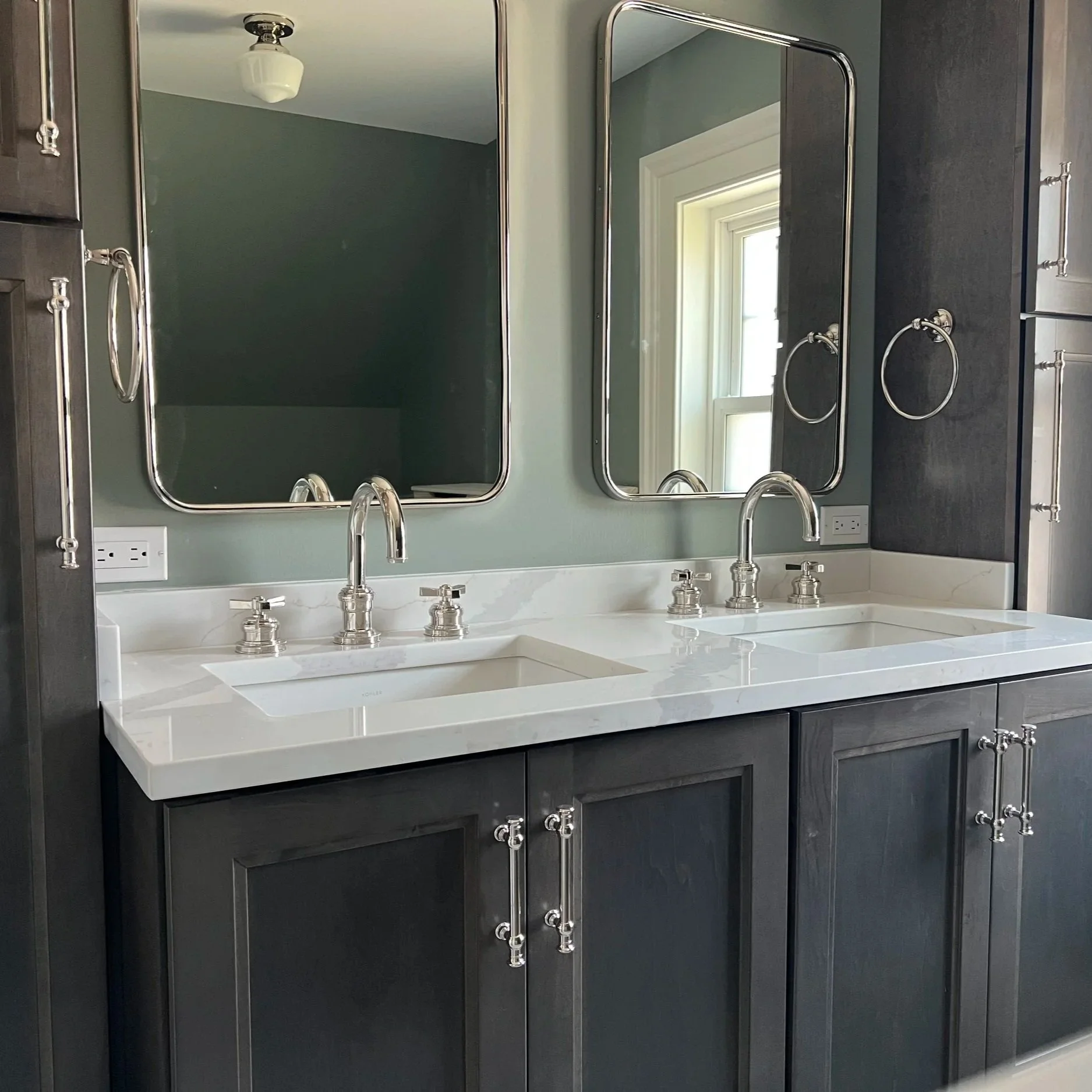
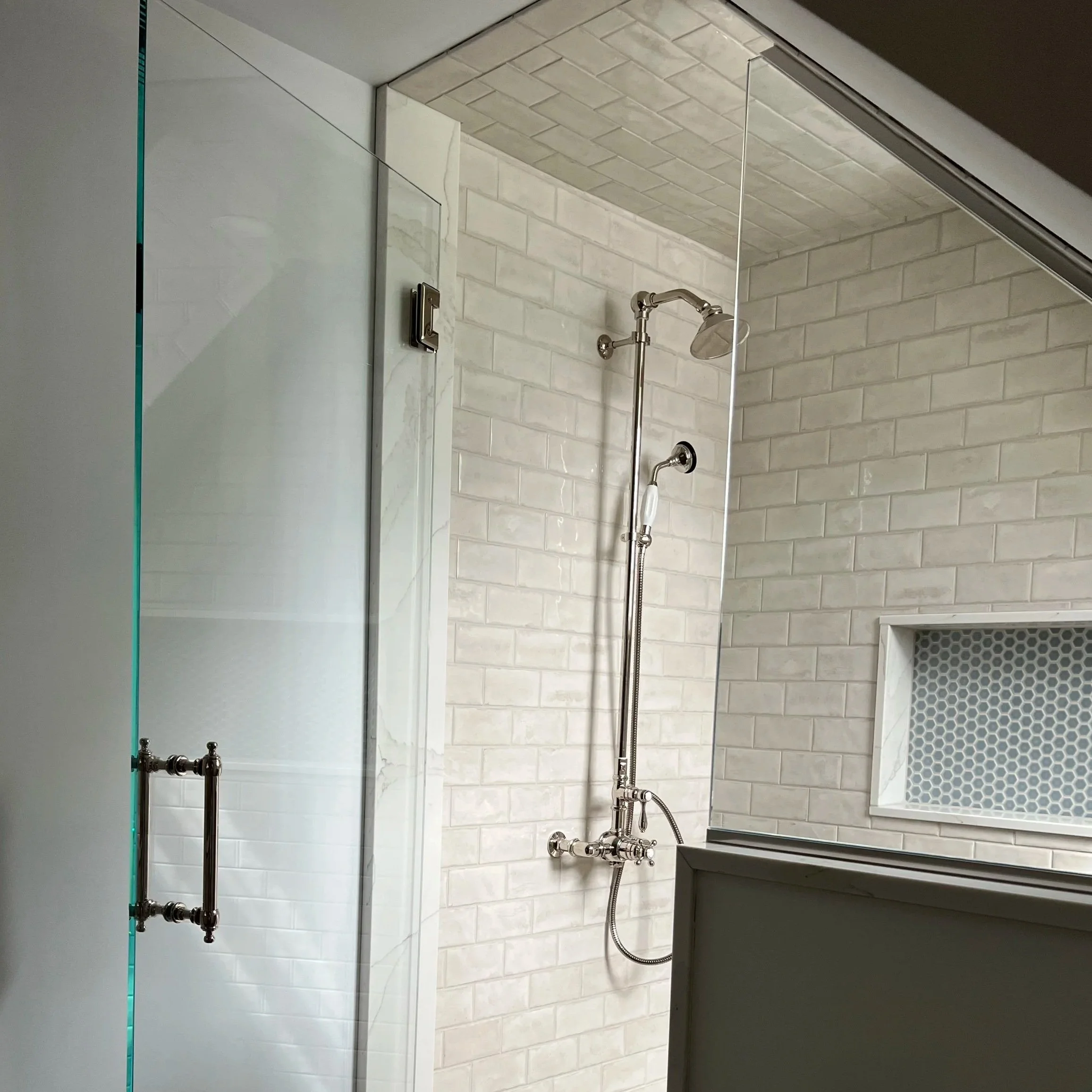
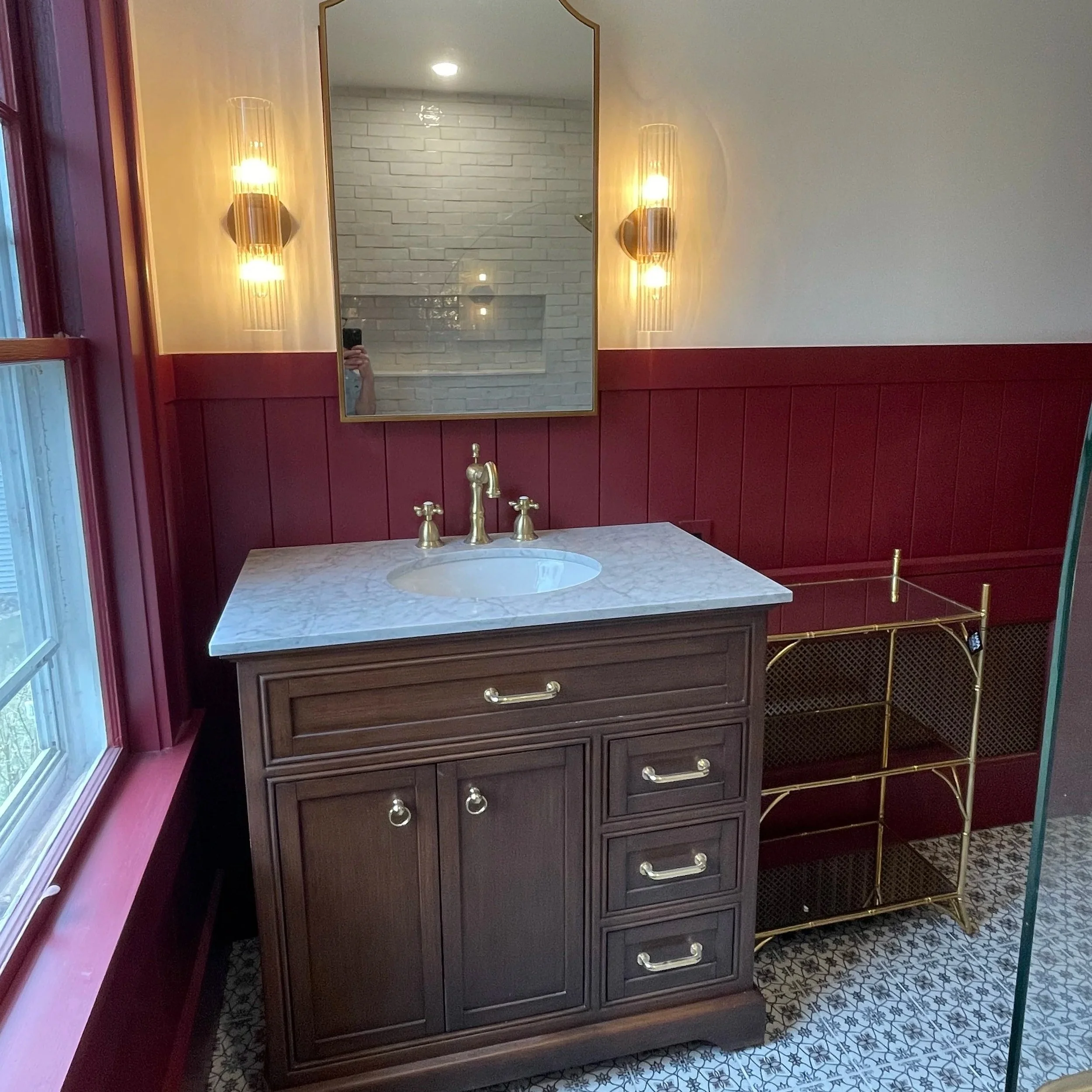
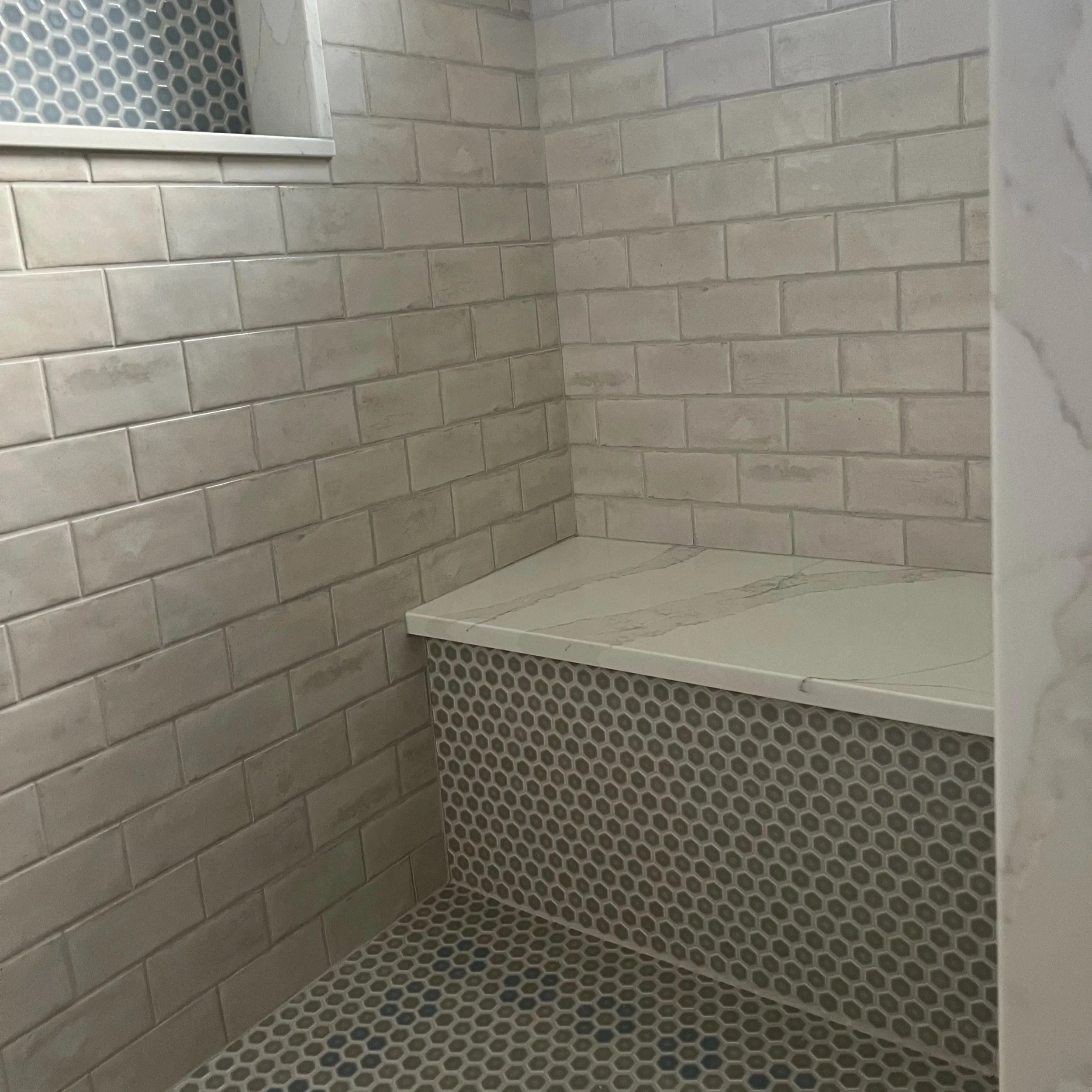
Most people assume the kitchen is the most complicated room to renovate. In many ways, they're right. But square foot by square foot, bathrooms may be even more demanding.
Behind every finished bathroom is an intricate network of plumbing supply lines, large drain lines, electrical work, lighting, framing, insulation, waterproofing systems, cabinetry, flooring, tile, trim, paint, heating, and ventilation. All of those systems have to work together — often within one of the smallest rooms in your home.
That's one reason bathrooms can surprise homeowners. They may only occupy fifty or sixty square feet, but they require an incredible amount of planning and coordination to build well.
At C. Cooper Construction, we've remodeled bathrooms in historic farmhouses, century-old homes, and newer construction throughout Central New York. Over time, we've learned something that has very little to do with tile or plumbing fixtures.
The bathrooms homeowners love most years later aren't necessarily the most expensive ones. They're the ones that were thoughtfully designed around the people who use them every day.
This guide isn't about chasing trends or convincing you that one style is better than another. Instead, it's designed to help you ask better questions before construction begins. Along the way, you'll find a few simple exercises to help you think through your routines, your priorities, and the way your family actually lives.
Because beautiful bathrooms don't begin with selecting finishes. They begin with understanding the people they're built for.
Start With the People, Not the Fixtures
Every bathroom tells a different story.
A primary suite serves a different purpose than the bathroom shared by young children. A guest powder room has different priorities than the bathroom four family members rely on every morning before work and school.
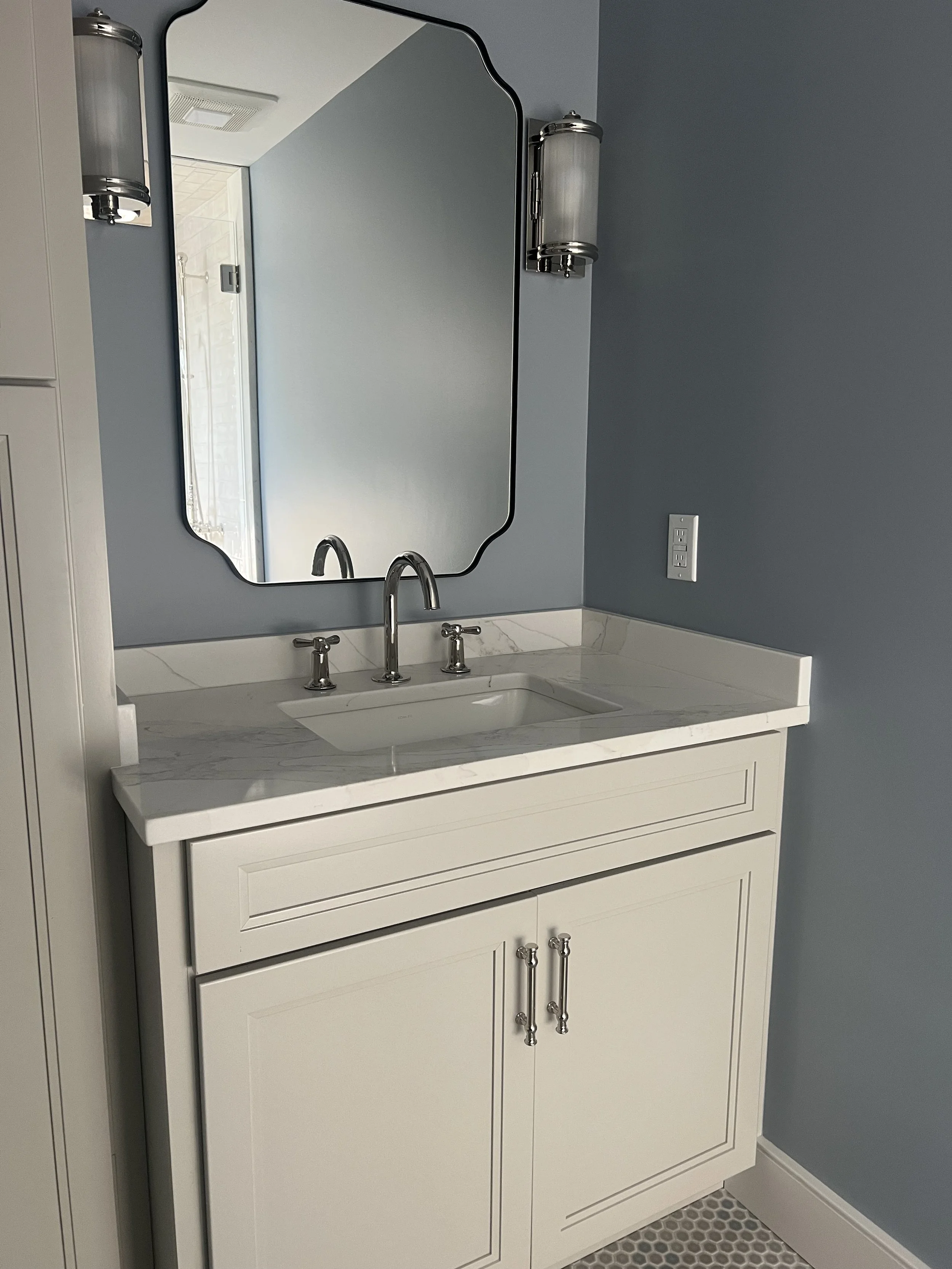
Yet many remodels begin with the same questions. What vanity do we want? What tile should we choose? What color should the cabinets be?
Those decisions matter, but they shouldn't come first. Instead, ask yourself: Who uses this bathroom?
The answer influences nearly every decision that follows.
A primary bathroom may prioritize comfort, generous storage, and a spacious shower.
A children's bathroom may benefit from durable materials, a bathtub, plenty of towel storage, and finishes that are easy to clean.
A guest bathroom may focus more on appearance while requiring relatively little storage.
An accessible bathroom may emphasize generous clearances, thoughtful lighting, and features that allow the space to adapt over time.
There isn't one perfect bathroom. There's only the bathroom that's right for your household.
Try This
Imagine this bathroom five years from now. Who will use it? Will toddlers become teenagers? Will children leave for college? Will aging parents visit more frequently? Will this become your forever home?
Designing for today is important. Designing with tomorrow in mind is even better.
Every Bathroom Starts With Constraints
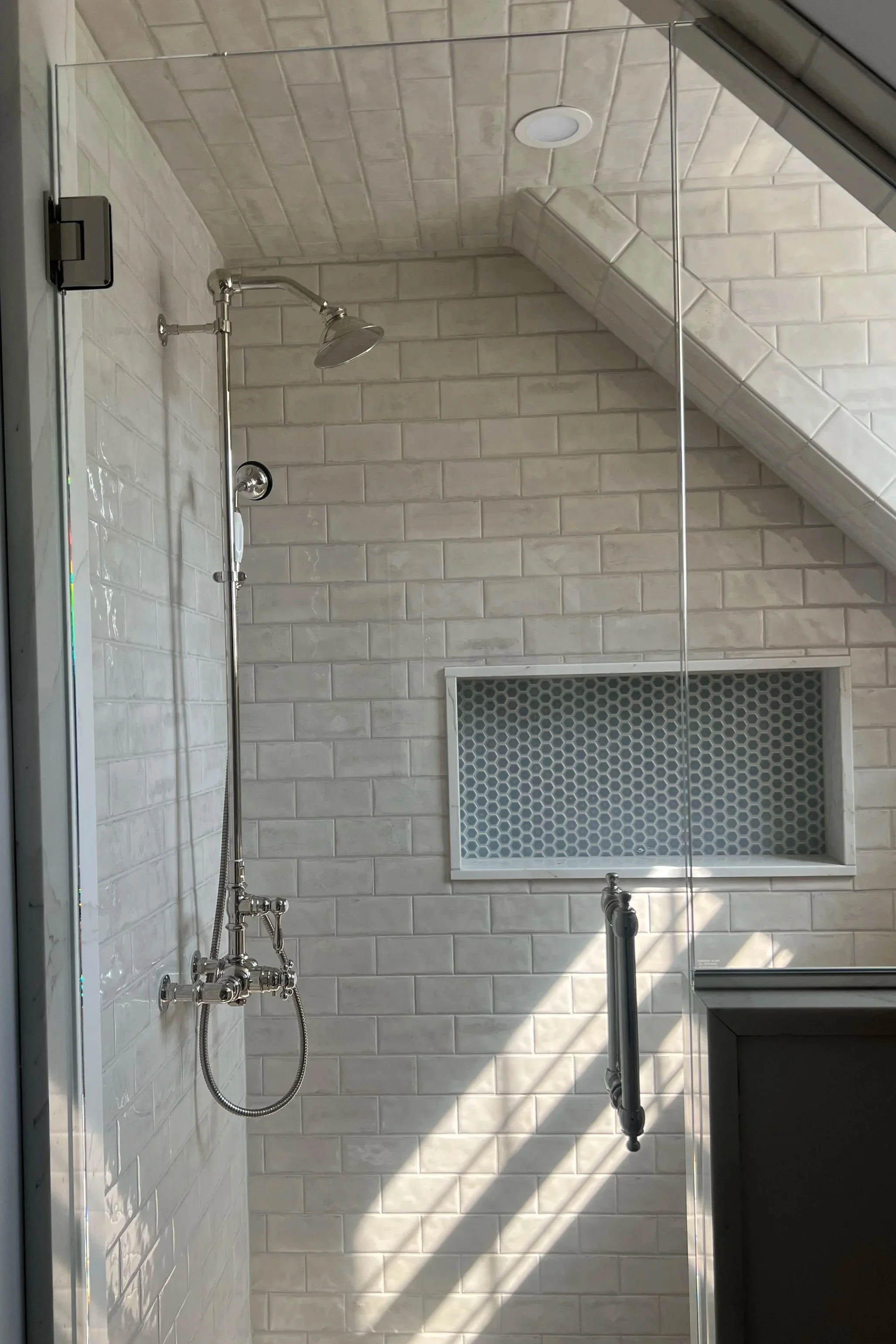
One of the first questions we hear is: "Can we just move the toilet over there?"
Sometimes the answer is yes. Sometimes it's possible but requires significant plumbing or structural work. Sometimes it simply isn't practical.
Bathrooms are unique because nearly every fixture connects to plumbing, and not all plumbing can move easily. Toilets require large drain lines with proper slope. Showers, tubs, and sinks all need carefully coordinated supply and drainage. Venting must be maintained, and existing framing often influences what's realistically possible.
This doesn't mean you shouldn't dream big. It simply means the best bathroom designs usually begin by understanding the home you're working with rather than fighting against it.
Especially in older homes, the smartest design decisions often balance creativity with practicality.
Walk Through Tomorrow Morning
Rather than thinking about your bathroom as a collection of fixtures, think about it as a series of routines. Close your eyes and imagine tomorrow morning.
You wake up. Where do your glasses sit overnight? Where does your phone go while you're getting ready? Where does your electric toothbrush charge?
You step into the shower. Can you reach the controls without getting sprayed by cold water? Where will your towel hang — can you reach it before dripping water across the floor? Where do shampoo bottles live? Would a built-in bench actually make your daily routine easier?
Then you get ready. Is there enough counter space? Where do your hair tools go while they're still warm? Will two people be trying to use the room at the same time?
Bathrooms work best when they're designed around everyday habits rather than idealized floor plans. The small moments matter.
From the Jobsite
Some of the happiest clients we've worked with aren't the ones who selected the most expensive finishes. They're the ones who no longer have to work around their bathroom every morning.
Storage Is More Than Cabinets
Bathrooms have an incredible ability to collect things. Extra towels. Hair dryers. Makeup. Medication. Cleaning supplies. Electric toothbrushes. Toilet paper. Children's bath toys. Skin care products.
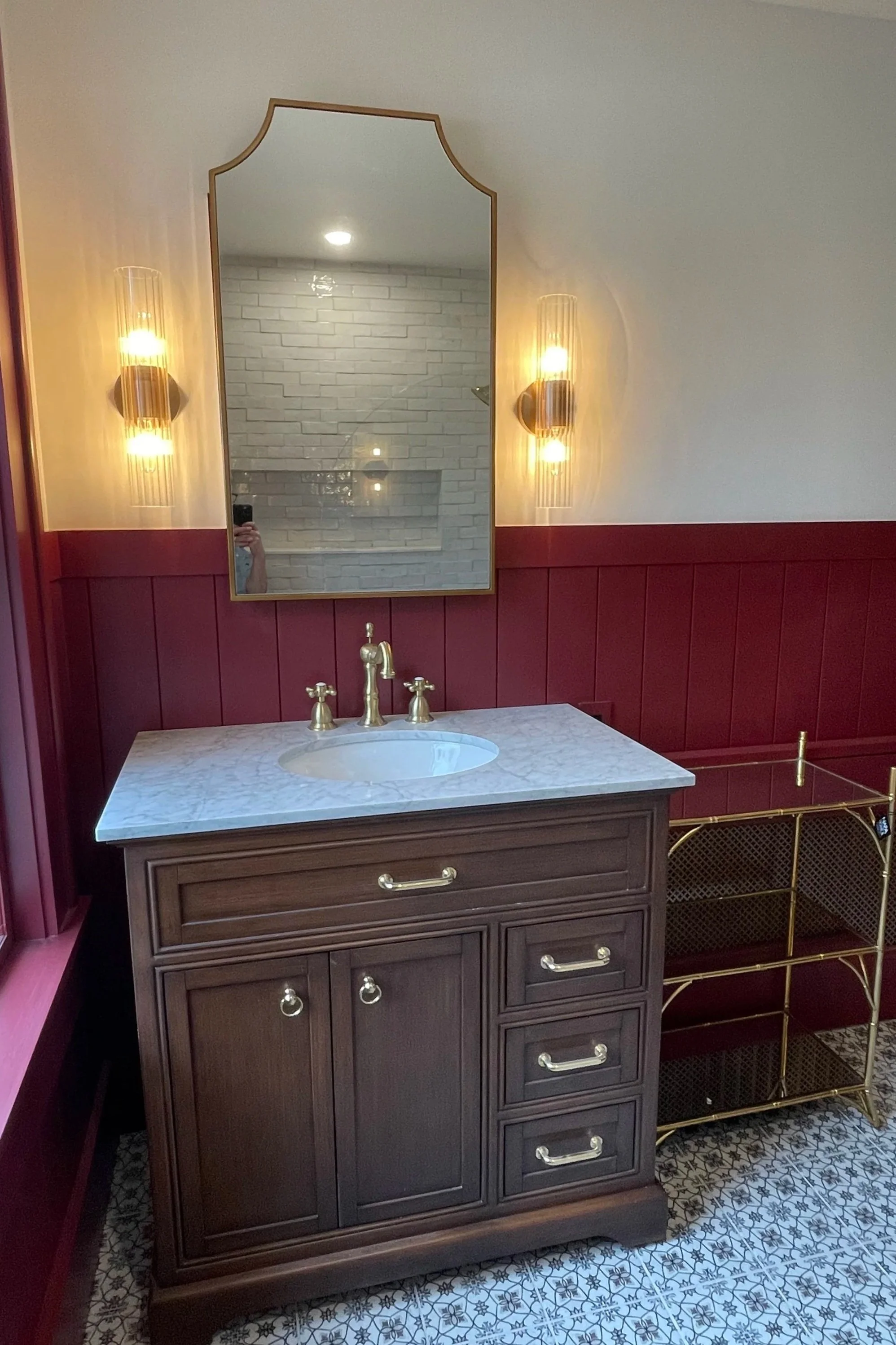
If these items don't have a designated place, they'll almost always find one on the countertop.
Instead of asking how large your vanity should be, ask a different question: What actually needs to live here?
You may discover that adding a linen cabinet, choosing deeper drawers, or incorporating a recessed medicine cabinet improves your everyday experience far more than another decorative feature.
Try This
Open every cabinet and drawer in your current bathroom. Write down everything inside. Now make a second list of everything that's always sitting out because there's nowhere else to put it.
Those are the items your new bathroom should be designed around.
From the Jobsite
We've remodeled beautiful bathrooms that had almost no storage. The tile was stunning. The vanity was custom. But extra toilet paper lived on the floor, towels were stacked on the toilet tank, and every countertop was cluttered.
Storage rarely steals the spotlight. But years later, it's often one of the features homeowners appreciate most.
Design the Shower Around the Experience
The shower often becomes the visual centerpiece of a bathroom. But the experience matters far more than the tile.
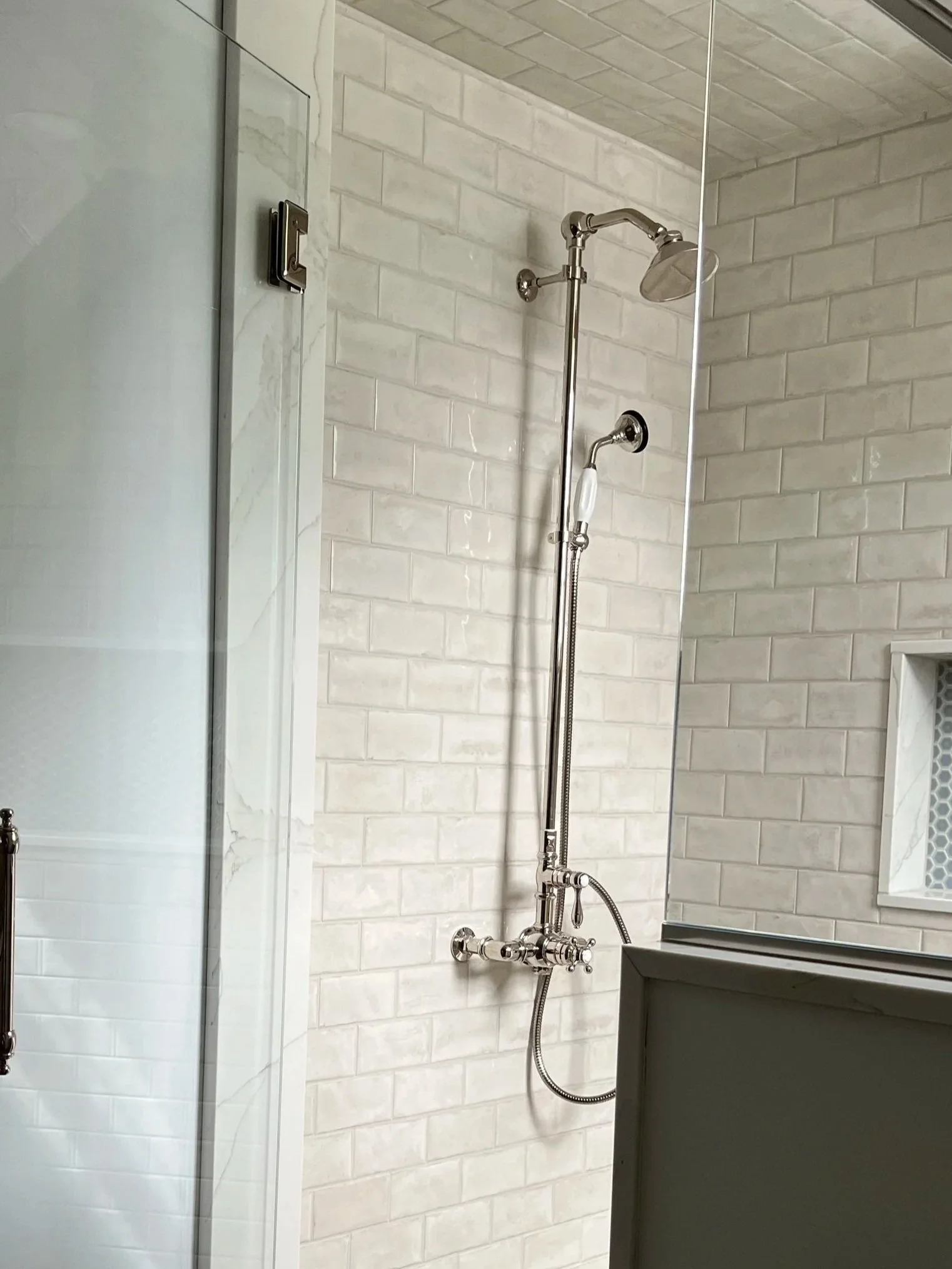
Ask yourself: How long are your typical showers? Do children use this shower? Will you bathe a dog here? Would a handheld showerhead make everyday life easier? Would a built-in bench actually be useful? Would one niche hold everything you need — or would two make more sense? How easy will it be to clean?
These questions determine many of the decisions made long before tile is installed. Framing establishes the shower's size. Plumbing determines where fixtures are located. Waterproofing protects everything hidden behind the finished walls. Drain placement affects both appearance and performance.
By the time tile is installed, many of the most important decisions have already been made.
From the Jobsite
One of the most common comments we hear after a remodel isn't, "I wish we'd chosen different tile." It's, "I wish we'd made the shower just a little bigger."
Even a few additional inches can make a remarkable difference in comfort.
The Details You'll Only Notice If They're Wrong
Bathrooms succeed because of dozens of small decisions.
Can you reach the shower controls without getting wet? Does the towel hook sit exactly where your hand naturally reaches? Will the vanity drawers hit the bathroom door? Can two people comfortably use the room together? Will the toilet paper holder actually be within reach? Where will the bath mat go? Can the medicine cabinet open fully? Will there be somewhere to set down your phone, jewelry, or glasses?
Individually, these details seem insignificant. Together, they're often what separates a bathroom that merely looks beautiful from one that's a pleasure to use every day.
Moisture Is the Bathroom's Greatest Challenge
Bathrooms are designed to get wet. The challenge is making sure only the places intended to get wet actually do.
Behind finished walls are framing, insulation, fasteners, and other building materials that need to remain dry for decades. That's why proper waterproofing, careful detailing, and effective ventilation matter so much.
These aren't the glamorous parts of a remodel. They're some of the most important.
A properly sized exhaust fan, used consistently, helps remove humidity before it becomes condensation. Well-executed waterproofing directs water where it belongs rather than allowing it to migrate into surrounding materials.
These systems disappear once construction is complete. Their value doesn't.
From the Jobsite
One thing we've never heard a homeowner say is, "I wish we'd spent less time thinking about waterproofing."
The work hidden behind finished walls is often what protects everything you'll see every day.
Lighting Shapes the Entire Room
Lighting influences how a bathroom feels just as much as the finishes you choose.
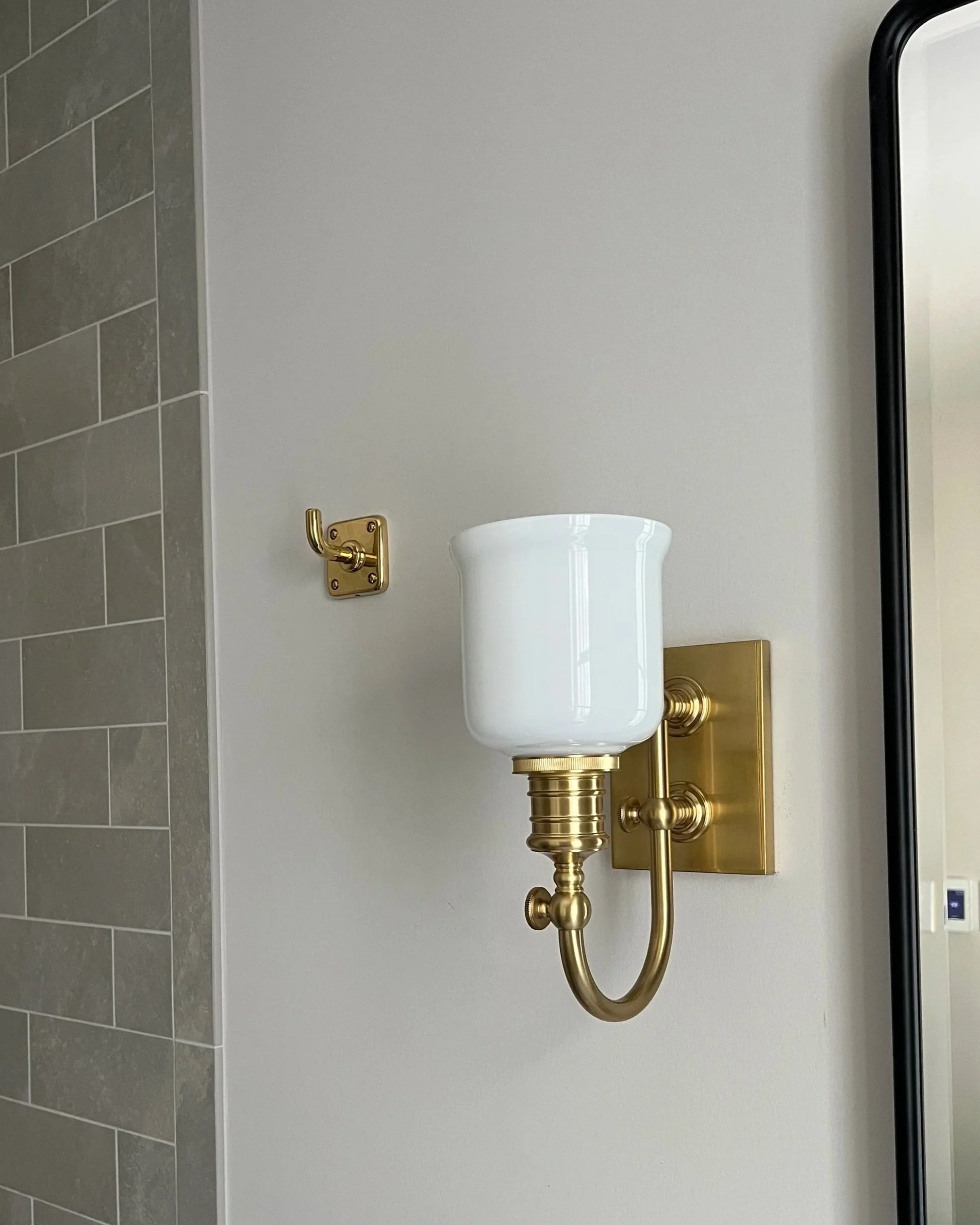
Natural light can make a room feel larger. Mirror lighting supports grooming tasks. General lighting provides even illumination throughout the room. Soft nighttime lighting can make late-night trips safer without fully waking the household.
Rather than relying on a single ceiling fixture, think about how different types of lighting support different moments throughout the day.
Think About Cleaning Before Choosing Materials
Every finish has a maintenance story.
Large-format tile often means fewer grout joints. Textured surfaces may collect more soap residue. Some plumbing finishes show fingerprints or water spots more readily than others. Frameless glass offers a clean appearance but may require more frequent cleaning depending on your water quality.
None of these are reasons to avoid a product. They're simply reminders to choose materials that fit the amount of maintenance you're realistically willing to do.
Try This
Ask yourself one honest question: "Five years from now, how much maintenance do I actually want this bathroom to require?"
Your answer should influence your selections just as much as appearance.
Older Homes Have Their Own Story
Many of the homes we renovate throughout Central New York were built decades — or even more than a century — ago.
That often means uneven floors, out-of-plumb walls, older framing methods, previous renovations, or plumbing that's been modified several times over the life of the house.
None of these are problems. They're simply part of understanding the history of the home.
Good planning leaves room for the unexpected. It allows challenges to become thoughtful design decisions instead of stressful surprises.
One of the things we enjoy most about working in older homes is finding ways to preserve their character while improving how they function for modern life.
Design for the Life You Haven't Lived Yet
It's easy to design for today. The challenge is designing for the years ahead.
Ask yourself: Could someone comfortably use this bathroom after knee surgery? Would it work while holding a toddler? Could an aging parent use it safely? Would a handheld showerhead make life easier? Should the walls be reinforced now so grab bars can be added later if they're ever needed?
Preparing for future flexibility doesn't mean your bathroom has to feel clinical. Often, it simply means making thoughtful decisions during construction that give you more options later.
There Isn't Always One Right Answer
Should every bathroom have a double vanity? Not necessarily. Should every shower be curbless? Not necessarily. Should everyone install heated floors? Not necessarily.
Every project involves trade-offs between budget, maintenance, priorities, and the way your family lives.
Our goal isn't to convince you that one solution is universally better. It's to help you discover which solution is better for you.
The right bathroom isn't determined by trends. It's determined by the people who use it.
One Final Thought
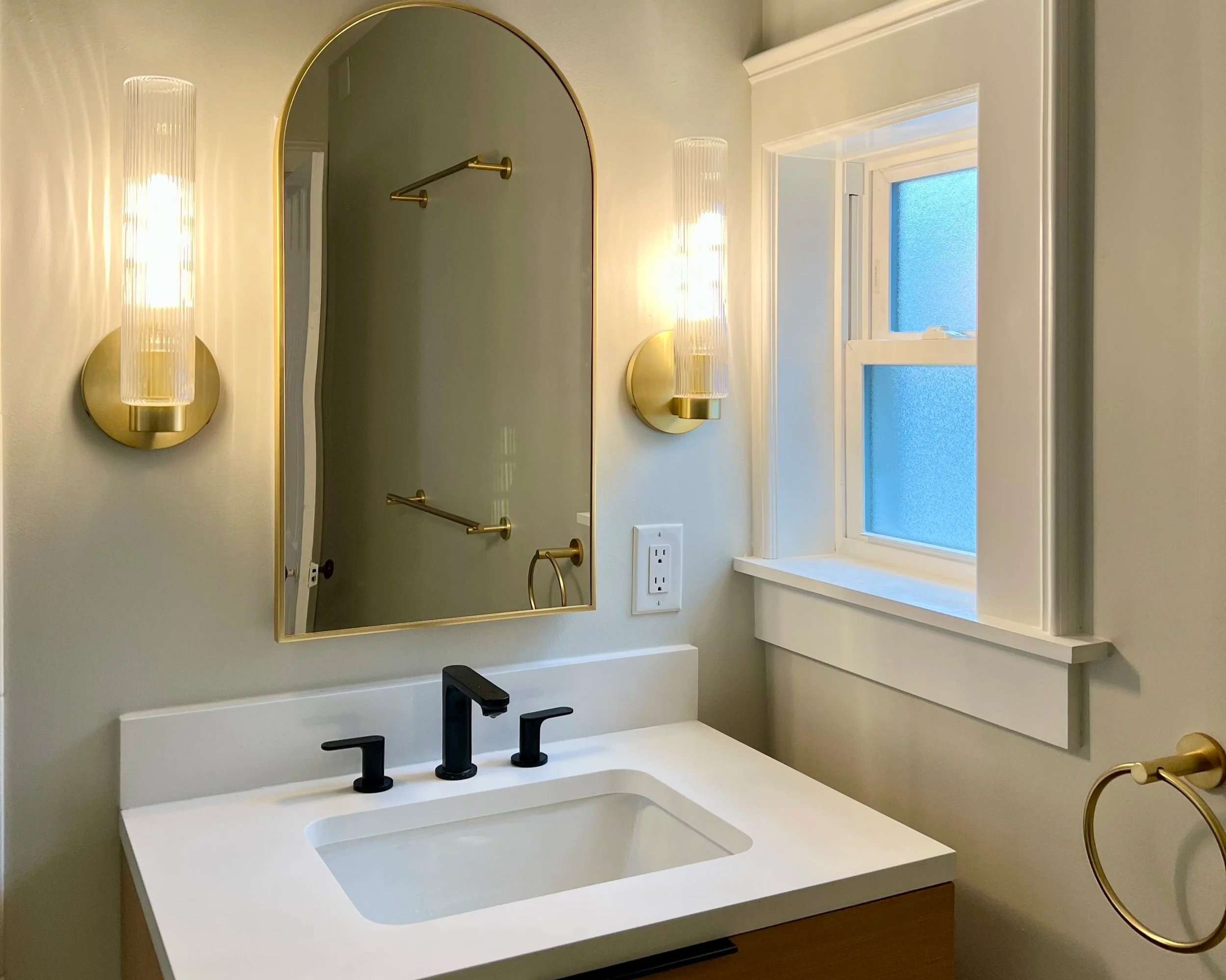
Bathrooms are deeply personal spaces. They're where mornings begin. Where long days come to an end. Where children splash in the bathtub. Where teenagers hurry to get ready for school. Where guests freshen up before dinner. Where someone may one day recover after surgery or simply appreciate a room that's easier to move through.
A thoughtfully designed bathroom quietly supports all of those moments without asking you to think much about it. That's what good design does. It disappears into everyday life.
If this guide encourages you to pause before making decisions — to observe your routines, ask better questions, and think more intentionally about how you live — then it's done exactly what we hoped it would.
Because the best bathroom isn't necessarily the one with the most expensive finishes. It's the one that still feels like it was designed just for you ten years from now.